When I was five years old, I was bitten by a bulldog in the yard of my parents’ veterinary hospital. My sister, in shock, ran inside. My mom then held me for dear life, struggling to prevent the dog from getting at me again and trying to loop a leash around its neck. It felt like hours passed as we screamed for help, but no one came. Suddenly, my first hero then emerged – she was a teacher at the kindergarten down the street. She had heard us screaming and ran barefoot up the hill between our two buildings, ignoring the risk of any pine needle or rock that might cause her discomfort, so she could help us. She became my hero that day. When I think about it now, almost thirteen years later, she gave no second thought to the situation, her only intention to help whoever was screaming; she didn’t even put her shoes on. I wish I knew her name so that I could thank her. My mom gave the teacher the leash which she held through the chain-link fence and ran inside with me, where my parents and their employees dressed my wound and proceeded to drive me to the emergency room. While waiting for the doctors, my neighbors brought me peanut butter and jelly sandwiches (I couldn’t eat them in case I needed surgery). They became my heroes too.
Just a few years later, I was walking around barefoot at the bottom of a waterfall when my foot slipped and a rock sliced a hefty cut into my big toe. Bleeding profusely into the water, I needed a little bit more than a bandaid. After struggling to find our family friend who had the first aid kit while my mom held my toe tightly with her hand, they were able to secure my wound (still bleeding extensively, unfortunately). Our family friend then proceeded to carry me up multiple flights of stairs to return to the trail, and my dad carried me over two miles on his back to the bus stop. On the bus, an old woman gave up her seat for us because the rest were taken. Our family friend, my father, and that woman also became my heroes that day.
It took me some time to realize it, but my mom is also one of my heroes. She will do anything to put my life before hers, whether it’s walking on the outer edge of a steep trail, or taking the outside edge of the sidewalk when we walk around our neighborhood – and I feel the same way about her. Not only will she risk her life for me, but she has been through a multitude of unpleasant experiences herself: she almost died after giving birth to me, was bitten on her face by a dog, suffered ligament tears in a ski accident that forced her into months of physical therapy, and has had more dislocated shoulders than I can count (she has had surgery by now, thank god). While suffering through bad experiences doesn’t always automatically make someone a hero, the way they deal with those experiences does. My mom’s strength through pain makes her a hero to me.
I was able to avoid further health-threatening injuries for a few years after the waterfall incident, but the journey into middle and high school introduced me to a new type of pain: depression. Searching for ways to heal the sadness within me, I did things that I will always regret. High school was better, as I found friends who distracted me from the pain I was feeling. I often wanted to let go, but I stayed for them. It wasn’t until I met Sebastian, who changed my life. Within a year of knowing him, I could already feel the sadness fading away. Now, after nearly two years of dating him, I am happier than I have ever been. While so many people were able to rescue me from physical pain, Sebastian saved me from myself.
It is evident that my heroes are real people who supported me in times of sorrow – even bringing me a sandwich in the hospital was still someone going out of their way to make me feel better. While I haven’t been in any severe incidents for a few years, I know that if anyone were to save me in the future, that they would be another hero of mine. Reading about people who perished while saving others is often gut-wrenching to me, and I know that I would want to be that person: the person who jumps in front of the bullet or storms the cockpit to save the lives of many.
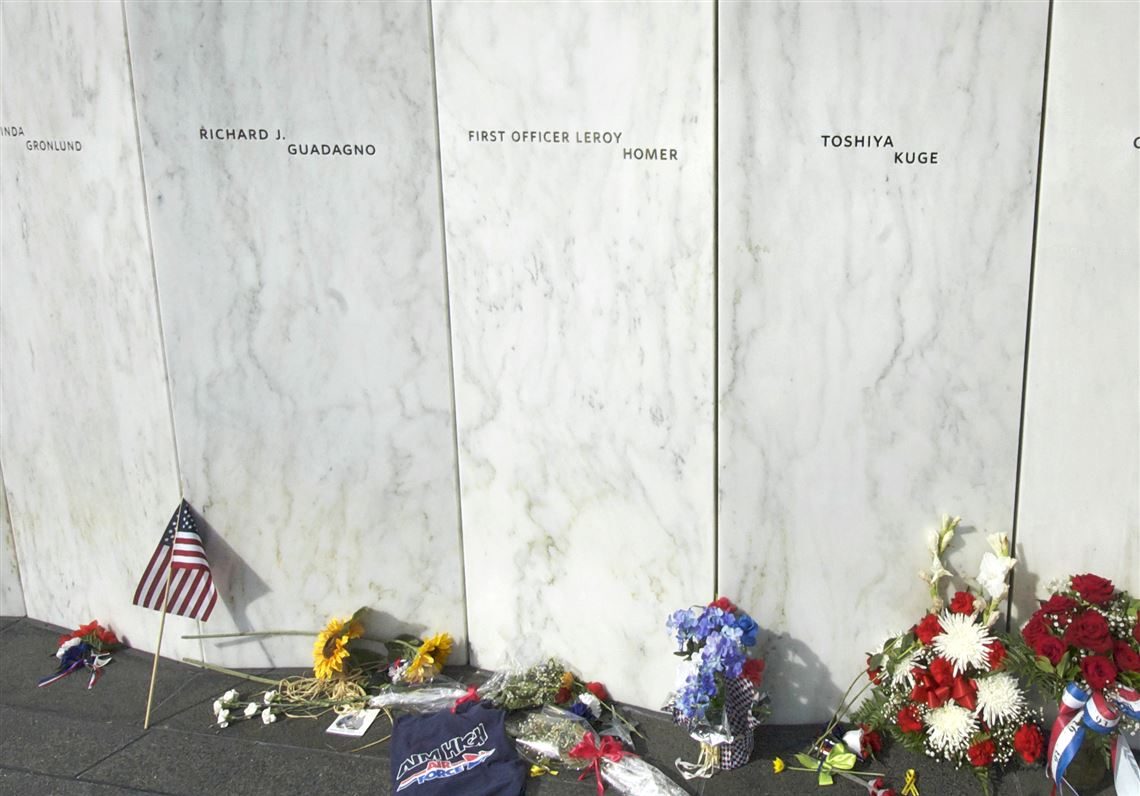
The Real Heroes are Dead, an article written by James B. Stewart in The New Yorker, explains that it is often the people who sacrifice themselves for others who are the real heroes; they don’t make it out alive. Rick Rescorla was one of these people – a Vietnam war veteran who rescued thousands of people from the collapsing buildings on 9/11, eventually succumbing himself. The first chapter of Heroes, by Allison and Goethals, makes a similar point: heroes are often people who make great sacrifices for the best of others, and in turn, face great suffering themselves. “The best heroes don’t just perform remarkably moral acts; they are willing to pay the ultimate price to do so,” (45, Allison and Goethals). While my own heroes are only people who I have interacted with and who have affected me personally, I have no doubts that those who have sacrificed themselves – whether it be Irena Sendler, the passengers of flight 93, marines who fight our wars, and many more – are heroes too, dead or alive.