
For this week’s blog post, I decided to combine my minute paper and my class discussion because both were very intriguing to me.
In Kristi Coulter’s article, “Giving Up Alcohol Opened My Eyes to the Infuriating Truth About Why Women Drink”, she analyzes the presence of alcohol in daily life and the nuances of its consumption that are dominating everything – from yoga and cooking classes to workplaces – and the idea that this has impeded the success of women.
I agree with Coulter, especially because I have experienced these alcoholic undertones throughout my life and especially now. I recently moved into an apartment right next to my university, and finally having a “college life” associates me with substances like alcohol that the article talks about. Much like the modern lives of women, college is inundated with alcoholic nuances and a general idea that life can only be fun when you’re under the influence; this is especially relevant in a time like this, where a pandemic is running rampant and stress levels are through the roof. And I don’t think it’s really anyone’s fault, but a corrupt, century-old system that has taught us that, as students, we simply need to avoid substances at all costs and just be sad and anxiety-ridden rather than provide us with solutions to the very problems that make us feel this way.
This article has allowed me to really reflect on my experience in the past week since I moved here; since I recently had surgery and can’t partake in certain ~college experiences~, I have really been allowed to sit back and watch the lives of my friends who depend on substances in order to be happy or “have a good time”. I remember that many of my peers in high school had the same mentality, and honestly, the only person who encouraged me to see partying in a different light, rather than condone constant substance consumption – the same way this article did – was my best friend who had family experiences with alcoholism. It’s really frustrating that, sometimes, the only people who aren’t heavy drinkers or drug users are the ones who were traumatized by it.
My school has, of course, provided us students with resources to prevent the use/overuse of alcohol and/or drugs, and while an online course may not prevent every single student from becoming addicted to certain substances, they are extremely helpful with bringing awareness to the effects of alcohol and drugs that students like to pretend don’t exist. I also like that rather than just telling us to avoid alcohol and/or drugs entirely, these courses taught us how to use these substances responsibly. So many parents miss the mark when educating their kids about substances because they see substance use as a case for punishment rather than education. My parents never punished me for these types of things because they knew it was destined to happen; however, I believe that their trust in my common sense and intelligence is what has made me more responsible when it comes to substance use.
It also doesn’t help that our parents drink so much. The suburban, predominantly white, high-middle class houses that we live in are decorated with quote signs demonstrating the need for alcohol in order to deal with annoying children and pets and lives and patronizing husbands. Much like Coulter’s article explained, the fun of life has been so drained that alcohol is a necessity in order for people to be satisfied. Is it so difficult to have dinner and talk with your friends without three glasses of wine to go with it? Especially in college, students feel such a need to drink and do drugs because they think it is essential and that everyone else is doing it. Like Coulter says: “There’s always one person who can’t deal if someone isn’t drinking.” People who choose not to drink are constantly bombarded with questions and a need for justification rather than the acceptance of a simple “I don’t want to”. People are so accustomed to substance use that they think there must be some crazy reason for not wanting to drink. I wish that my friends could just be happy without hurting themselves.
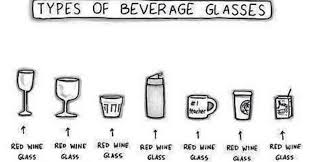
In the end, drinking or doing drugs doesn’t make you a bad or irresponsible person, even if you misuse them; the constant presence of these substances in our lives – and the use of them by the adults we look up to – makes the use of such substances just that much more inevitable. At the same time, encouraging therapy might be a good thing, too.