
Categories
CTW Blogs <3

Burning Out

I’ve decided to approach this week’s blog a little bit differently than usual, and I hope that’s okay. I couldn’t think of anything else to write.

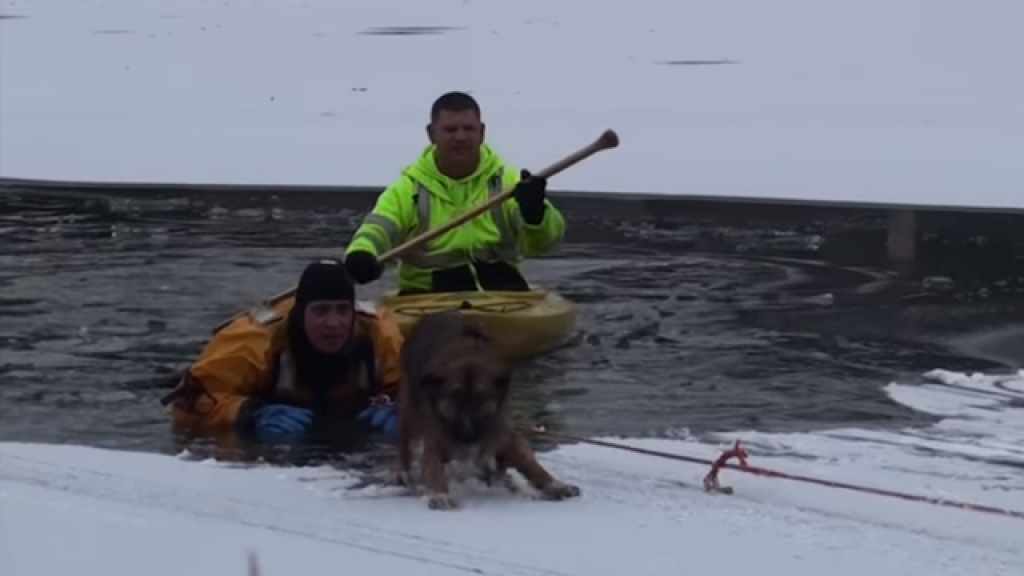
As you can predict from the featured image, I want to address academic burnout. It is week 8 of the winter quarter, and my motivation is at its worst. Every day, I watch sadly as my roommates and friends struggle to complete their mountains of assignments that keep piling up. Dirty dishes remain in the sink and laundry remains unwashed. I want to tell them that it’s okay and that if they try hard enough they can get their work done and get a high GPA for the quarter; there is no need to drown their sorrows in cheap liquor. But how can I convince them when I can barely convince myself?

I am a writer for SCU’s Her Campus magazine, and I wrote about stoicism in my most recent article. I wrote about how bullet journaling can help you forget negative emotions and encourage you to look toward the future. Honestly, I’ve been really struggling to maintain the stoic attitude that I encouraged in that article. Every day, it seems harder to get out of bed and do the work that I once looked forward to. I know that fatigue can have a largely negative effect on emotions, and I understand that I am not a failure.

“We all have these experiences, we stew over things, lose our temper, lose sleep over things… All this fretting is not going to solve anything,” said Shankar Vedantam in his podcast, Minimizing Pain, Maximizing Joy. As much as I wish I could maximize my joy right now, it is difficult to see the light at the end of the tunnel. Following my class registration, I at least have classes to look forward to now. I love art, so I’m excited about the basic painting class that I’m going to take with my roommate.

I know that life can be bland and hard at times; it has felt like that all the time lately. But I also know that there is so much to look forward to. As long as I let myself lose sleep over a few simple words, I will always be affected by negativity. The sooner I let things go and move on, the sooner I’ll be happy. I’m willing to do that.
Categories
CTW Blogs <3

Owl Problems

While analyzing sources for my upcoming research paper, I stumbled upon the scholarly article “Samaritanism and Civil Disobedience” by Candice Delmas. In this article, Delmas argues that civil disobedience when it comes to rescuing others is reasonably expected; she says, “We each have a responsibility to help rescue others when this assistance is not unreasonably costly,” (1). This means that Delmas believes in reasonable lawbreaking for the greater good of others, which I completely agree with.

I think that as long as one isn’t actually sacrificing their own life (I understand that many laws are made to prevent this), humans actually have a moral obligation to save others, even if it is not legal. For example, even though it’s illegal to speed, plenty of people will go 80 in a 40 if someone is dying in the passenger seat. And while that is somewhat morbid, it is the truth; there are not many limits to this if the welfare of others is a mentality you have been raised with. I grew up with this mentality, and I would nearly give my life for someone else if I did not know the consequences of my death.

This also made me think about the owl. About a year ago, I was driving home from my friend’s house when I noticed an owl standing in the middle of the road. I am a very attentive driver and understand why someone would miss it late at night, so, I slowed down, turned my flashers on, and tried my best to keep other drivers from hitting it.

I pondered for a few moments what my options were; my parents are veterinarians, so I have grown up with a slightly higher than average compassion for animals that others may not understand. Instead of giving up and leaving, I knew that I had to at least make an effort to save this owl. Would I wrap it in a blanket, try to bring it to the sidewalk, and let it fly away? Would I stop my car in the middle of the street to keep other cars from hitting it? After the fact, my parents reassured me that the owl could have injured me, or a car could have done worse. I still blamed myself for not acting sooner, and I blamed the other drivers for not seeing it in the road when the streetlights were dim and the distraction of life kept their minds occupied.

This was a moral conflict that affected me for a long time. I tend to blame myself for things that I am not even a little bit at fault for, and it often negatively affects my mental health. By now I realize that this is where the limits of good samaritanism come into play; any action I could’ve taken to prevent that owl’s death would have posed a danger to my own life, and that is something I had to accept as not being worth it. The owl now rests in that spot forever, and I don’t think I will ever forget it.

Discussions with my boyfriend and parents after the incident calmed my grief because they convinced me that it was not worth risking anything more to save an owl. It frustrates me that certain lives are valued as more worthy than others, even when mine is the higher valued one; but I know that the hierarchy of life has been established for a reason. For now, I will keep telling the owl how sorry I am when I drive past the location of its death, and I continue to hope that one day I can save more animals to make up for what has been lost.

People often act in selfless ways, risking their own lives for others. I hope that I can be that person one day.
Categories
CTW Blogs <3

Privilege Check

Not Sidney Poitier and the story of his escape to Atlanta has really allowed me to reflect on my white privilege. I am Not Sidney Poitier by Percival Everett avoids the white savior stereotype by giving Not Sidney the autonomy to make his own life and financial decisions even after his adoption by a white man, but Everett makes sure that his readers are far from comfortable by incorporating humor into subtle racist scenarios that occur once Not Sidney leaves home. One quote that really stood out to me from chapter 2 of I Am Not Sidney Poitier -after his escape from the jail bus- was:

“I carried the boy’s twenty-two rifle, mainly so no one else would,
but a bit of thinking made me realize how quickly the presence of
that weapon in my hands could get me killed, so I tossed it into the
brush just after we crossed the creek,” (Everett, pp. unknown).

Not only does this quote give evidence of Not Sidney’s fear of his own acquaintances (“mainly so no one else would”) and the horrifying yet true fact that black people carrying weapons are much more likely to be killed than white people doing the same thing. It’s no secret that racism is far from over in America and that it continues to contribute to the wrongful deaths of far too many people of color.

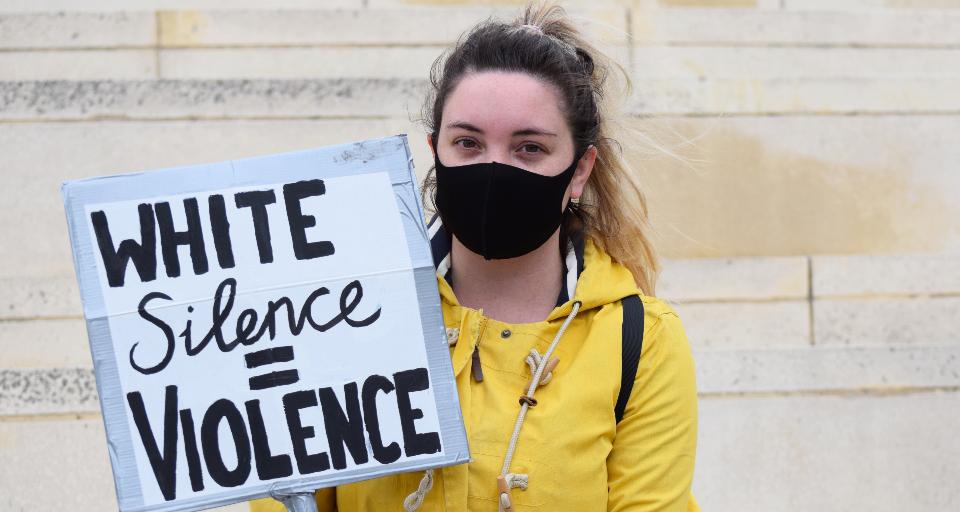
Twelve years later, since this book’s publication in 2009, almost nothing has changed. People continue to be killed for the color of their skin and their killers continue to feel no regret for their actions. Everett makes sure that the racism Not Sidney faces makes his readers uncomfortable, and we should be; white silence is violence, and we must continue to speak out against injustice.

Categories
CTW Blogs <3

A Drive For Love

Ryan Gosling. A blonde woman. An elevator. A man with a gun. What do these things have in common? They are all components of the violent yet lovely scene of the movie, Drive, that we watched for the class activity. I haven’t seen this film before, but the scene really stood out to me and reminded me what love feels like; the surreality of being alone with the love of your life and feeling as though nothing else exists. The head bashing, on the other hand, was a separate experience.

As Ryan Gosling sees the antagonist’s gun from a flash under his jacket, the camera slowly zooms in on his arm pushing his loved one to the wall. They engage in a passionate embrace, Ryan’s body language showing his hesitance to pull away. Despite his love for her, he knows that he must kill this man to protect her. He knows that the violent murder he will soon commit will prevent her from seeing him in the same way ever again, but his love for her is too strong not to protect her. The sublime can only be experienced alone, and being with someone you love so dearly still counts as being alone. The golden hue that surrounds Ryan and his blonde counterpart as the music slows exemplifies the final sublime feeling that radiates between two lovers, before he must say goodbye to her forever.

I was lucky enough to have fallen in love in high school; and while high school love is often seen as taboo or fake, I truly believe that I got to experience, true, deep, love, and I will forever be grateful for that. We took a break from our relationship since I moved to college, and I would do anything to be in his arms once again; to feel the love that radiated between us with a simple touch or hug or smile. Being alone with him gave me the same feeling that was exhibited in that scene; the feeling that there are no worries in the world, no tasks or requirements, no outside pressures or stresses.

Love isn’t perfect, and even I know that as a young, naive college student. Just like Ryan’s character knows in Drive, love can’t always last the way you want it to; and protecting those you love is often more important than them loving you back. This causes a world of hurt, of course, but knowing that those you value are safe often makes up for the pain. I know that he can be happy without me, and I wouldn’t want us to struggle through an unreliable relationship while knowing how much happier we would be if we had ended it. My heart will always miss him, but my head knows that I will find him again if it is meant to be.

And because the scene has no words spoken in it, I leave you with this quote, which I feel exemplifies what love really is:

“Such a wonderful thought to have, that we both managed to exist at exactly the same time. I will look for you in another life.”

Sincerely, Alex

Categories
CTW Blogs <3

The Avengers Are, Technically, Murderers

While obtaining data for the data analysis assignment, I realized that Marvel’s Avengers series is full of murder. Upon greater inspection, those movies are notably violent considering their fan base consists of many young people. The violence of these films really makes you think about morals and what it takes to hurt others, and what actions are acceptable if they are performed for the better interest of the most people.

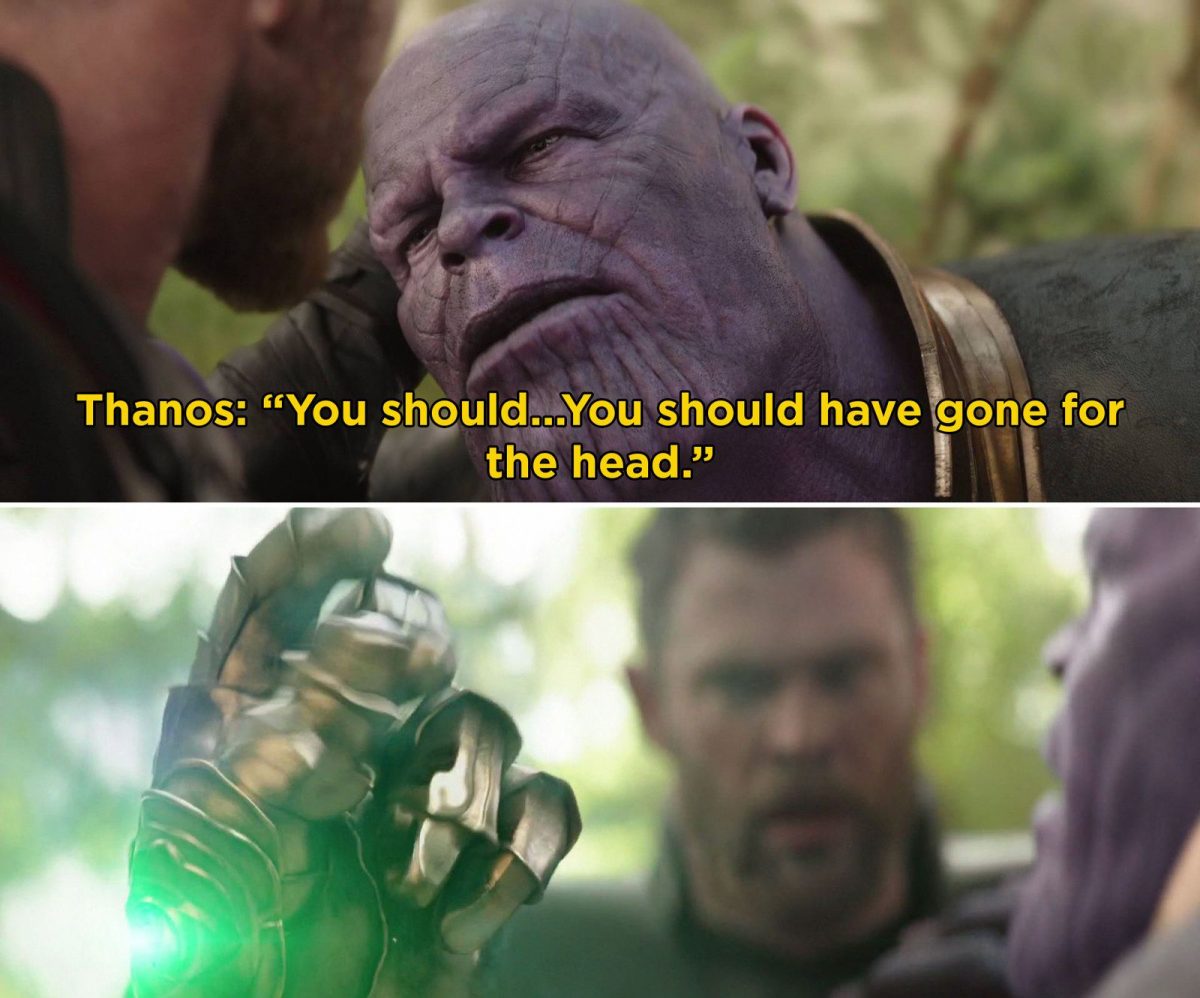
For example, when killing Thanos in Endgame, Thor says “I went for the head,” (Endgame) and cuts his head off with an ax. For context, he makes this somewhat disturbing statement because when Thanos snapped half of the world out of existence, he told Thor that he should have gone for the head when hitting him with his ax.

Of course, the difference between a superhero and a villain on the subject of murdering someone is their intent, and that is what I think about often. Murder may never be fair or just, but sometimes it is the only option to save the world. Villains like to murder for fun, while superheroes murder out of necessity. What makes the murder in the case of a superhero still morally correct is their purpose, which is easy to understand.

The moral of the story is that breaking the law, which I will be researching in my paper this quarter, can often be seen in not only a justifiable light but a morally good one. But, murderers with fancy names are still murderers; they’re just looked up to by more people.

Categories
CTW Blogs <3

Mad Max and the Defeat of Tyranny

Today is the day… Inauguration day! We did it – we defeated the tyrant, using our bravery and perseverance to fight for… another old man. At least he is nice. Joe Biden is probably the best thing to happen to America in the past 10 months; so, I will connect the inauguration to Mad Max: Fury Road and the defeat of tyranny.

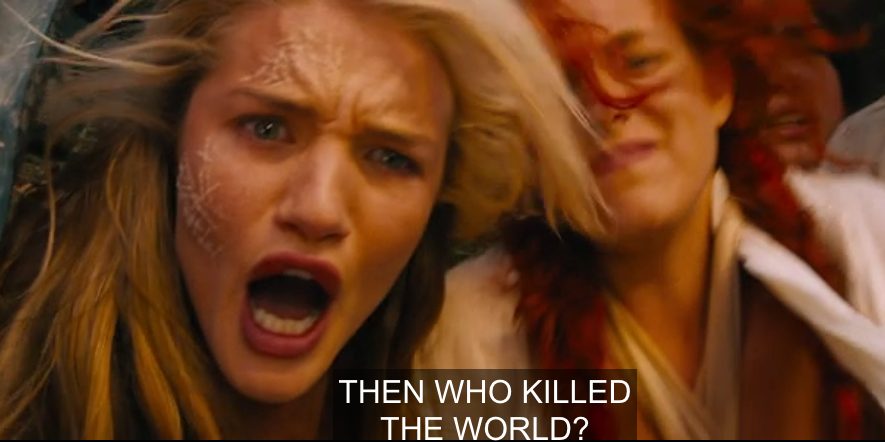
The world we currently live in could honestly be compared to the apocalyptic wasteland; as Angharad screams “Then who killed the world” as she pushes Nux to his death, I can’t help but think of our own earth. Just yesterday, we had a president who abused his power and a country ravaged by a pandemic, millions dead from a virus that should’ve been defeated from the second it began. Today, many parts of our situation remain the unfortunately the same, but this historical day leaves us with hope on the horizon.

Just like in Mad Max, we didn’t get this easy – we had to fight tooth and nail to make such an achievement. While not many of us were tied to the front of a war machine with a metal muzzle attached to our faces, we were oppressed in different ways; we had to march and scream and struggle in order to not be stepped on and knelt on and shot and killed. Don’t get me wrong, our country is still overwhelmed by problems almost too big to solve; but we can be content now that a better, more compassionate, more peaceful person is our commander.

As close as he got, it won’t be Donald Trump who killed the world.

Let’s salute and keep fighting.

Categories
CTW Blogs <3

Drinking Too Much

For this week’s blog post, I decided to combine my minute paper and my class discussion because both were very intriguing to me.

In Kristi Coulter’s article, “Giving Up Alcohol Opened My Eyes to the Infuriating Truth About Why Women Drink”, she analyzes the presence of alcohol in daily life and the nuances of its consumption that are dominating everything – from yoga and cooking classes to workplaces – and the idea that this has impeded the success of women.

I agree with Coulter, especially because I have experienced these alcoholic undertones throughout my life and especially now. I recently moved into an apartment right next to my university, and finally having a “college life” associates me with substances like alcohol that the article talks about. Much like the modern lives of women, college is inundated with alcoholic nuances and a general idea that life can only be fun when you’re under the influence; this is especially relevant in a time like this, where a pandemic is running rampant and stress levels are through the roof. And I don’t think it’s really anyone’s fault, but a corrupt, century-old system that has taught us that, as students, we simply need to avoid substances at all costs and just be sad and anxiety-ridden rather than provide us with solutions to the very problems that make us feel this way.

This article has allowed me to really reflect on my experience in the past week since I moved here; since I recently had surgery and can’t partake in certain ~college experiences~, I have really been allowed to sit back and watch the lives of my friends who depend on substances in order to be happy or “have a good time”. I remember that many of my peers in high school had the same mentality, and honestly, the only person who encouraged me to see partying in a different light, rather than condone constant substance consumption – the same way this article did – was my best friend who had family experiences with alcoholism. It’s really frustrating that, sometimes, the only people who aren’t heavy drinkers or drug users are the ones who were traumatized by it. 

My school has, of course, provided us students with resources to prevent the use/overuse of alcohol and/or drugs, and while an online course may not prevent every single student from becoming addicted to certain substances, they are extremely helpful with bringing awareness to the effects of alcohol and drugs that students like to pretend don’t exist. I also like that rather than just telling us to avoid alcohol and/or drugs entirely, these courses taught us how to use these substances responsibly. So many parents miss the mark when educating their kids about substances because they see substance use as a case for punishment rather than education. My parents never punished me for these types of things because they knew it was destined to happen; however, I believe that their trust in my common sense and intelligence is what has made me more responsible when it comes to substance use.

It also doesn’t help that our parents drink so much. The suburban, predominantly white, high-middle class houses that we live in are decorated with quote signs demonstrating the need for alcohol in order to deal with annoying children and pets and lives and patronizing husbands. Much like Coulter’s article explained, the fun of life has been so drained that alcohol is a necessity in order for people to be satisfied. Is it so difficult to have dinner and talk with your friends without three glasses of wine to go with it? Especially in college, students feel such a need to drink and do drugs because they think it is essential and that everyone else is doing it. Like Coulter says: “There’s always one person who can’t deal if someone isn’t drinking.” People who choose not to drink are constantly bombarded with questions and a need for justification rather than the acceptance of a simple “I don’t want to”. People are so accustomed to substance use that they think there must be some crazy reason for not wanting to drink. I wish that my friends could just be happy without hurting themselves.

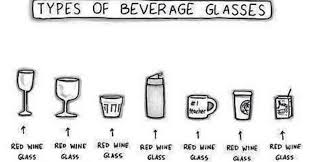
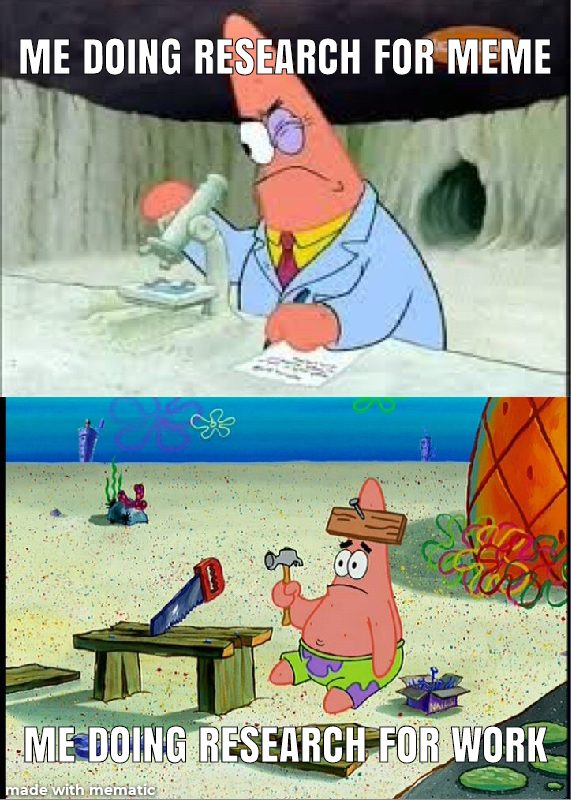
These types of memes are part of the problem and are much like the decorative signs in suburban, white homes; they promote the mentality that alcohol must be consumed in order to have a better life.

In the end, drinking or doing drugs doesn’t make you a bad or irresponsible person, even if you misuse them; the constant presence of these substances in our lives – and the use of them by the adults we look up to – makes the use of such substances just that much more inevitable. At the same time, encouraging therapy might be a good thing, too. 

Categories
CTW Blogs <3

I Hate(d) Research

If I’m honest, hearing that we had a quarter-long research project in CTW 2 made my brain seize up a little – I’m not a huge fan of reading articles and having to answer questions that I don’t already have a good amount of knowledge about. However, after this week’s readings, I realize that I am actually very excited about this research paper and can’t wait to explore possible topics.

I will begin by explaining my quick change of heart; first of all, in The Craft of Research, Chapter 1, I realized that I actually LOVE to do research, and I do it every single day: “We all do that kind of research every day, and though we rarely write it up, we rely on those who write up theirs…” (Craft, 10). I research true crime, the lives of actors, and Coronavirus vaccines; I research cat breeds, exercises for toned muscles, and cake recipes. Now that I’m thinking about it, just yesterday I consulted Google during a debate with my mother (she won, as she is a veterinarian) about what color our Siamese cat is, and if he is a purebred (he isn’t). Knowing that research includes the simplest questions – whether I just want to know the age of an actor in a movie that I’m watching or I’m curious about what table salt is made of – makes constructing a research paper seem much less tormenting.

I will add that research papers are not something I have produced a lot throughout my education experience, most of my writing being argumentative; I’m so accustomed to having to prove a certain point that I’ve almost lost my ability to view alternative perspectives when I write. So, I am excited to use this paper as an opportunity to broaden my knowledge of a subject that I am passionate about; what that is, I’m not sure yet. I will find out soon.

Categories
CTW Blogs <3

Guitar Hero

Heroes are often imagined as strong, cape-wearing, magic-conducting superhumans who save the world from disaster. However, among analysis, heroes are actually much more than that. Whether friends, family members, or strangers, heroes can come in all shapes in sizes and are born from many different situations. For example, my hero is my best friend, Sebastian. Sebastian is a hero to me because he exhibits traits that I consider to be heroic and many more values that allow him to improve the lives of others and myself; while he hasn’t physically rescued anyone, he has definitely saved lives.

Sebastian is courageous, standing up to people who are doing wrong; he is selfless, constantly coming to the aid of others even if it is not good for him; and he is skillful, whether in academics, giving advice, or while shredding the guitar. Sebastian is also so much more than that. He is a thoughtful, motivating person who looks out for others before himself.  I think that is what makes him a hero, too – he motivates everyone around him to be better, the way athletes and celebrities encourage their fans.

Despite having experienced his own share of tragedy, Sebastian never lets that hold him back from helping others; he is an extremely supportive friend and even reaches out to strangers when they are in need. And, even more heroic, is that he doesn’t ask for anything in return. He feels happy if others are happy, and for him, that is a prize in itself. Even on days where you’re already content, he has his ways of making life even better. Much like the definition of a hero, he hasn’t let sadness make him angry – he just appreciates life even more and helps others appreciate their own. I have had my fair share of bloody accidents but my head has hurt after crying even more than that, and that’s a guarantee. Once I met Sebastian, he gave me a light at the end of the tunnel and changed my perspective of life itself – and he has done this for many more than myself.

Furthermore, Sebastian is also a hero because of his honesty, support, and trustworthiness that allows others to constantly confide in him. He hasn’t necessarily saved anyone from incoming traffic or otherwise physically rescued them, but he has a special ability to dull the pain that people feel inside, giving them an outlet to express it – a safe space to voice their feelings without judgment. He is a selfless, courageous human being who has been driven to help others with empathy and compassion after experiencing tragedy himself. Heroes aren’t only the people rescue kittens from burning houses or sacrifice their lives for others – they’re also the caring, selfless people who save us in different ways.

The simple yet selfless act of being there for someone is heroic and can even save their life.

Works Cited:

Knorr, Caroline. “How to Protect Kids’ Mental Health During the Pandemic.” Common Sense Media: Ratings, Reviews, and Advice, Common Sense Media, 15 Apr. 2020, www.commonsensemedia.org/blog/how-to-protect-kids-mental-health-during-the-pandemic.

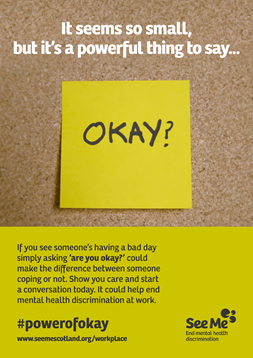
“See Me Is Scotland’s Programme to Tackle Mental Health Stigma and Discrimination.” See Me | Power of Okay, www.seemescotland.org/resources/campaign-resources/power-of-okay/.

Categories
CTW Blogs <3

Let’s Not Lose Any More

This campaign provided my group members and me with a great opportunity to educate ourselves and our peers on a topic that many may not have known about before. Economic euthanasia is a worldwide issue and cannot be changed overnight; however, educating others is the first step to making a difference, as problems cannot be solved without first admitting that they exist. Personally, I think our campaign went very well. First, for the SCU-focused campaign, we shared a survey for our groups of friends and extracurricular groups at SCU to complete.

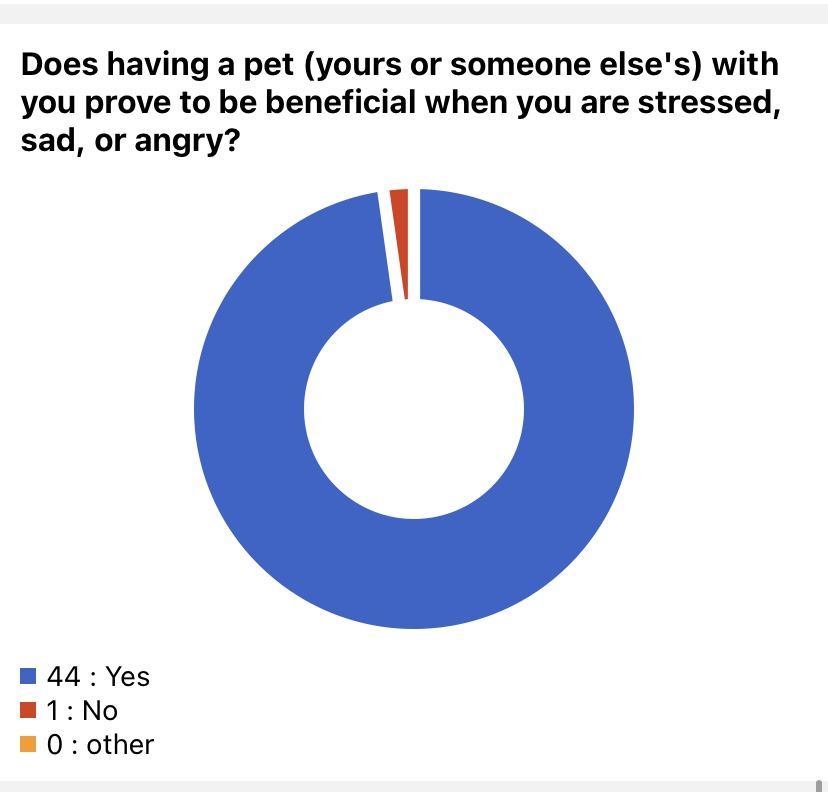
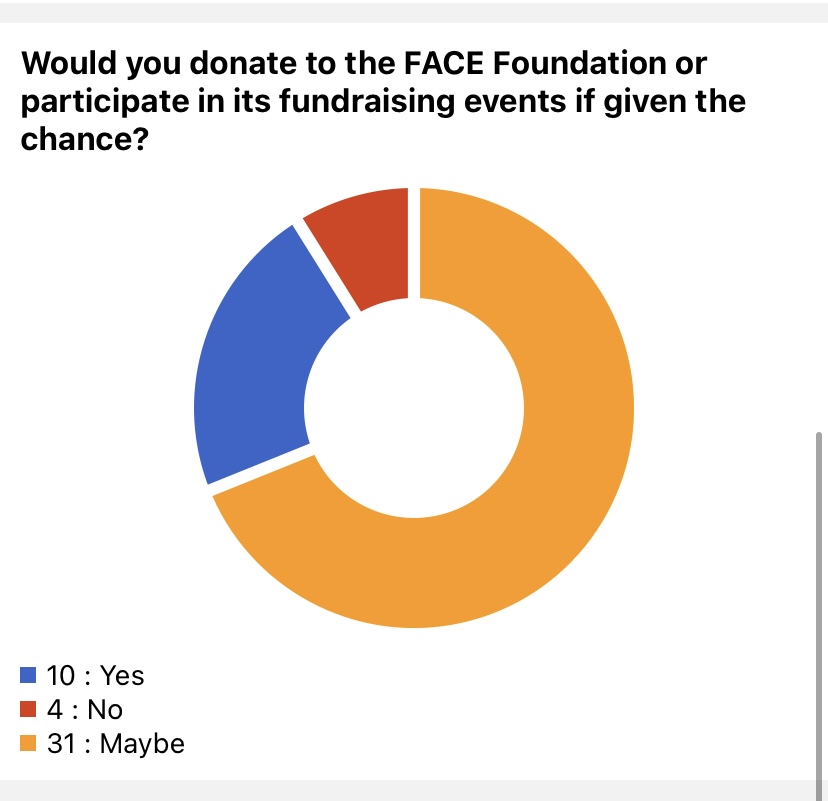
The SCU-focused survey consisted of questions about service animals, the mission of the FACE Foundation, and the ability of pets to help their owners in times of emotional stress. We garnered 45 responses, which was more than we expected and allowed us to trust the results of the survey based on statistical principles. Out of the 45 people surveyed, 44 said that their pets help them feel less stressed or angry, and 31 said they would possibly donate to FACE if given the chance while 10 said they would definitely donate to FACE if given the opportunity. While I cannot speak to each individual person who completed the survey and ask about their perception of it, I had a few friends message me to tell me that they appreciated the efforts of the organization and how much they love their pets. This was touching and made me feel like my efforts in this campaign paid off.

Nearly all respondents noted that pets help them when they are doing badly emotionally.
Most respondents noted that they would possibly donate to the foundation if given the chance.

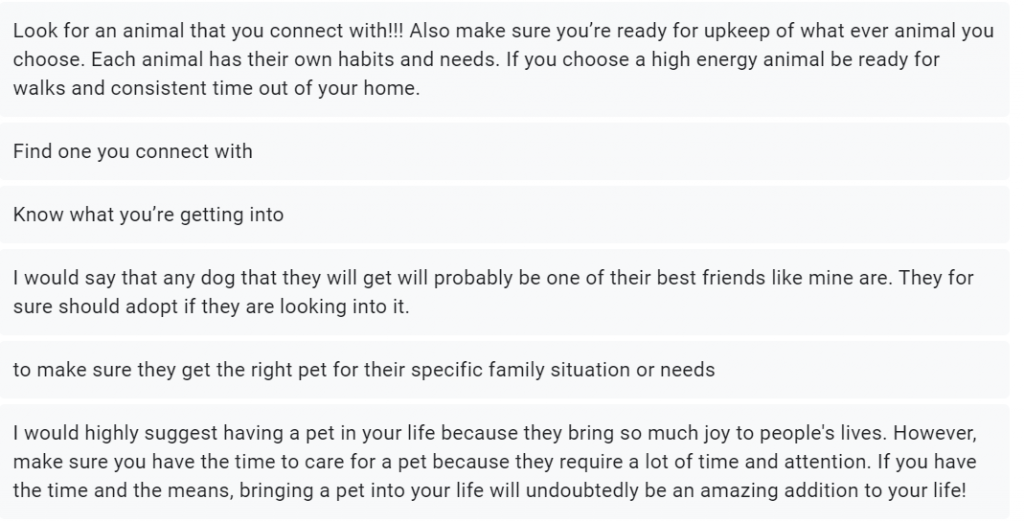
At the end of the survey, we asked a question which allowed participants to fill in a response: “If you own a pet, what advice would you give to people looking to adopt?” We received many thoughtful answers to this question: -“Make sure you do research on what type of pet you are going to adopt and that you can take care of all its needs the best you can. do not go into it blindly.” -“I would highly suggest having a pet in your life because they bring so much joy to people’s lives. However, make sure you have the time to care for a pet because they require a lot of time and attention. If you have the time and the means, bringing a pet into your life will undoubtedly be an amazing addition to your life!

These two responses really embodied the purpose of the campaign; a significant contributor to the issue of economic euthanasia is the failure to realize the commitment and responsibility required to raise a pet. Knowing that college students who will likely adopt pets soon in the future are aware of these responsibilities is reassuring and FACE’s programs can only expand this awareness.

These are some of the thoughtful responses to the survey question.

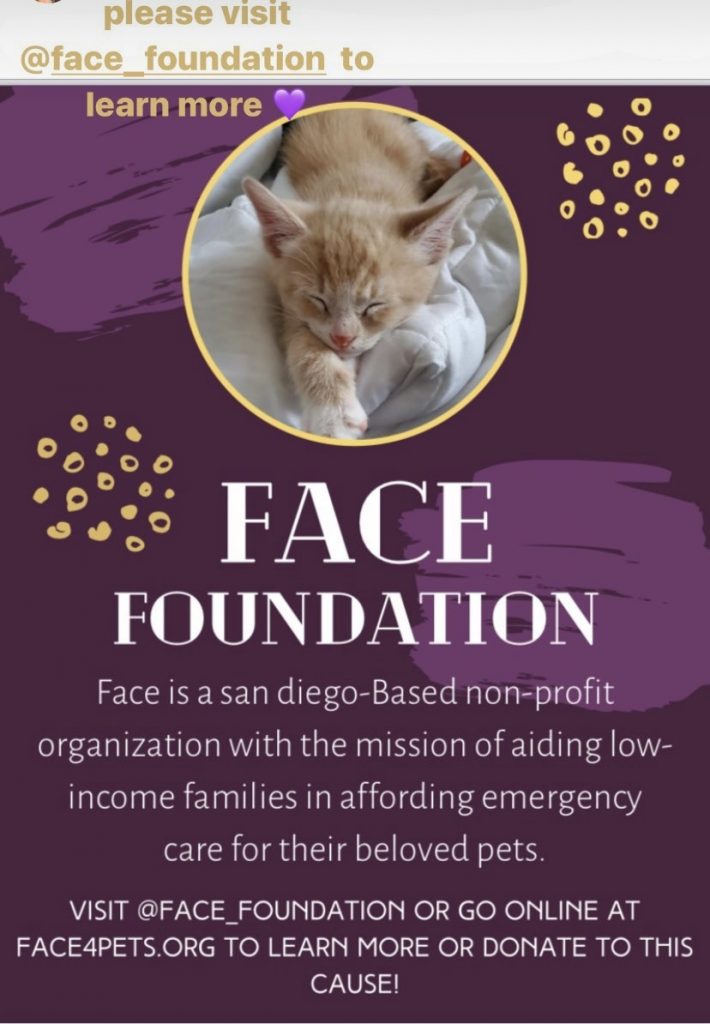
For the social media outreach component of our campaign, we created flyers which we shared over our Instagram pages. The flyer that I shared on my personal Instagram story received 560 views, which means that over 500 new people were exposed to this organization which they likely did not already know about.

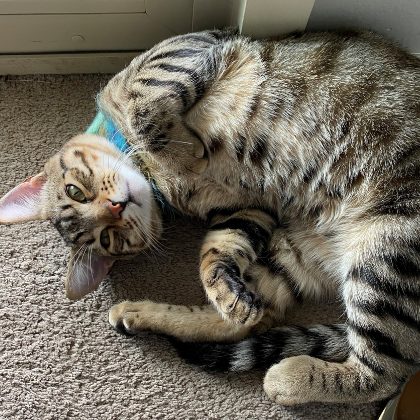
This is one of the thousands of pets saved with the help of FACE. His picture was on the flyers that were shared to our social media pages.
The Instagram story post which received 560 views.

While I cannot find the true number of people who visited FACE’s page, whether on Instagram or the internet, I hope that at least some people had the intent of learning more about the organization and possibly donating to the cause. Like I stated previously, the first step to solving a problem is admitting that there is one, and I made that problem relevant to over 500 more people with this campaign. This was a rewarding experience and I am confident that those who participated in this campaign feel like they contributed to a good cause and appreciate their pets a little more.