Do What You Love, Love What You Do.

Where I have been; physically, mentally, emotionally, and where I am going are two separate destinations that are also quite dependent on one another. I know where I have been. I have been to El Salvador, I have been to the Philippines, and I have been a student at Santa Clara University. I have been filled with joy, I have been numbed my circumstances, and I have felt overwhelming compassion. I have been sure and I have been confused. I have been to my home and I have been finding new homes as I give myself to new places and new people. But where am I going? The specific answer to this question is what I do not know. However, my fellowship experience has helped me to understand what vocational path I want to go towards, even if it takes a couple of tries to get there.
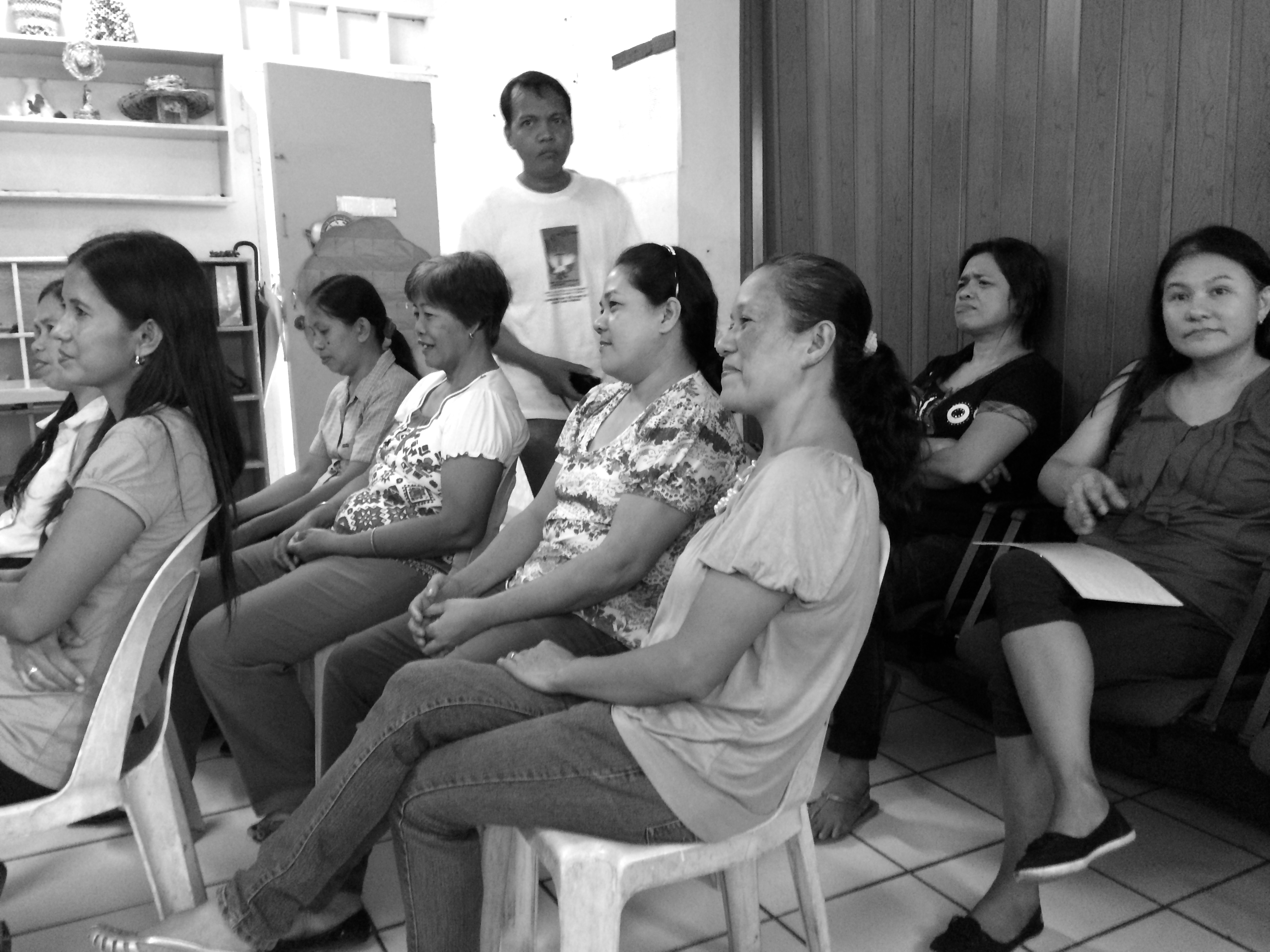
Community Artisans

During my summer in the Philippines and throughout this fellowship experience I have seen how social entrepreneurship can be used to find solutions to difficult problems. The poor are underserved and underinvested in, both economically and personally. And Rags2Riches chose to tackle this problem by proving livelihood opportunities for artisans across Manila. Every time that I went into the Rags2Riches office I saw artisans hard at work making beautiful products, and I saw social entrepreneurs helping others by doing something that they love and believe in. I know that social entrepreneurship is not a path that I wish to pursue, but I am inspired by my involvement with a social enterprise to do something that I love and believe in just as I saw individuals that are working with Rags2Riches do. As I mentioned above, I do not know where I am specifically going, but I have come to realize through my fellowship experience that I want to go toward a path that leads me to do what I love by engaging with marginalized communities and investing in them with my time, relationships, and skills that I have. Whether this is internationally or domestically, I know that I can best engage with society by being in relationship with others as I accompany them or even lead them.
I feel a strong calling in my life to stand with those who are marginalized. I am passionate about speaking with them and not just for them. After reflecting on this call and my fellowship experience, I made the vocational decision to apply for the Fulbright Scholarship. I proposed the project of interviewing Salvadoran women, recording their voices on experiences with past and present violence, and creating a compilation of written stories. I want to know why these women struggle and why they continue to fight and be resilient as they face injustices and hardships. This aligns with my interests in history and women’s and gender studies, and will also allow me to pursue my passions in a place that I love, El Salvador. While studying abroad in El Salvador my main purpose was to be and to accompany people, but if I am awarded the Fulbright it will also become a place where I will be doing and working towards a goal that I am passionate about. I chose this vocational decision because it would allow me to do something that I believe in, in a place that I love. And as I have some fear about the possibility of returning for a year, I also know that it would be an experience that is worthwhile and would further my vocational discernment. My work with Rags2Riches also influenced the project that I proposed. When we visited communities and met artisans I was so interested in their personal stories and left wanting to know more about their lives. This experience helped me realize that every person has a story and that it is worth telling, and I want to take part in this.
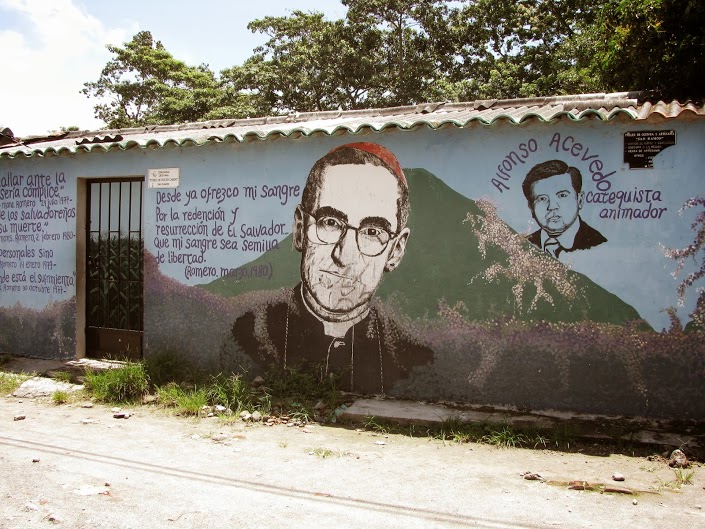
Mural in El Salvador

Mural in El Salvador

I have applied to the Fulbright knowing that it is a reach goal. Taking this risk of putting my idea out there for someone to judge is nerve-racking, but it has also given me the confidence to continue pursuing more opportunities and to be open to other adventures as they present themselves. As much as I hope that the Fulbright will be the next step in my vocational path, I know that it very well may not be and I feel like this is also okay. I now know that I can take chances and seek opportunities that will allow me to do what I love and to keep figuring out what this may be. My readiness to take these risks and to make my own story is something that has developed over this year, and I think working with social entrepreneurs: the ultimate risk takers and the people who will change our world, has greatly influenced this belief in myself.

Do what you love, and love what you do. This is what I want for my vocational path. Whether that is as a Fulbright fellow, a peace corps volunteer, a social worker, or just a human being I know that I need to love what I do. As I continue to reflect on my vocation and acknowledge that it is shaped by where I have been and will influence where I am going, I know that I want to contribute to making the world more human and more whole in some way.
Posted in Uncategorized | Leave a comment

This One Wild and Precious Life

My time in the Philippines has taught me to abandon expectations when you enter the door, or the country in this case. Before getting to the Philippines I thought, “oh I’ve worked with artisans before, I totally know how that goes”. Well I could not have been more wrong because Rags2Riches engages with artisans in such a unique way as they seek to build up their artisans in every way possible. Empowerment is always the goal when working with the marginalized or underprivileged, but when I met the R2R artisans I could tell that the enterprise actually achieves this through the relationships that they established with communities of artisans. I discovered that expectations will often be broken and that this should not be a source of disappointment or anxiety, but one of excitement because you are in for a unique journey.

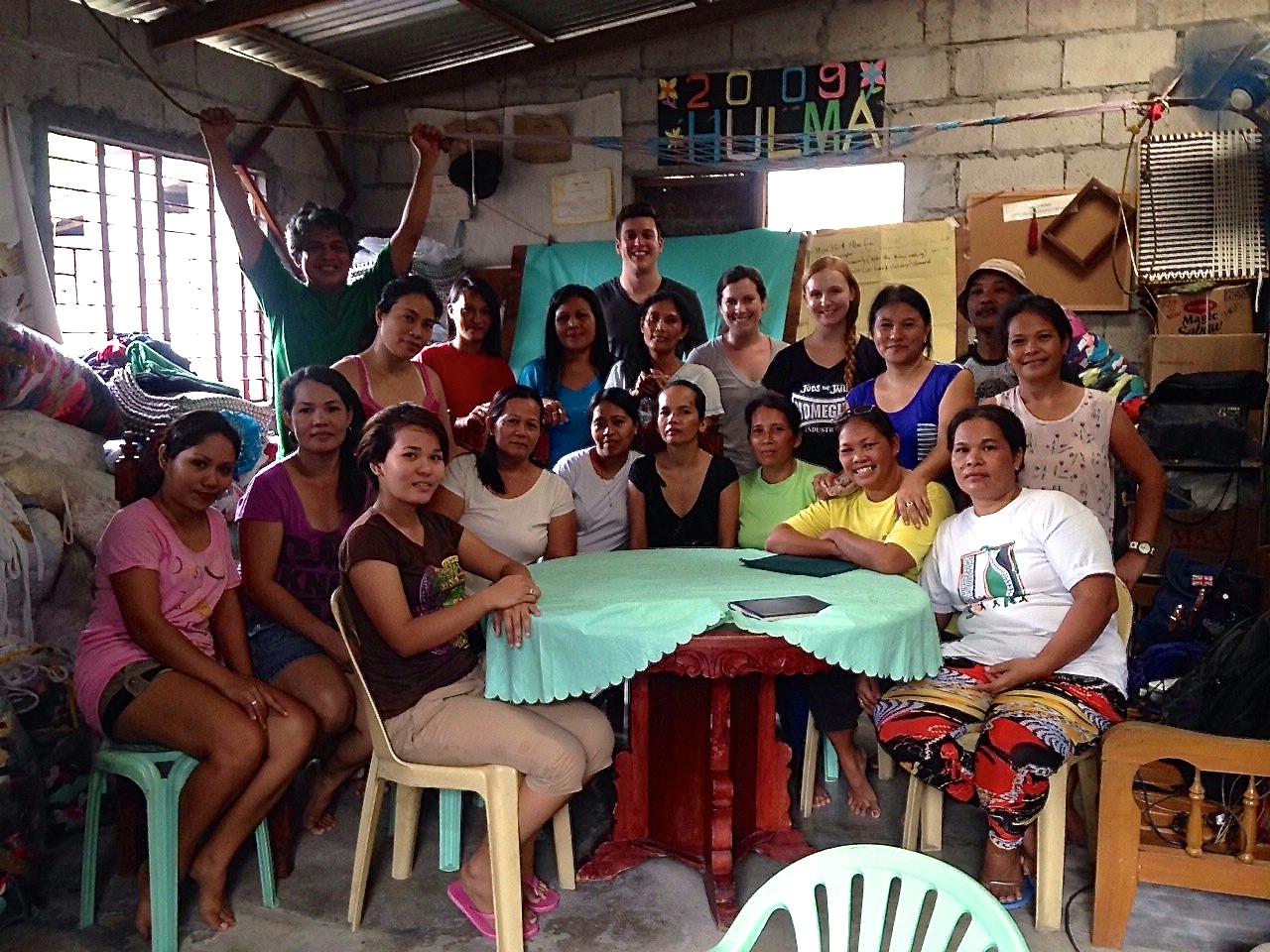
HULMA Community Visit

HULMA Community Visit

While in the Philippines it also became clear to me that R2R provides much more to their community artisans than economic opportunity as they establish relationships with each artisan. I know this because I heard it from the mouths of numerous artisans as they expressed their appreciation of the partnership that they have with R2R. Our final question of the social impact survey that our team created was, “what are your personal visions and goals as an R2R artisan?”. This question has less to do with quantitatively measuring the enterprise’s social impact than it does with recording an artisan’s dreams and tracking the progress that they have made towards it in the future. Through piloting the social impact survey I learned that to many of the artisans their participation in R2R means more than just some extra money, because to them R2R is an opportunity to send their children to school and to improve their homes, it is a place from which to draw self worth, and it is a community of artisans and mentors where they can gain support. This was evident when I spoke with an artisan named Ate Miriam (Ate is used in the Philippines as a respectful prefix to address women). She told us that R2R has allowed her to fulfill her dream of sending all of her children to school, an extremely selfless goal for a mother to set. Ate Miriam went on to tell us about some of her health issues, like asthma and high blood pressure that she has to deal with and how she feels supported by R2R and other artisans in her community. Despite her sufferings and lack of economic opportunity, she expressed so much gratefulness towards R2R and also for the life that she has.

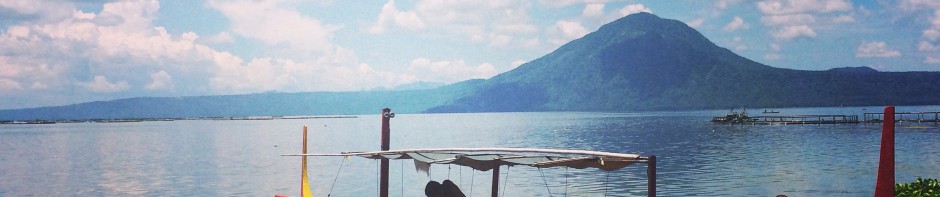
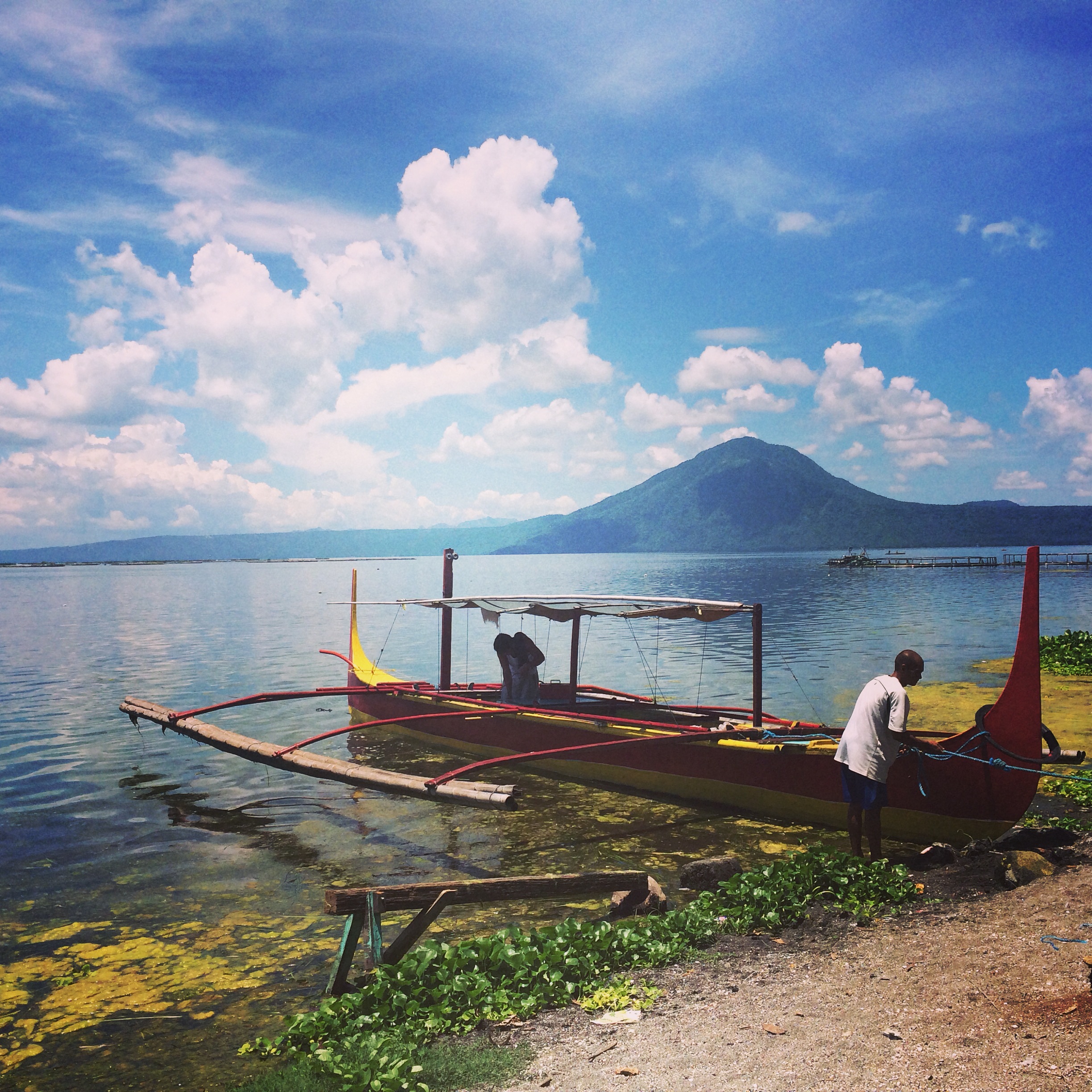
Mt. Taal

Mt. Taal

This community visit was particularly special to me because it came at a time when I was feeling discouraged and disconnected from my fellowship project, and hearing Ate Miriam’s story made me realize that I should be beyond grateful for this fellowship opportunity, being in such a beautiful country as the Philippines, and for the beauty in others taking the risk of sharing their stories. I have already forgotten that name of this and many of the other community that we visited, but I will never forget the people I met and the words that I heard while being there.

Not all of the artisans opened up to Catherine Rose, Garrett, and I as much as Ate Miriam did, but the Filipino culture is one of extreme hospitality. Practically every community we visited would cook us food and bring us soda and other treats. At times I yearned for the extreme openness that I had experienced while in Central America, where most every person that you met would sit down and immediately start telling you their life story. However recognizing that openness and sharing does not have to come from words, I came to appreciate that artisans letting us into their homes and showing the great hospitality that they did was more than enough for me to feel like we were connected through that experience in some way. I believe that there was shared discovery in this as all of our team expressed to each other how much we all valued the hospitalities that were shown to us.

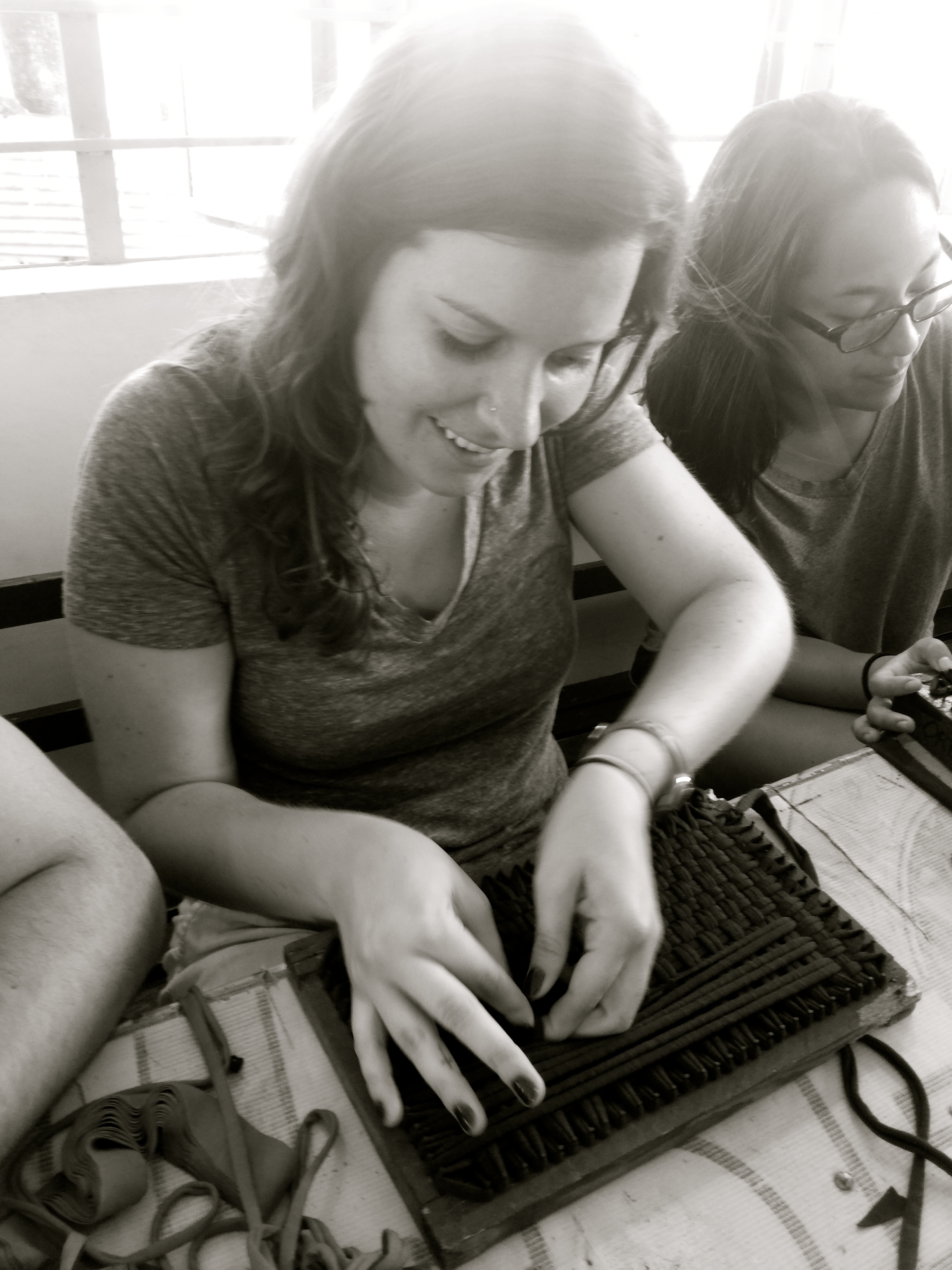
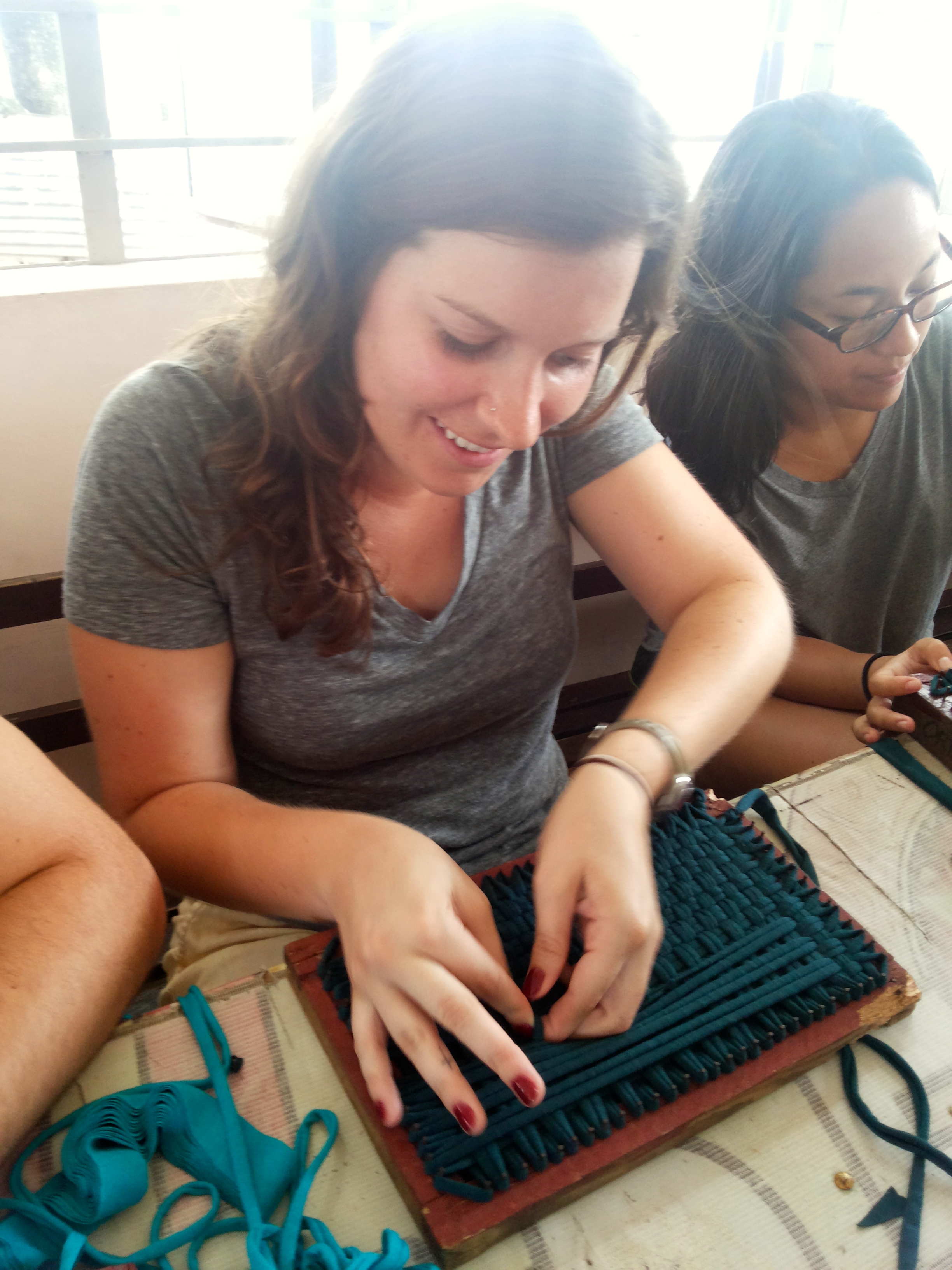
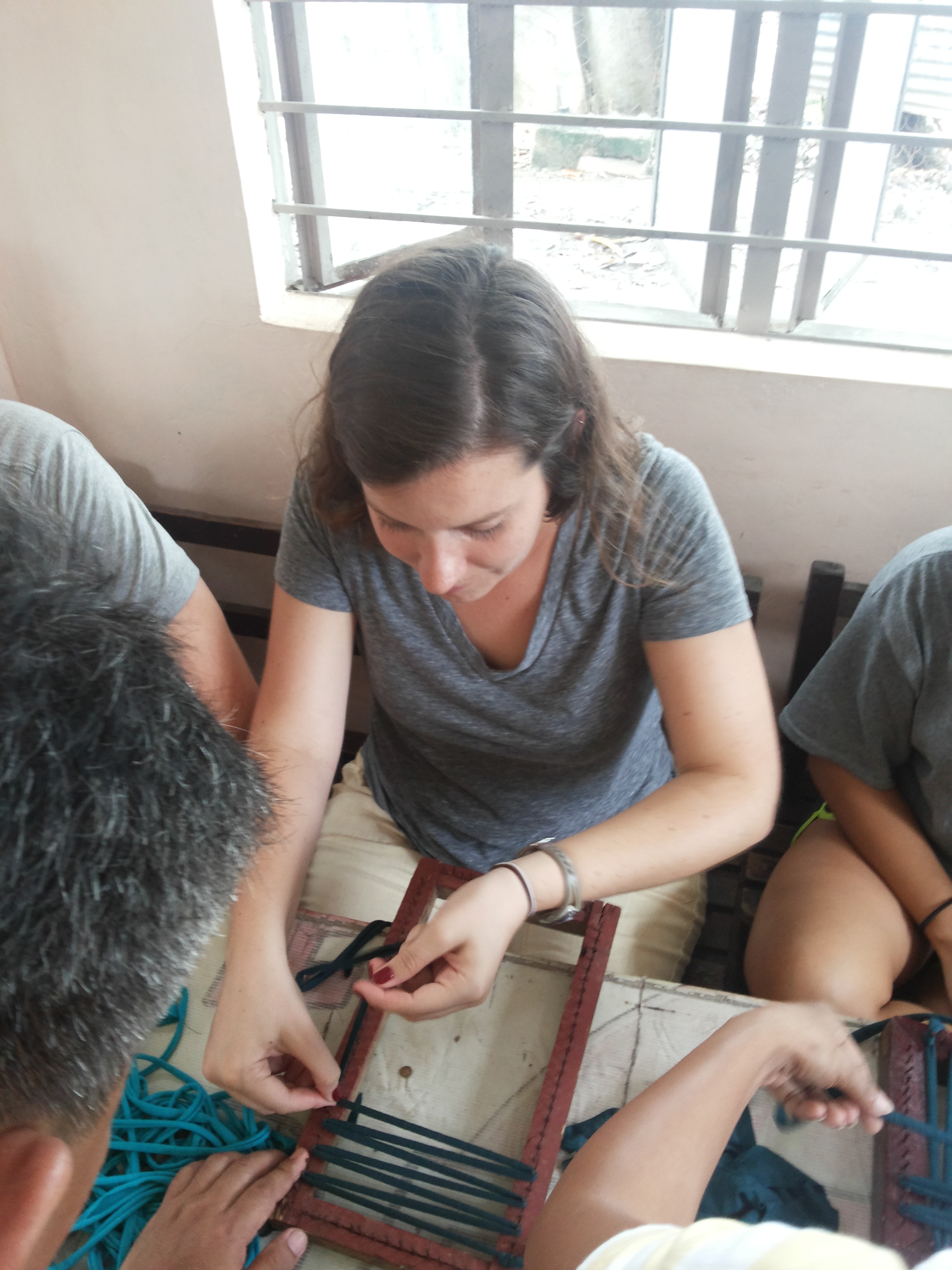
As I reflect on the opportunity to visit six different R2R communities, I am left feeling full of appreciation and respect for the community artisans that we visited and also the social enterprise that open their world to us by letting us take part in these visits. One of my favorite experiences in the Philippines was community engagement day, where the staff of Rags2Riches learns how to weave from the weavers. They participate in this every year in order to go back to their roots and to remember how valuable the artisans are to the success and the mission of the enterprise. Reese once told us that they hope for customers see humanity in each of their products, because it took a great amount of hard work from the person whose hands made it. These bags, wallets, rugs, and so much more are made by the hands of those who are marginalized, who have experienced much more suffering in their lives than I ever will, and who seek this livelihood opportunity with R2R despite obstacles that they encounter.

Weaving With the Weavers

Weaving With the Weavers

After try to weave and participating in the community engagement day I felt like I was truly able to understand this and see the humanity that each product represents. I remember telling one of my teammates that I wished everyday of the fellowship could have been community engagement day. Interacting with artisans helped me to re-learn something that I already knew; I need to have relationships with those that I aim to help or serve because accompanying these people is what sustains my passion for compassion. From my experiences with R2R I have learned that I need a sense of community engagement in the vocation that I pursue.

As I approach the next phase in my life, I will value these experiences of learning as I try to rid my mind of expectations when I enter new experience, adopt gratitude in all situations, and engage with communities that I serve. Although I do not know what job I would like to pursue, I know that working with people is something that I am looking for in my vocation. Whether I seek future fellowship opportunities, teach English abroad, or work toward a graduate degree, I hope to live an intentional and purpose filled life.

And so I will leave the reader with this Mary Oliver quote that I am using to guide my further vocational reflection: “Tell me, what is it you plan to do with your one wild and precious life?”. We only have one, so I plan to chase the opportunities and to take the risks that will allow me to make an impact on the world in some way.

Posted in Uncategorized | Leave a comment

What Brought Me Here

If you were to ask me what social justice or solidarity meant before I became a student at Santa Clara University, the only answer I would have been capable of giving is community service. Although this is not incorrect, now I have developed a deeper understanding of social justice issues and solidarity through my time at Santa Clara and the experiences it has allowed me to have. Growing up in Tulsa, Oklahoma, in the heart of the “Bible belt,” I sought opportunities like summer mission trips to surrounding states and volunteering locally to feel a sense of confirmation that I was doing good. I was passionately volunteering my time to those who were less privileged than I; however, I was not volunteering my heart along with it. Fast-forwarding a number of years, this would all change as I learned what it meant to incorporate things like standing against injustices in my academics and in my worldview.

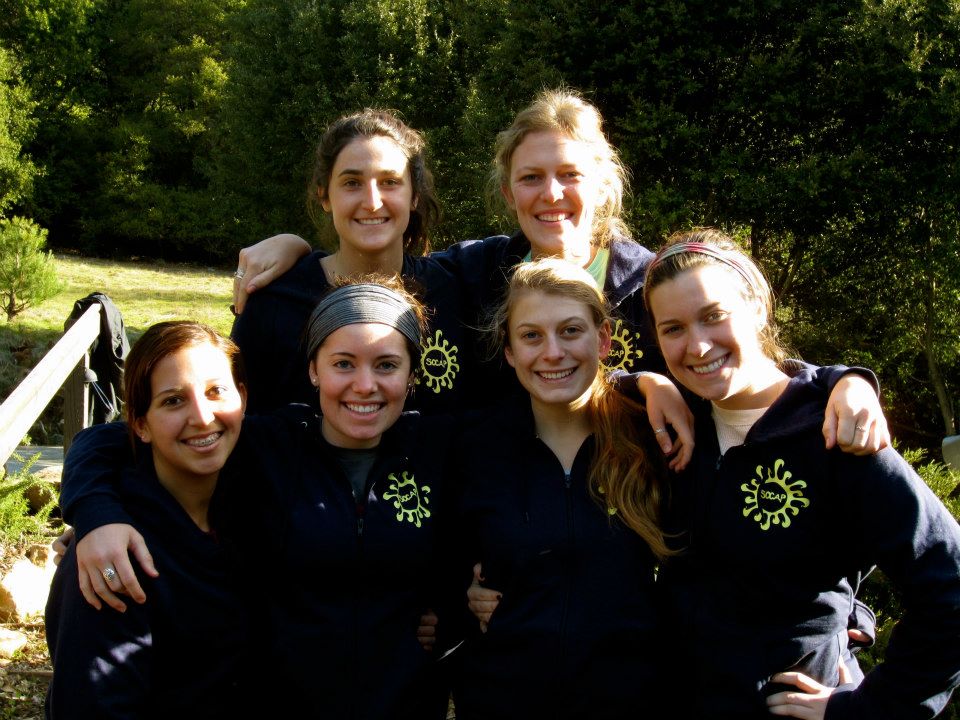
During my freshman year at Santa Clara University, I got involved with Santa Clara Community Action Program (SCCAP), a student led organization that aims to promote activism and advocacy through service in the Santa Clara community. As a volunteer, I saw how global issues like homelessness and access to education touched the community around me. This was the first time I was confronted with topics of social justice and solidarity, both their meanings and their practices. Other members invested time in me, as they made sure that I understood the issues that SCCAP interacted with.

The SCCAP Health and Disabilities Department

The SCCAP Health and Disabilities Department

Continuing to volunteer and taking on leadership roles, I truly felt as though I had become a part of the SCCAP family. Through this experience, I found a community that inspires me to explore my passions and to expand my worldview. I hope to bring this experience of being a part of a community founded in care and support into my fellowship experience as I head to the Philippines with my teammates. Meeting people in SCCAP also led to my decision to study abroad in El Salvador in the fall of my junior year.

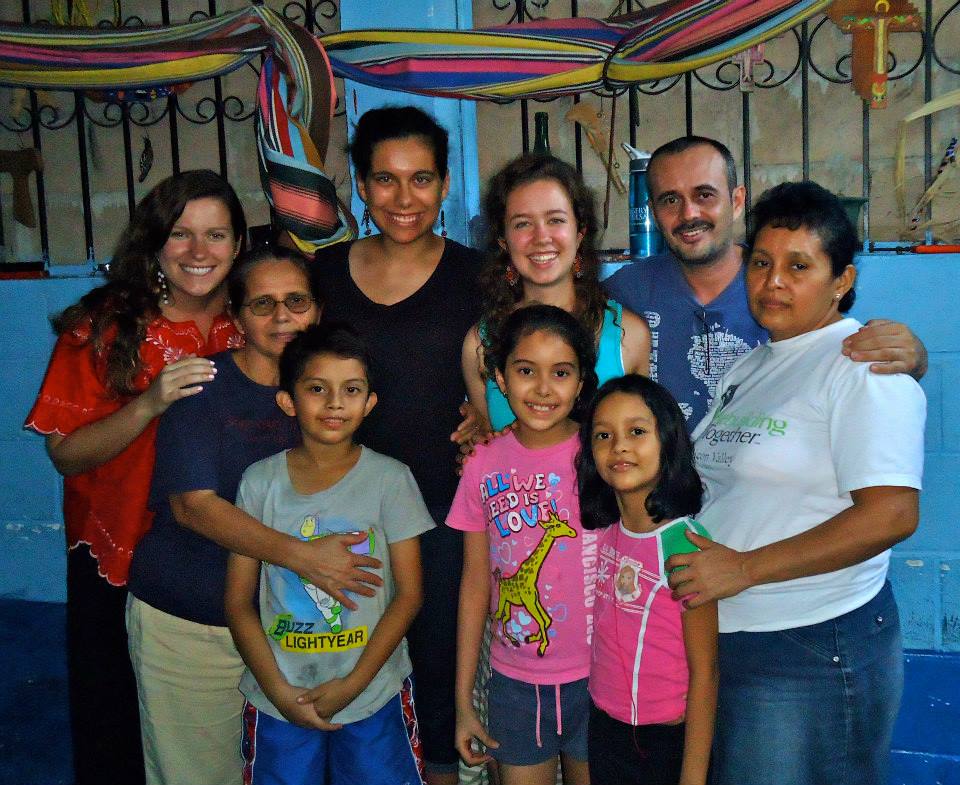
While studying abroad in El Salvador, I had the opportunity to accompany three families living in a community called Mariona. This community faces economic and social limitations, as its members must commute far distances to find work while also fearing for safety at home, an area affected by gang activity. However, as I learned about these families’ current and past struggles there was always the common theme of hope.

My Salvadoran Family

My Salvadoran Family

As I visited the community of Mariona each Monday and Wednesday my role was solely to experience the reality of poor. I was not there to fix or change, but to learn. Yet I found myself thinking, now that I have experienced the reality of the poor; what can I do about it? Although I still do not have the answer to this question, my experiences studying abroad in El Salvador have taught me the importance of considering the context that social issues exist in before one can enter the scene with a “fixer” attitude. I grew in my understanding of the developing world and how to be in solidarity with the marginalized communities in it. As I participate in this fellowship and work with Rags2Riches I will have a very different role from that which I had in El Salvador, as I transition from simply being in the developing world to doing. This welcome change excites me, as I will be taking part in a fellowship that places me in a position to actively address problems of injustice.

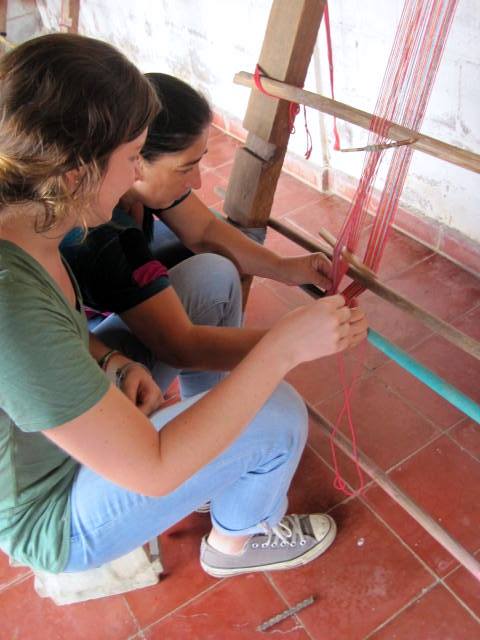
I also had the opportunity to interact and participate in women’s cooperatives, while in El Salvador. I saw a true display of solidarity between these women as they collectively struggled to maintain their livelihoods. They shared their stories with us, and also their craft, as they would teach us a little about how to weave and embroider and about the materials that they used.

Learning how to weave at an artisan cooperative in El Salvador

Learning how to weave at an artisan cooperative in El Salvador

However, these women would not always be quick to open up. I learned the importance of sharing my own motivations for coming to visit their cooperatives, for studying in El Salvador, and what I was learning, in building relationships and trust between our group and the women. Once we let them into our context, they let us into their own. In my visits to various cooperatives, I found solidarity where I least expected it. This experience inspired a change in how I value and advocate for women’s empowerment issues. Through my participation with Rags2Riches, I now have the opportunity to continue learning about the issues that marginalized women face as I enter this new corner of the world.

Even though I may leave the developing world, I do not have to leave my experiences there behind. I can remain in solidarity with the Salvadoran families that I accompanied and the women in the cooperatives I visited as I search for opportunities, like GSBF that will allow me to do so in my own context. I was once asked the question to whom or what do I belong? And I have come to realize that I belong to the people I am in relationship with, whether that is my family, the SCCAP community, or people in El Salvador. And there will always be more people to belong to. I am grateful for the opportunity to belong to this fellowship, to Rags2Riches and the communities that I will encounter during my time in the Philippines. I am also excited to discover what all of these relationships will contribute to my understanding of self as I continue to seek clarity on my vocation. Which is one that I believe to be centered on compassion for human beings, service to others and their communities, and addressing problems surrounding development and economic and social marginalization.

Posted in Uncategorized | Leave a comment

Hello world!

Welcome to Blogs@SCU Sites. This is your first post. Edit or delete it, then start blogging!

Posted in Uncategorized | 1 Comment