Coming Alive in a Context of Deep Suffering: Discerning my Vocation

My time at Santa Clara has introduced me to the word “vocation” and I have slowly begun to understand it more and more. Yet understanding of the meaning has not come hand in hand with deep clarity of what exactly my vocation is. Still, in the past four years I have gained deep knowledge about myself, especially during my two experiences abroad with the Casa de la Solidaridad in El Salvador and the Global Social Benefit fellowship in Paraguay.

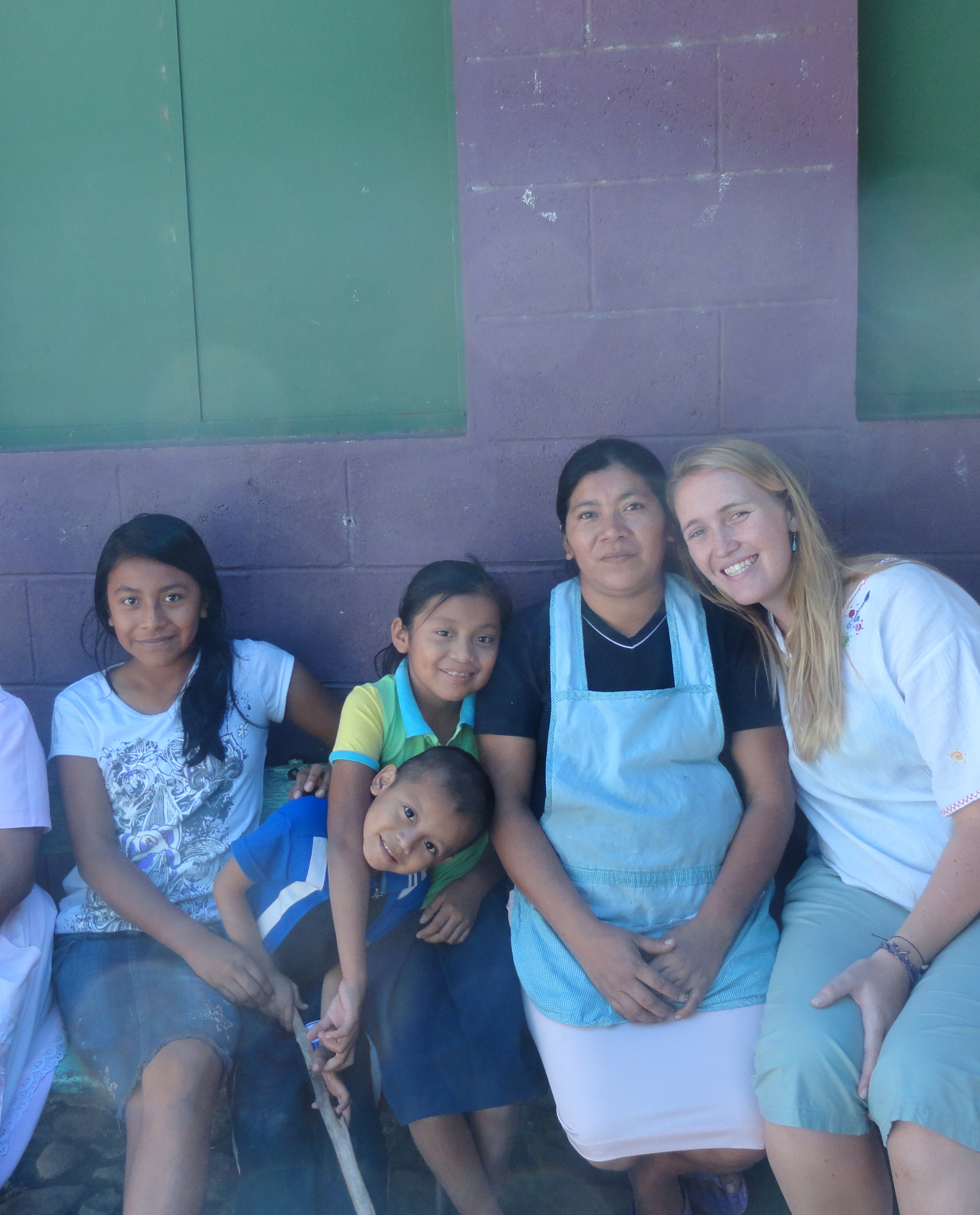
My motivation to apply for the GSB fellowship came from four months in El Salvador where I learned more about the world and myself than I could have ever expected. Through the relationships I created in a small, rural community in El Salvador I came to understand the deep suffering that exists in the world and the reality of so many living in poverty. Exploring my own personal journey of struggle and falling in love with the people of El Salvador led me to a deep desire to serve others and work for social change. I felt more alive, present, whole and in touch than I ever had before and was incredibly inspired by the deep faith and hope that came hand in hand with the extreme suffering that I encountered in the people of El Salvador. The stories of the women in the small town broke my heart and I found myself angry at the injustices that characterize the world and the ways in which our privileged North American life styles are oppressive to so many in the global south. After seeing their strength and resiliency despite the suffering I knew that I had to find a way to devote my life to minimizing the suffering and inequality, to working for social change and to educating people about the deep injustices that exist. I saw GSB as a perfect next step in my vocational discernment. In El Salvador I came to understand the importance of relationships and listening yet left unsettled knowing I needed to be able to do something more than just listen, I had to find a way to put my education and privilege to use in bettering the lives of the people who had become my family and so many others around the world.

Upon arriving in Paraguay I was excited about the potential of Social Entrepreneurship, I saw the value of combining the private and public world to bring resources and knowledge to the great needs of the world.  I was hopeful to come out on the other end with a better understanding of a concrete way I could engage in the painful reality of the world.I found myself in a small office in Coronel Oviedo, separate from the other two fellows and perplexed at what exactly it meant for me to be there. Early on I wrote in a blog “So what is my place here? Honestly right now I have no idea. There is so so much I don’t understand about the organization, the country, the culture, the list goes on… so how can I be of assistance to this organization and the people of Paraguay?” Throughout my time I struggled with the same questions. The office didn’t have time to give me a specific project, I didn’t fully understand their mission and work and they didn’t understand how I could be of use to them.

The challenge of being alone in a completely different context and of not having a concrete project created a space for a lot of internal processing and forced me to further question my role in the world. My time in El Salvador with the Casa program prepared me incredibly well for the challenges I encountered in Paraguay. In El Salvador I learned about the importance of relationships and learning about a people and a culture before being able to make an impact. This became incredibly clear to me in Paraguay, as I was aware of how little I understood and how important it was to me to have direct interaction with the women who were receiving the loans. I needed to get to know them and have a relationship with them in order to understand what they needed. The focus on spirituality in El Salvador gave me a basis for understanding the importance of reflection and processing. With this knowledge I found a deep comfort in a spirit greater than myself and really learned to trust that the experience was more than I could see in the challenging moments during my time in Paraguay. I spent hours journaling and was forced to confront the confusion on my own. I learned to listen to the movements of my heart and found the ideas of consolation and desolation incredibly helpful. The frustration left me much more aware of the moments where I found consolation and joy. I felt a stillness and strength in my independence that had been lacking in the previous months after being rocked by the reality of El Salvador. I saw the needs of the Paraguayan people and grappled with how I would fit in yet also found a sense of patience and peace in letting the process happening and slowly coming to understand more and more.

When watching Reverend Michael Himes speak of “The Three Key Questions” images of my time in both El Salvador and Paraguay flash through my head. He asks what brings you joy and clarifies between joy and satisfaction. He explains that satisfaction can be a barrier to one’s vocation, illustrating that a desire to grow and continue to question is important in one’s vocation. Contentment and satisfaction can lead one to be stagnant. I was reminded of the constant questioning that happened in both contexts. I have found that in the context of suffering I constantly find myself searching for ways to better engage in the reality of the world, to be more sensitive, more aware and better able to serve the needs of the people. I found great joy in sharing in the reality of both countries, when the women were able to be vulnerable with me and let me into their worlds. While in Paraguay I was inspired when I was in the field with the women. Their motivation to use the loans to generate income for their family, team work, problem solving skills and gratitude reminded me of the hope and resiliency of the people of El Salvador.  I love the chance to learn more, to see the world from a different perspective and to step back and appreciate my lack of knowledge and celebrate the wisdom and wealth of spirit of the people in the developing world. I am inspired by them and invited to engage in their joy and pain in a way that compels me to make social change. I find joy in direct interaction, in learning and teaching, in genuine conversations about what matters and in situations where I am challenged to look beyond myself. I find joy in creating community and supporting people in their journey due to the great amount of support I have received on my own journey.

Just as the experience brought light to the moments I found joy I became aware of things that do not bring me joy as well. I become frustrated when I feel that success is solely measured in numbers and the complexity of human nature is minimized. I get frustrated when people who are in need are not being served in a way that helps them to grow as human beings and appreciates their specific needs and dignity. I was frustrated with the inability of the Fundacion Paraguaya to provide the women with integrated education and support and came to believe that service done with some what of a distance between the provider and the client can frequently leave holes and unmet potential. I found myself craving time with the women, aware of how important it is for me to truly know and understand a people before I am able to serve them. My experience in Paraguay gave me a chance to truly listen to myself and to be present to the moments in which I felt joy and those that I did not. Being alone in a challenging context gave me a quiet space to observe my reactions, thoughts and emotions giving me a stronger understanding of my own desire to make social change through relationships and direct service and my joy in really taking the time to understand people and their needs.

In continuing vocational discernment, the next key questions is “Are you good at it” a question that I struggled with while in Paraguay. What skills do I have that can be of any use to this organization? Why am I studying “International Development” when I know so little about the rest of the world? I felt discouraged, clueless and helpless but was grounded by the moments when I was reminded of the simple fact that I am an extra pair of hands, I have another perspective and I truly can learn about the cultural context of an organization. One of the asesoras Cristina asked me to help her with the socioeconomic survey. The first day I stumbled over my words, asking questions in a way that elicited confusion and was not culturally sensitive. I slowly learned to ask the questions in a different manner and was reminded of the depth of cultural sensitive that was needed.  I realized I could slowly learn by doing, by asking, by engaging and even by the specific tone and manner in which I presented myself. I know that I am good at creating relationships, I am good at being flexible, open and sensitive. I am good at teaching and analyzing the deeper effects of both problems and solutions. I also feel that I have an eye for seeing the whole person, something I have learned from my Jesuit education and time in El Salvador. I never once doubted the women for the ability to use the loans for good use yet also was aware of the ways in which the Fundacion could supplement them to allow them more success. I understood that the asesoras were working as hard as they could and that their inability to provide each individual with the support they may have needed was more an organizational fault than the fault of the individual. I was able to listen closely and take in the reality, allowing it to slowly form my understanding of the context.

Finally he asks “What does the community in which you live in need from you”? This question is still the most challenging for me. I see the need, I see the pain and I feel the heartbreak and suffering of these people living in deep poverty in a way I never could have without meeting them. I understand that many live without enough food, that their water is dirty and they are getting sick too easily. I see that they are oppressed and forgotten. Yet sometimes these needs overwhelm me, where should I start? How do I decide where to devote my time? It brings me back to the questions of cultural understanding. We must know a people before we can serve them and in this moment I feel better equipped to serve the people of El Salvador who I spent four months getting to know than the people of Paraguay who I feel I did not get to interact with enough.  Still I wonder if I will ever be able to understand and provide the people of another country with what they need. I believe that they need education yet I also believe strongly that the people of the United States need education. I feel passionately about exposing privileged North Americans to the reality of the global south. I have learned that falling in love with people ignites a deep desire to serve them. I see the model of the Casa de la Solidaridad as having long term, wide spread impacts in a way that GSBI also does. By providing education to people who will go on to put it to good use. I struggle to understand what order the need comes in, food, health, education, shelter, dignified work- the list of needs is unending. While in Paraguay I was challenged by the idea of the people needing access to financial capital. Yes they need to be able to generate income but I do not believe that simply loaning them money is enough, they need more than that. Then need to learn and be provided with tools and education that help them to improve their lives as individuals rather than relying on others, not because we cannot provide it but because we are all dignified human beings. We all have the right to work towards the betterment of ourselves, our families and our world.  But where do I fit in the picture? What can I do well and enjoy that will fulfill the needs of the world? That is the question that I will continue to ask and the journey of vocational discernment that I have only just begun to scratch the surface of.

In the past four years I have come to understand what vocation means and have found tools that will continue to help me discern my own vocation. I have made great progress in understanding the great needs of the world and the necessity for me to devote my life to a life of service for others. The inequality that exists leaves me unsettled and heart broken to the point where I have no choice but to find a way to work for change. Equally as important, I have sorted through some of my own greatest personal challenges and have closer and closer to the truth of my heart. My experience this summer taught me to listen to myself and showed me what it feels like to feel joy and frustration, it gave me the space to ask what I am good at and to further explore the needs of this world. While there is I have not had an earth shattering experience clarifying my vocation I have made great progress in moving towards discovering it and have sharpened my tools for continuing on the journey.


Categories: Uncategorized | Leave a comment

Mujeres con Motivacion: Women’s Commitees of Fundacion Paraguaya

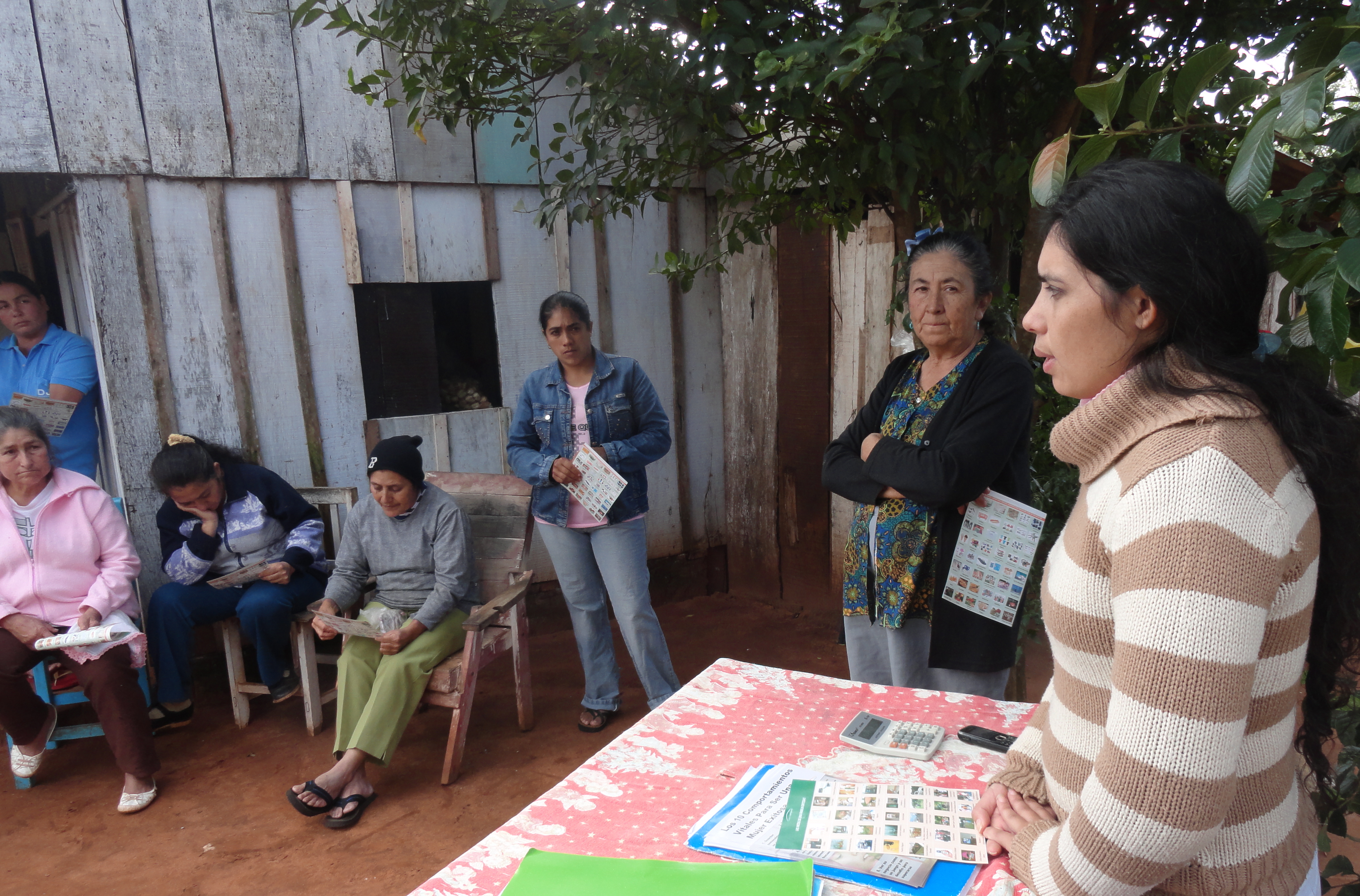
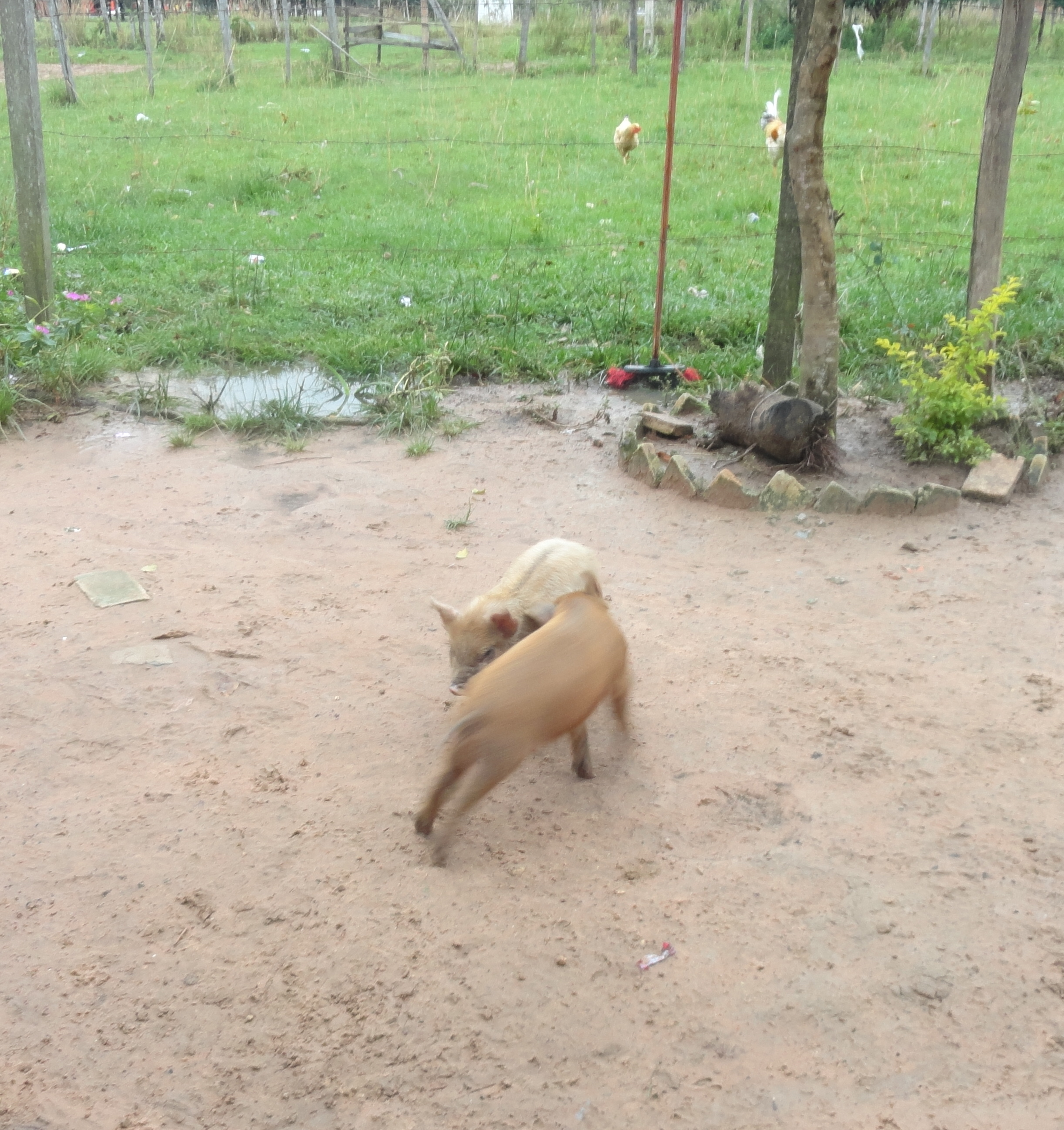
I sat in a cold damp room surrounded by women asking questions about the women’s committee they had just formed in which they would receive collective loans. The sounds of Guarani spun around the room and I watched the baby pigs wrestling outside frustrated at my inability to understand the language. “What am I doing here?” I thought, wondering how I was going to learn or do anything when the majority of the committees in this rural area spoke Guarani. I tried to pick up on tone here and there, caught random mixed in Spanish but quickly spaced out and watched the going ons of the farm outside rather than the happenings of the meeting.


Just when I felt my brain spinning into the “Whats the point” cycle, Cristina, the asesora, asked me to help her with the socio economic survey, used to measure progress between the time the women form the committee and six months or a year down the road. I happily accepted but stumbled over my words as I asked the questions on the survey about the income, home and family make up of the woman. I wrote down answers skeptical of my ability to fully understand what they were saying and quickly realized which questions I needed to frame differently in order to display more sensitivity to the culture. “What is your job?” quickly became “Do you work outside of the home” after I realized that many woman were responding with “alma de casa” meaning house wife not cleaning woman. I re framed the question “What is your spouses name?” to “Are you married” after a woman laughed at me who had lost her husband and others snickered who were single. After my space out watching the wrestling pigs it was a quick reminder of the need to be in touch with details, differences and a great level of sensitivity that comes about when in a completely new culture.

Cristina, the rural asesora for the Coronel Oviedo office of Fundacion Paraguaya (FP) took me under her wing when she realized I could help her with the socioeconomic surveys, travel with her and be there just to chat about the ups and downs of her job and life. She answered all my questions, sometimes with the answer I was looking for and other times leaving me even more confused.  More importantly, she took me along every time and that was the best way for me to learn. The office had 9 employees: 2 asesoras, 4 oficiales, 1 cashier, 1 secretary and the manager. The asesoras, two young women in their early 20s focused on the women’s committees… Fundacion Paraguaya’s claim to fame in the microfinance world. The rural asesora, Cristina, has about 250 clients and counting, in the short five weeks I was there she formed ten new committees. Saide, the urban asesora working within the city limits of Coronel Oviedo has more than 900 clients who were passed on to her from the previous asesora. The majority of the meetings I went to were with Cristina anywhere from 1/2 hour to 2 hours out of town by bus where she would hold the first meeting for the committee, give them the basics of the loan conditions and get their signature on a number of different forms. All that is needed for a committee to form is 8-12 women with a government issued id willing to take collective responsibility for the money they barrow. Fundacion Paraguaya does not require any proof of income or a plan for what the loan will be used for. To the eye of someone from the United States this may seem irresponsible but the community focused culture of Latin America makes it entirely possible and FP has incredibly high pay back rates. Loans start as low as $50USD and the women collectively decide the frequency and amount at which they will pay back their loan. Slowly they are able to increase the amount of their loan and thus able to grow their businesses and become better able to provide for their families.

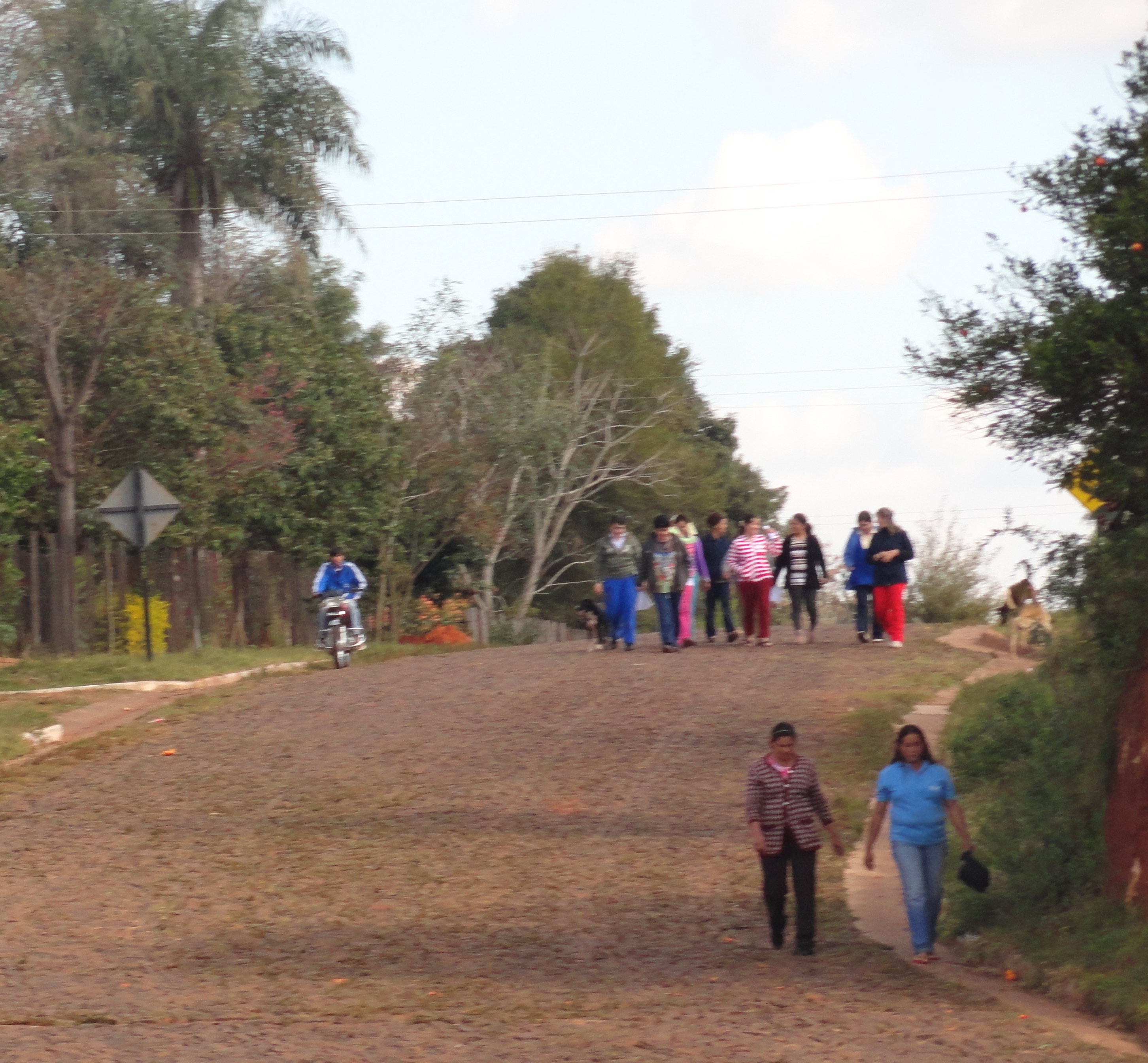
A few weeks into my time in Oviedo I attended another meeting with Cristina where she planned to start two new committees in a small town called Pejupa 2 hours away from Oviedo. We got on the bus at 9:00 in the morning traveled for an hour and a half to San Juaquin where we visited a couple committee members and then rode on the back of two small motorcycles to get to Pejupa where the buses do not travel. Pejupa is a small town with only 100 houses as one woman told me but they are proud of their primary and secondary school along with the health clinic in their town. We arrived at the home of a woman who had formed the committee and Cristina called another woman asking if we could have the meeting for both committees at once. I sat in awe as I watched nearly 20 women all come walking down the hill to the house together, all interested in receiving loans in small committees in order to improve their livelihood and better care for their families. The motivation and commitment to the well being of their family, their children’s future, and the other women in their committee was a continuous inspiration that yes, working with women is an important variable in microfinance and development as a whole. The energy, interest and dedication of these women to be involved stems from the basic human desire to live a happy and healthy life and to take care of the people around them which to me is the key to making social change.

I watched as Cristina explained all the requirements and different information about the loans. As she spoke I thought about how hard working and motivated she is for the same reasons as the women in the committee. She has two sweet kids at home, mouths she has to feed and school she has to pay fees for. She works incredibly hard and tells me that she really enjoys her job at the Fundacion. She seems to become friends with the women in her committees, understanding their need to improve their lives because she too is working to improve her own. She was extremely engaged this day, not leaving out any information, explaining the Fundacion’s “Characteristics of an Entrepreneur” with examples that the women could relate to and going over ideas of ways they could use the money with a true concern for their well being.

The women listen closely and it seemed all was going well. Then one woman raised her hand and asked when they could get the money “You will all have to come to Oviedo on Monday as a group for the initial loan disbursement”. The attitude quickly changed, discussion ensued in Guarani that I could not understand but I was very aware of a change in the tone, they seemed frustrated, disappointed and next thing I knew women were getting up and leaving. The women couldn’t afford to take the bus to Oviedo to get their loan for the first time and thus were no longer going to form the committees. Cristina had come all this way, paid for the transportation herself, done an amazing job explaining everything to them and they were leaving in flocks. I watched her quietly, she seemed disappointed but she stood strong speaking with some of the last few women who were also disappointed because they had lost the group that would allow them to recieve a loan. We packed our stuff, said our goodbyes and as we walked away I apologized to Cristina, “Solo dios sabe” she said “Only god knows” and she explained to me that there must be a reason that it didn’t work out, maybe they wouldn’t pay back in time or something would go wrong. We talked about the challenge of transportation, for her and the women alike, we talked about how hard she works, the obstacles she faces and the “que podemos hacer” “what can we do” attitude of we just gotta keep keeping on.

In these two experiences and many others during my time in Paraguay I started to understand microfinance on a whole different level. Every time I went out into the field I was impressed with the motivation of the women, their ability to work together as a team and the high payback rates. At the same time I became aware of many challenges including logistics such as transportation and getting women to meetings when they are working all day long. While spacing out to the sounds of Guarani I wondered how the loans were actually being used, if the women were receiving the necessary education and support needed to help them start small businesses and reach the ultimate goal of bringing their families out of poverty, and one of the biggest questions… how will we ever know? I became acutely aware of the challenge of collecting poverty impact data and left impressed with the quantity of loans the Fundacion was giving yet still curious about the quality of service each women received and the true, long term effects on their well being.

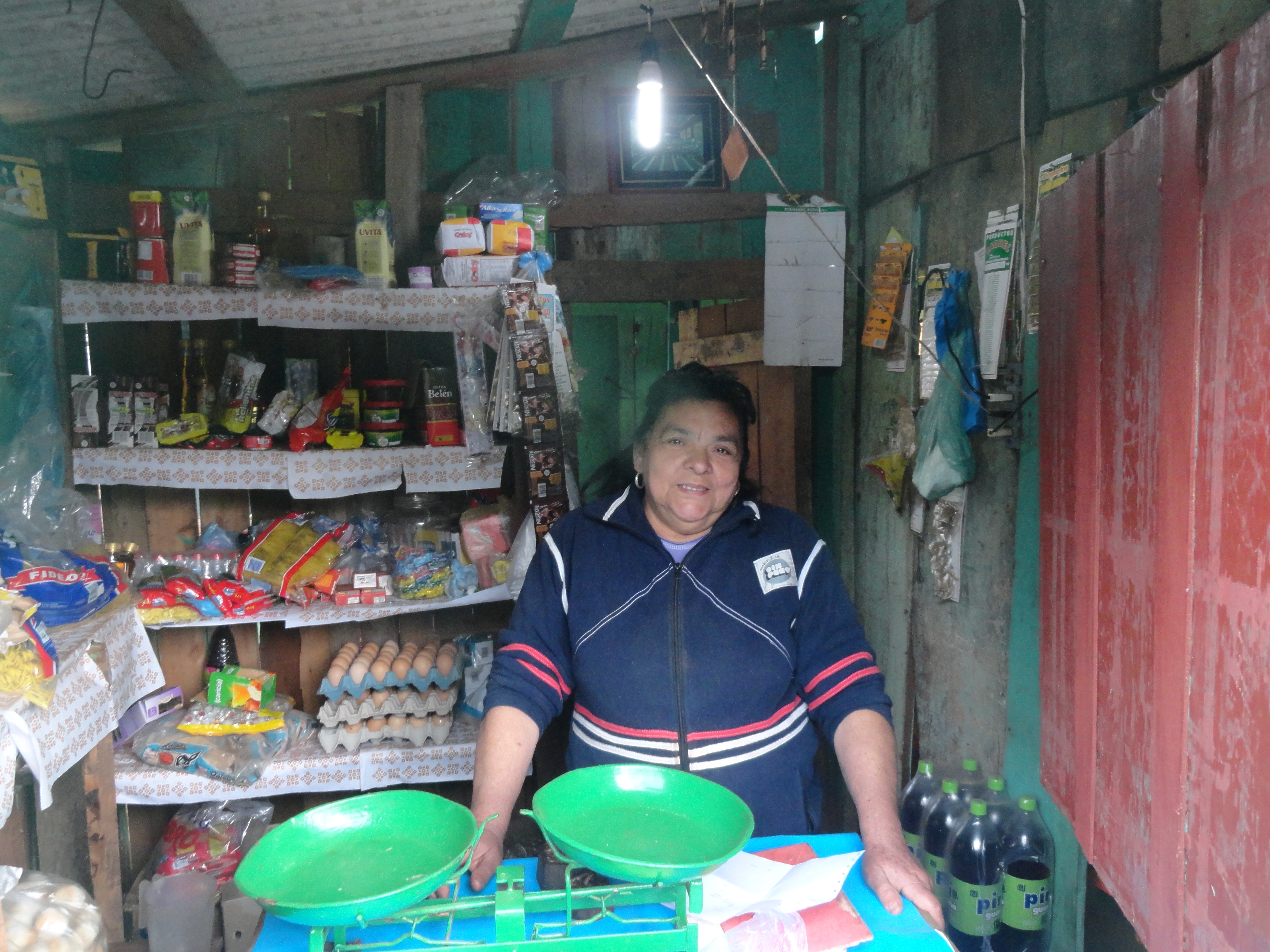
One of the women working at the store she started using the loan

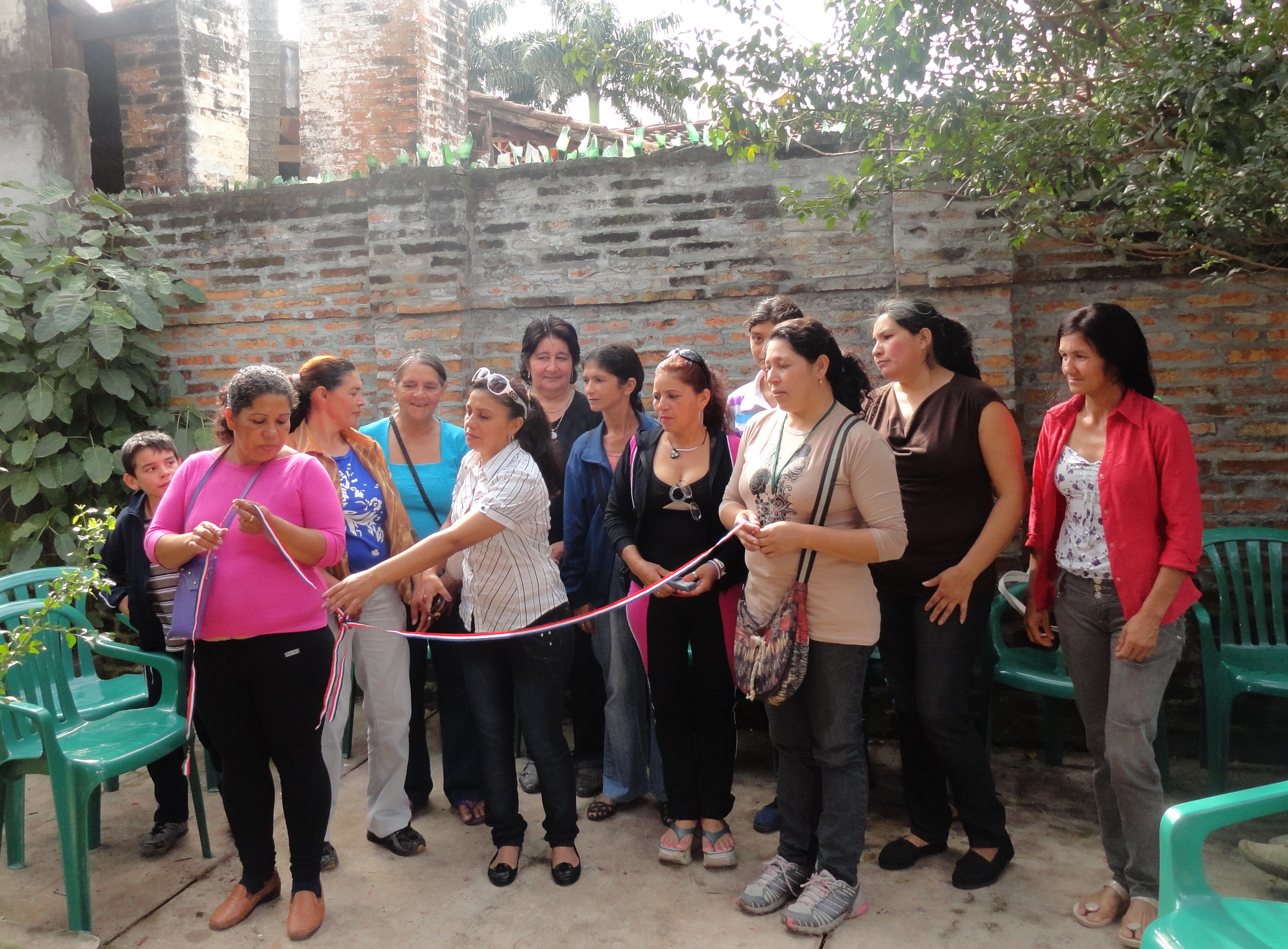
A new committee forming with the ribbon cutting ceremony


Categories: Uncategorized | Leave a comment

Ruined for Life… Casa de la Solidaridad

I arrived at Santa Clara freshmen year eager to get involved in every single possible thing. I was that girl who signed up for every single service program through SCCAP, told my friends I might not be home for break cause I wanted to go on an immersion, looked into summer options months ahead of time and was planning study abroad from day one. I dreamt of going to Spain for years and summer before Sophomore year that was my plan. I told friends in Europe I would come visit them and dreamt of falling in love with Spain.

Then I found SCCAP. A group of passionate students who helped me see the depth in my passion for serving others.  Freshmen year I spent my Friday nights in the Tenderloin of San Francsico delivering meals and falling in love with the chance to get outside of the Santa Clara bubble and see the world from someone elses eyes. I started going to LUCHA weekly, an elementary school in East San Jose and the Jesuit mission succeeded at helping me to see the root causes of the inequality.. something in me was ignited and I applied to be a member of SCCAP staff Sophomore year.

I came back from the summer with my abroad plans all set and then sat at a picnic table with my new SCCAP department as two soon to be amazing friends told me “You should really consider the Casa program in El Salvador, you can go to Spain anytime but in El Salvador you really get to know the reality of the Salvadoran people” I came home and told my best friend I might go to El Salvador and from that moment on it seemed like the whole universe aligned to convince me. Everywhere I went people told me Casa was the best decision I would ever make and it just didn’t seem like I could say no. I turned in the application following some feeling that I should but still not completely sure why. Three months later I was well on my way to being accepted and I sat in the SCCAP office as Father Mark Ravizza explained “In the U.S. we have this idea that we have to have it all together, the Salvadorans give us permission to be vulnerable” Something clicked hearing that, I needed something to allow me to be vulnerable, El Salvador was calling my name and I knew I had made the right decision.

Fast forward three months… I woke up in my house in San Salvador with rain pounding on the roof, laying in my warm cozy bed with a kitchen of food awaiting me. I wasn’t excited to hear the rain or thankful for a quiet, cozy day inside. I was fuming with anger, the angriest I had ever been.

I hadn’t been to my praxis site, a little village called Canton el Cedro, for a week because the dirt road had been washed out by the rain and it was too dangerous to drive on. I remember the first night we found out we couldn’t go and the wave of sadness I felt imagining missing a day with this community that had become home. I didn’t want to go to someone else’s praxis site. I wanted to be with my family in that little community center. I wanted to be with the screaming kids failing at a sad attempt to teach them English but succeeding at sharing in the common language of laughter. I wanted to talk with the moms while they ate lunch served by the Comedor. Sit at the lunch table with the women who work there and laugh about our silly Spanish mistakes. I wanted to go on a home visit and hear another story that left me heart broken and confused yet filled with love, hope and faith that is contagious amongst the Salvadoran people.

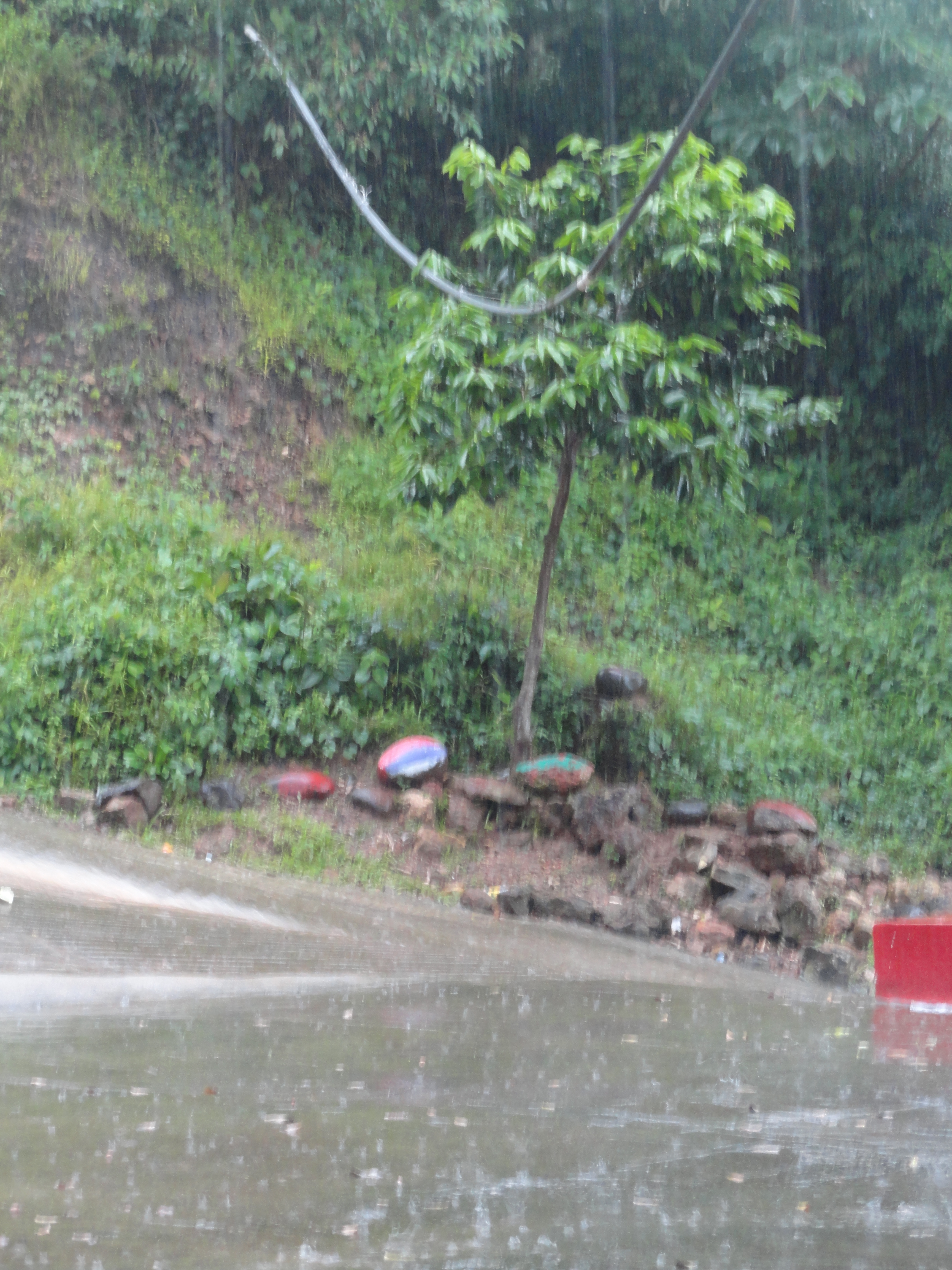
“How can rain be cozy and fun for us? At home we revel at the idea of staying inside and watching movies under big comforters… how could that possibly be fair?” Tears fell from my eyes as I was slapped in the face by the inequality of this world. For the last two months I had been fully aware of the poverty the people I had come to love were living in but for some reason it became so much more real in that moment. Rain falls EVERYWHERE I thought to myself but  when I called the people at my praxis site they said “We are cold and wet, nobody can get to work, we are running out of food. The kids are getting sick and walls have fallen in some people’s homes”. I couldn’t wrap my mind around the fact that rain…something that is completely natural, could have such different effects on people solely because of the area of the world they live in. I thought of the big screen TV’s at home that cost as much as building homes that would protect the families of Cedro from the rain. I was infuriated. I was mad at the world for the inequalities that exist, I was mad at the United States for having so much when these people have so little, for thinking rain was fun when in places like El Salvador it takes lives, I was mad at myself for never feeling this way before, for being helpless, and for being able to enjoy rain and turn on my blinders to the suffering of the rest of the world.

It rained for ten days straight. Thirty eight lives were lost and more than thirty thousand people were evacuated from their homes. We stayed in our warm houses trying to figure out what we could do to help. We sent letters to friends and family at home asking for donations but deep down we knew the problems were much deeper than anything we could solve with one time donations. The anger was ignited by a deep love for these people, a new found passion for social justice and equality. It wasn’t as easy to turn the blinders on when I could hear little three year old Christopher’s laughter or Nina Santos telling us she walked 45 minutes up the hill in the rain because “los ninos tienen que comer.”


These people had become my family and as I listened to the rain fall and all I could do was wait, I knew that I had to keep the passion igniting the anger alive. I had to find a way to carry it home with me and continue to work for equality, justice and solutions for the deep rooted structural problems, not just be angry and in tears writing letters to my family for money when it rained. The rain made the reality of poverty and inequality painstakingly clear to me and my community urged me to think about how I could take this anger home with me, what could I do with it that would be meaningful?

I spent two months after that even more in awe at the resiliency of the Salvadoran people, continuing to fall in love with them every day and I shed so many tears when I had to say goodbye. They taught me more than I have ever learned from a text book or my entire 15 years of schooling. They taught me about vulnerability, community, family, love, pride, commitment, hard work,  faith and inequality. They taught me how to be resilient and to “sigue adelante” even when to the rest of the world it seemed like there was no reason to keep going. They exposed me to my own privilege and my own poverty in light of their extreme wisdom and spiritual wealth. Falling in love with them came hand in hand with the knowledge that I would commit my life to others, working for equality, justice and the improvement of lives across the world. It was not a decision but simply an understanding, as I fell in love with the Salvadoran people I knew this was only the beginning of a journey of learning about the world and finding ways to best use my skills to serve this world.

Categories: Uncategorized | Leave a comment

Leadership Camp to International Development

Rotary Youth Leadership Awards.. summer leadership camp, scholarship, interviews, senior counselors, junior counselors, team building, learning about yourself, friends, family, love…best week of your life.

“You should apply for RYLA” my high school counselor told me. I didn’t have time in the middle of Junior year to apply for anything but she kept nagging. Little did I know that application would affect the next four years of my life in more ways than I could ever understand.  I was so nervous going in and came out inspired, in touch with my emotions and with a group of friends that knew me better than friends I had known for years.

The motto of RYLA is “Be The Change” and the idea is to motivate students to use their skills, talents and passion to give to the world in one form or another. I was learning about vocation years before the Jesuits introduced me to the famous word.  It was the first of many experiences of being vulnerable with a new group of people, talking about the pains of this world and how we would use our passion and experiences  to make a difference.  The week was packed with team building activities, inspiring speakers and reflections to better understand who we were so we could better understand our place in the world.

One of those experiences that you come out of high on new friends, inspiring speakers and being surrounded by an excited group of people, listen to the CD a million times over and in two weeks forget. But I wasn’t going to forget. In the middle of high school I needed something. Home was hard. And after switching schools I was just starting to find my niche. RYLA was mine and I wasn’t going to let go. Not to mention I had a super passionate Rotarian in my district that wanted to take it further, and I was his chosen assistant.

I came home and started an Interact club- a club for high school students focused on service and international engagement. I knew nothing about international engagement and we focused on local service but the curiosity and excitement was sparked. I applied to be a junior counselor and returned to the middle school version of Young RYLA for the next three summers. Being a counselor was even more inspiring. I saw hope in the 8th graders eyes and knew that change could come in this world. I was continuously reminded of the suffering that more people than we would ever guess live with and was surrounded by adults and peers with big dreams who gave me a space to keep following and building my own dreams.

After two years I heard about RYLA North America, a conference in DC for 18-30 year olds that reached a much larger demographic and invited people from across the world. I wrote a letter to the local Rotary club asking them for their support and a few months later was on a plane to DC. RYLA North America was a little different from the last three summers of RYLA. Much of the reflection, learning about our selves and “touchy feelyness” was replaced with brainstorming ways to take action and exploring the ways others are taking action. There were people from all over the world; Haiti, Egypt, London and many other places. We visited embassies, had sessions on furthering our service and international engagement commitment and learned about what people were doing in their countries. One of the men from Haiti talked about his country before and after the earthquake, all that had been lost and how he had to leave if he wanted a future. Attendees from Egypt explained the great inequalities and oppression they saw. Story after story of suffering was shared yet each coupled with stories about the hope they felt, the passion they had to work towards a better life for all and the actions they were taking. My eyes were opened to a world of need, opportunity and hope and I came back with a new found excitement for international engagement.  I was even more aware of the privilege I had in solely having an education and knew I had to do something worth while and I was surrounded by 50 other young people who wanted to do the same.

I came back to Santa Clara wanting to do something with this new found excitement, I declared an International Business minor in an attempt to incorporate the wise words of my brother with this new interest in the International Side. Yet it still didn’t seem like the right fit. I didn’t think I needed accounting and finance classes to do what I wanted, I want to working with the people. I searched and searched for some combination of these different passions, needs and skill sets and with the advice of a few graduating seniors stumbled upon the Individual Studies program. After months of brainstorming, creating class lists and talking with different professors I declared an International Development major.. hopeful that this mixture of classes would allow me to supplement my passion for serving others and learning about the world with a skill set that would allow me make it into a career.

Categories: Uncategorized | 1 Comment

Shoot for the moon…

..even if you miss you’ll land amongst the stars

How did I get here you ask. So many moments, people, questions, inspirations. But the base of it all starts with my family. Especially my mom and brother, my greatest cheerleaders. They are the most fundamental reason I am where I am today, the reason that it seems like I just keep wanting more, going bigger, desiring to continue to learn. They ingrained in me that the possibilities were endless and nothing could get between me and my determination to be anything I wanted to be.


” We will make it work” she always told me. Growing up in a tiny mountain town the chances of being stuck in the bubble were very high, but my mom never let me forget that I would get out and see the world.  She taught me to appreciate that sweet, cozy little town where everyone is family yet in some magical way made me very aware that there was more to the world and my life would not stop here. I always knew I wouldn’t go to high school in Leadville, there just wasn’t enough money or resources to challenge me in the way I needed to be challenged. We started looking in sixth grade but I just wasn’t ready. We kept looking but she never pushed me. Then one day I sat in the car with tears in my eyes after another boring, frustrating day at school, fighting with girls about things that didn’t matter to me and feeling like I didn’t fit it. The small town just wasn’t doing it for me and I said to her, “I’m ready to go, I’m ready to switch schools”. It became a marathon to find the right fit, send the letters needed to get me enrolled and find a way to get me to and from school an hour away over a mountain pass everyday for the next five years. “We will make it work” she said when it seemed so complicated and when I was so afraid of leaving. She knew it would be better for me even though I was afraid of not making friends, not fitting in, not being able to do well in school. She  committed herself to giving me a better education, more opportunities and the first of many big steps to broaden my horizons. She encouraged me to get involved in anything I was interested in and was always there to support me however I needed her. A friend asked me to come to Mexico with her and then another asked me to come to Germany. I thought there was no way, my family didn’t have the money to send me on international trips I was sure. Thanks for the invite though. Yet she came through as always”We’ll make it work, these are opportunities you cant turn down” and she found a way to make it work.

At the bottom of it all was a desire for me to see the world, to be exposed to all the differences, beauty and pains. She  made me aware that it all existed right in our back yard as well. Her sensitive, nurturing and all accepting nature taught me that we are all human, that we all deserve to live happy lives with the things we need. She exposed me to the inequalities and injustices and responded to them with a love and tenderness she had for all people. She taught me the importance of living for others and opened my eyes to the many places where my education, ability to give to others and love was needed. And she never let me stop growing.

When the search for colleges started I had always wanted to come to California. The world told me it was too expensive, my school counselor told me it was too hard to get in, my friends told me it was too far away. Everyone in the world gave me a reason I should just stay in Colorado “you don’t even know what you want to go for, why go so far away where its so expensive, what if you don’t like it”  I was discouraged from following my dream over and over, but never ever once by mom. “We will make it work” she said. She wanted me to go, to keep broadening my horizons, to be challenged and be some where with more opportunities, more newness and more growth than I could find in the schools all my friends would attend in Colorado. We went to college fairs, spent a week driving from San Francisco to San Diego looking at colleges and looked high and low for options. We fell in love with Santa Clara together.. it just felt right. And while so many people said we couldn’t do it she promised “We will make it work” she never wanted me to miss an opportunity because of money. There are always ways to get scholarships, aid, etc and it will be worth it she promised. She encouraged me every step of the way and supported me in a thoughtful way that gave me a trust that things would work out.


Then there is my brother. Eleven years older ,he has been a role model for me as long as I can remember. He set the tone of how the Maddex’s would live. He was dedicated, hard working, so smart, involved and so very loving to everyone he met. He went to school at a different high school and told my parents I had to do the same, there was just so much out there. Through ski racing he traveled all over the world and he too, had a passion for service. I always wanted to be just like him, and he taught me about the world from his phone calls from across the world or just from Loyola Marymount where he did his undergraduate. He majored in sociology and psychology, things I always had an interest in, started a mens service organization and felt the Jesuits had given him so many opportunities. “Look into Jesuit schools” he told me and I found Santa Clara. He, like my mom, told me I could do or be anything I wanted and the fact that he had gotten out of Leadville, survived the challenges that were happening at home and continued to give himself to others inspired me to do the same. Everything he was doing seemed so exciting and he motivated me to keep working hard, applying, and involving myself in new and different things. There was even more to this world than I had seen and through his experiences with at risk youth, working in East LA, interning as a counselor in a high school and a million other things he gave me a concern for those who were struggling way more than I was when things were so challenging. He taught me there was more out there and I could get there.
He graduated form Berkely with a Masters degree in Social Work. But he didn’t just want to be a social worker. He talked to me about burn out, his student loans he had to pay off and his desire to combine the public and private sector. He taught me that money, although frustrating, is necessary and that it is there, so we should be able to find a way to use it for good. He wanted to make a real difference and felt like if he went right into social work he would loose his passion. So he took a job in sales, something that threw us all for a loop. What was he doing, I couldn’t quite understand. But it was a job, he needed money, and a mentor had told him he should learn about the business world. Again, there is money that should be put to good, its just a matter of understanding where and how to get it. That’s what he hoped to do in his sales job.

In the meantime I was trying to choose my major. Pulled to sociology but fearful I wouldn’t be able to eat if I just did sociology. He saw so much value in it and knew I was passionate about it but at the same time encouraged me to see what else was out there. He was starting to see the value in business and believed real change could come from a combination of the two.  He moved to a job at Sales Force where he would be selling the cloud data storage system to non profits and higher education, one step closer to his desire to combine the two. He talked to me about business, social enterprise and the ways I could take my passion for serving others and combine it with knowledge of business to make a true difference. I was skeptical the whole time, his point was valid but business was so boring to me. I declared an international business minor after hearing him talk about how valuable it was, but just a few months later decided it wasn’t the right fit.. We have had a million conversations about money. How much of a pain it is, how we grew up without much and how frustrating it can be to work with people who grew up with a lot, about how it creates problems but most importantly how it can be useful, it is necessary and the organization and understanding of business is beneficial for the well being of people if you can just use the money the right way.

Through his experience and the hours and hours of advice he’s given me I began to see some value in money and business still with an undertone of skepticism but a desire to learn more, to explore and be open to the ways in which it can benefit society. He got me excited about service and going outside of my bubble and then made me look at in a new way. He challenged the ideas that direct service was the only way to make a difference and that money was all bad, an idea I had developed from growing up without enough money and a sense of envy turned frustration towards the way money is unequally divided amongst people. From a young age he continued to challenge me and when I started to completely question capitalism, business and the misuse of money he reminded me that we are living in a world where money matters and we might as well make good use of it. He showed me how to think outside of the box with a shared passion for people guiding conversations about how we would change the world, how we would shoot for the moon.

My mom and brother taught me to be creative, to see outside of the bubble I was living in and always be in touch with a world beyond myself. They helped me to challenge the expectations and limits the world was putting on me on dream big, allowing me to go bigger and learn more at every stage in my life. They never let my heart or mind sit stagnant challenging me to think bigger, challenge myself and continue to give to this world in the best fashion I could.

Categories: Uncategorized | Tags: , | Leave a comment

Hello world!

Welcome to Blogs@SCU Sites. This is your first post. Edit or delete it, then start blogging!

Categories: Uncategorized | 8 Comments