Kinship: Not serving the other, but being one with the other- Greg Boyle, SJ.

Whenever I’m asked if my experience this summer changed me, my immediate response is “Oh yes, completely!” But I could not, for the life of me, verbalize how. I have finally realized that my experience abroad did not change me, rather it defined me. I had no “coming-to-Jesus” experience abroad. No one moment stands out as a turning point in the way I see the world. This is because the way I see the world has always been the same. It’s the way that I see myself as a part of this world that’s grown. I was never taught that the world was filled with rainbows, sunshine and unicorns. My family made clear to me that there was great suffering as well as great hope in our world. This reality was made evident in my experience this summer in Kolkata, India.

I was taught very clear values from a young age, before I could even process or understand them completely. However, these values and how I want to live them out were defined for me this summer:

  • In justice: I was raised to believe that those of us who have opportunities in life need to speak out and fight for those without opportunities. Abroad, I bore witness to a community working tirelessly to advocate and support those who had never been empowered before, to see their hard work come to fruition. These people work so hard because they know it’s what’s right.
  • In solidarity: I was taught that no one’s race, ethnicity, culture, or religion makes them any better or worse than me. Abroad I felt solidarity. Young men and women that I had no similar background to, were my equals, each of us bringing our own unique gifts and talents to the table.
  • In compassion: I was raised to stand beside those around me that were going through hard times, to be a source of comfort and love in times of need. Kolkata taught me that compassion is seen when someone helps you for no benefit of their own, but only out of the love and respect they have for the human person beside them.
  • In service: I was taught that service is good for the soul, it not only makes an impact on those you’re helping, but it nourishes you and allows you to be grateful for your blessings. Kolkata taught me what it means to serve and be served. There were countless examples of strangers and friends going out of their way to make sure that we were safe, fed and enjoying ourselves. In our 2-months of service in India, we certainly would not have survived without the daily acts of being served by the very individuals we anticipated to serve.
  • In community: I was raised with the notion that it takes a village to raise a child. After this summer, I had to ask myself- if it takes a village to raise just one child, what does it take to raise an entire country? My answer, everyone! I solidified what it meant to be part of this global community this summer after feeling an undeniable sense of comradery with people who had nothing in common with me at surface-value. It takes each of us doing our parts, using our gifts and talents if we are going to tackle the issue of raising entire nations out of poverty.

While I was raised to have a sense of all of these values, being abroad brought to light their importance in my life and my passion to live them out in whatever I choose to do.  This fellowship taught me about social entrepreneurship. This concept fulfilled a wide gap in my understanding of doing good for the world. The only previous experience I had with serving the poor and marginalized in the developing world did not seem to be doing a significant good to the community. This summer’s experience, as well as my studies of other successful enterprises, taught me that doing service in another part of the world does not have to be through churches and mission trips for a few days a year. There is a way to concretely address the needs of each community while still maintaining a sustainable platform to help lift people out of the trappings of poverty. Methods of social entrepreneurship are how I see solidarity and justice for others paired with service-learning leave a lasting positive impact on our world. One thing is clear to me, weekend trips with friends do not meet the needs of the world, and we cannot go on pretending they do. But now I’m aware that these are not the only options for trying to do good.

As for the impact this fellowship had on my vocational discernment, I have decided to spend more time focused on what matters most to me in this coming year. I’m looking and applying for opportunities to complete a year or two of service in a poor and marginalized community. I see a growing need in myself to be more fully immersed in an understanding of the needs of the world before I try to jump in to fix them. I am passionate about the impact education has on access to opportunities in life, and providing fair and equitable access to education, regardless of background, income, or race. I see education as the clear route to freedom and I want to play a role in freeing those who have been marginalized by the institutions that chain them down. In my work this summer, I was gifted with my first chance of standing in front of a classroom and both teaching and learning from the students that sat in front of me. That day energized me and excited me with a deep understanding of the potential education has on each one of us. It made me appreciate the accessibility I’ve had to learn and develop myself and strive to provide even a foundation for learning for all who seek it.
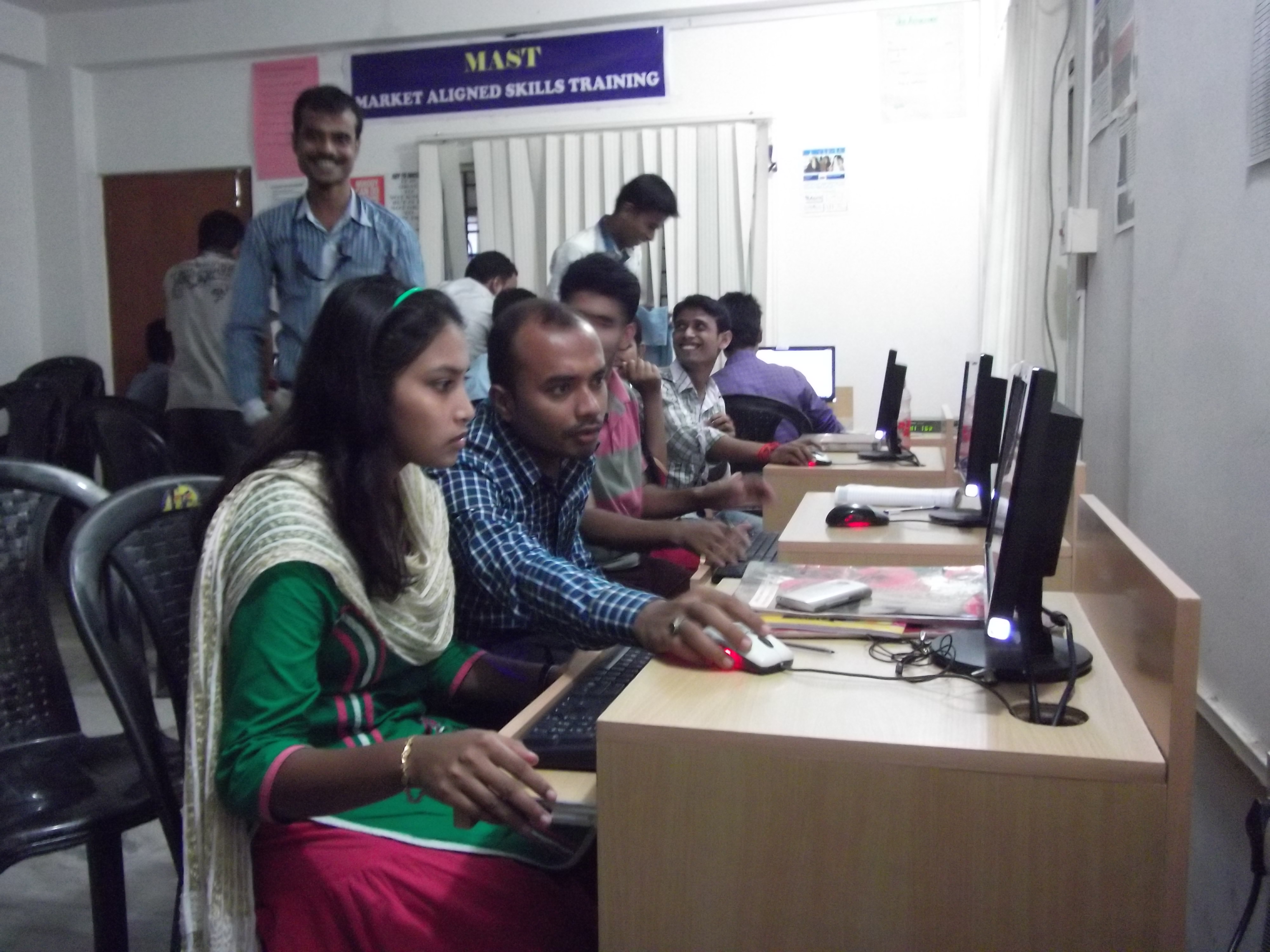
This picture shares a glimpse of the promise for passionate and life-giving classrooms where students are eager to learn everything they can.

This picture shares a glimpse of the promise for passionate and life-giving classrooms where students are eager to learn everything they can.

I have always connected whatever faith I have to a sense of social justice, but this past year has taught me that faith and a belief in the love of God is useless without action. My Jesuit education and the values I defined through the course of this fellowship have instilled in me the desire to “go forth and set the world on fire.”- St. Ignatius of Loyola.
Posted in Uncategorized | Leave a comment

Just Like Us

I walked into a room, smaller than my college dorm room and was immediately greeted by 15 young women with giant smiles and bobbing heads. I was ushered to one of the two old chairs in the room, one for their “impressive” white guest and one for their trainer, a Hindu woman who was well-educated and devoting her time to teaching English to a small rural community of Muslim women. These ladies were born and raised in Metiabruz, many of them had never left the geographical constraints of the Muslim neighborhood. The trainer and I sat elevated above the 18-24 year old women who giggled while calling me “Ma’am”.  It was their very first day of formal English class. They were already learning how to speak of their goals in English. It was in preparation for interviews in the IT sector. I tried to say encouraging things to keep them from being shy and timid but they were worried to mess up their limited, yet impressive English around me. As they became more comfortable, several of them shared their goals and desires: to make their families proud of them, receive a useful education, and be a strong and caring, but independent woman. These women that live on the opposite side of the world from the Silicon Valley and my home, that dressed in all black, covering their faces, and even at times their eyes, that had a different religion, culture, and understanding of the world, had the same goals as me and my 20-year-old friends.

I’ve heard countless times in blog posts and by peers who have traveled to the most remote villages in the world that they have this life-changing realization that people in these communities are somehow “just like us!” But were they? I had just traveled across the world through a program at my prestigious private university in California and my highly developed critical examination of issues facing those defined as the ‘global poor’. To say the young women in Metiabruz were ‘just like me’ would be a grave exaggeration and a disservice to the unique experiences and outlook they share with one another that makes them so different from me.

We visited them during Ramadan. As I sat in the classroom listening to them banter back and forth in Hindi, Bengali, and broken English, I noticed my stomach growling so I reached for the granola bar in the front pocket of my backpack. I pulled apart the chocolate chip peanut butter Chewy bar that I bought in the Safeway in Santa Clara. It wasn’t until I got ¾ of the way through my delicious, yet not completely filling granola bar that I realized the women were eyeing me in longing. It wasn’t because it was a Chewy bar and that was their favorite brand. It took just a moment for my completely ignorant move to click in my head. These 15 women sat in class in solidarity with one another through this special month of fasting, where they did not touch food or water during the daylight hours. They did this for God. They did this as a community; and I was reminding them of just how different our worlds were as I ate my American granola bar. I have never been able to withstand a single day of fasting, not even in my dire attempts of becoming a better Catholic every time Lent rolls around. These women were different than me. They were in ways stronger, more disciplined, more committed to their faith and their community. To say they were ‘just like me’ would be not only wrong, but insulting to them.

Nevertheless, their smiles, their excitement at meeting someone different than them, and the nerves they faced in talking to a special class visitor were all somehow universally present whether in Metiabruz or a classroom in Monterey, Ca. They were intrigued by our differences, as was I. And once they stated their goals of becoming strong, independent, and thoughtful women, making their families proud, and breaking boundaries of what is expected of them in their communities, I noticed an underlying commonality. Regardless of the different worldviews, the different religions, customs, and traditions, something deep tied us to one another.

I still do not fully understand why this moment sticks out more clearly than all the rest when I think about what I learned from my time in Kolkata, but something about it challenged me. I now embrace that our differences define us as communities but our similarities define us as humans. In this, we are all uniquely and fully human beings.

Although it’s safe to say that even 6 months ago, I believed somewhere deep down that there was a common thread that connected us all as human beings, no matter what our differences or backgrounds, it certainly came to light in this encounter. I learned that it’s this deep core connection that helps me feel pulled to learn about people, especially their differences and their backgrounds. I grew in my understanding of what it means to be human, and just how universal that is to us. That’s what makes us interactive beings. That’s what helps us connect to others, even when we are on the opposite side of the world. That’s what made this experience so much more than just going into a new city, doing a research project, delivering a product, and believing that I saved their world. Their world, their life, their core, is mine.


Posted in Uncategorized | Leave a comment

Finding my way home

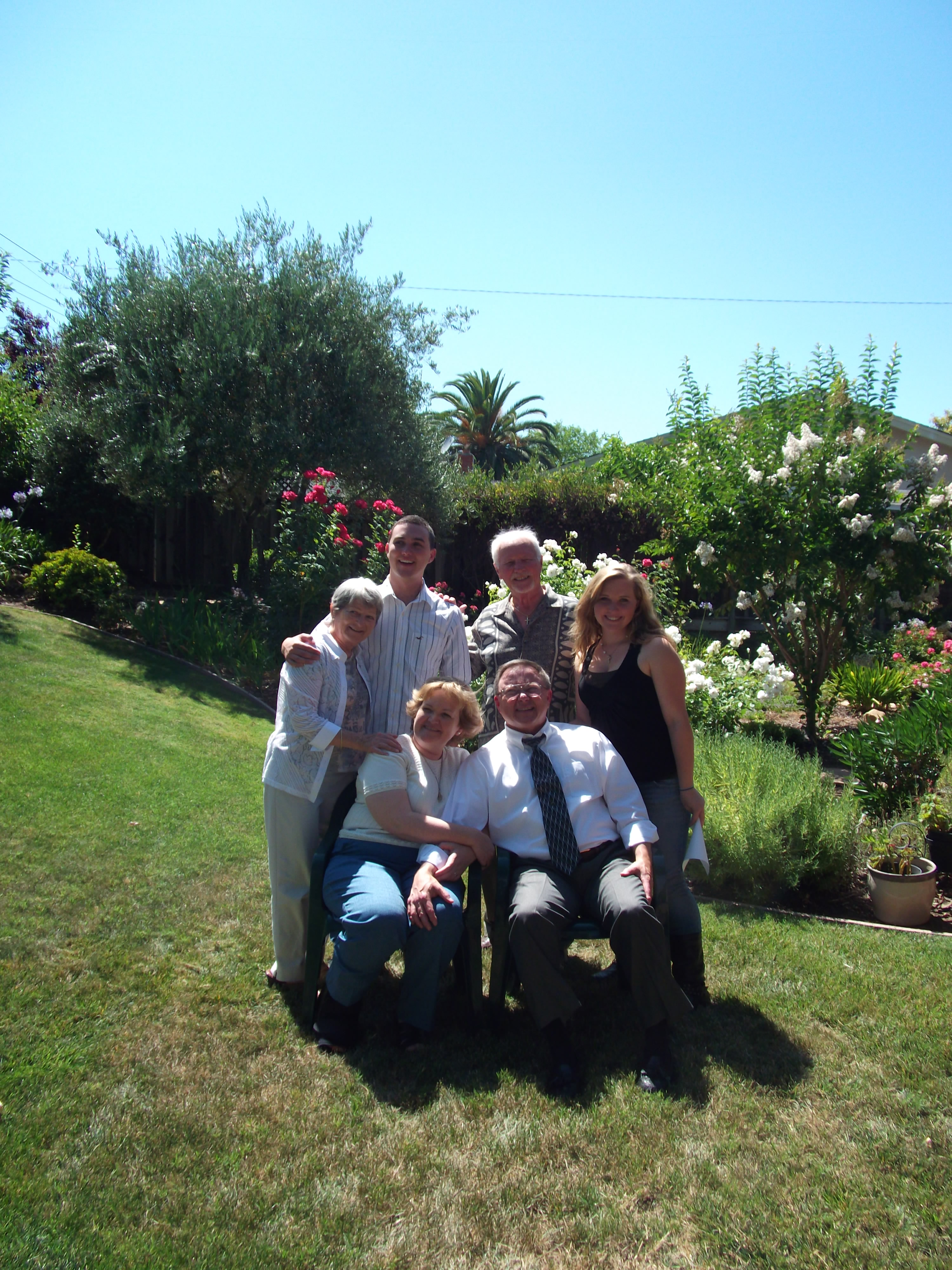
Figure 1: my family - these are the people who taught me how to love the world with passion and fire, unconditionally, the way God loves His world.

Figure 1: my family – these are the people who taught me how to love the world with passion and fire, unconditionally, the way God loves His world.

I was raised by your average Irish Catholic parents, and by average, I mean radically progressive and globally, socially conscious parents. Some of my earliest memories from childhood involve helping my dad serve at the soup kitchen he ran in Washington D.C. The homeless men that walked through our doors opened me up to a world vastly different than my own. As I sat at the tables with them, trying to stay out of my dad’s way as he worked, I learned to appreciate their stories and relate to their hardships. These men taught me at an early age that the life I was blessed with didn’t get handed to everyone equally. This was one of the best lessons my parents could have provided me with, and they did this by introducing me to the world around me.

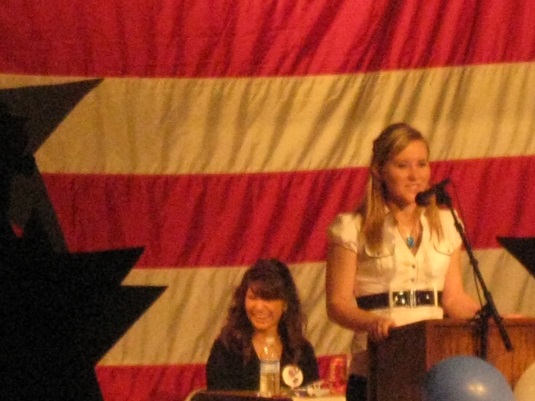
Countless people used to tell me I was going to grow up to be a social worker, a psychologist, or an urban school teacher. While these are all noble careers, I was not overly excited about the career path my friends and family had prescribed for me. Throughout high school I found myself actively trying to change the current structures in place around me that appeared unjust. I ran for Speaker of the House of my high school and became the student representative on the County School Board. As I attended weekly meetings  with the elected local officials, I challenged them, questioning why our students weren’t receiving the same educational opportunities as other districts in our area. My high school was struggling academically, and therefore financially, after No Child Left Behind legislation went into effect.

Figure 2: Running for Speaker of the House with the goal of providing all students at my school with the support to get to college.

Figure 2: Running for Speaker of the House with the goal of providing all students at my school with the support to get to college.

I noticed from day one that certain students, those with college-educated parents and who were driven academically, had all the resources they needed to succeed. Students who did not have this privilege fell between the cracks without any support from the administration to help them aim for college. As I watched some of my close friends slip through these cracks and not receive the necessary support to get themselves out of their cycles of poverty, I knew that education was the key to helping people help themselves out of poverty. I am still guilt-ridden as I see my high school classmates post Facebook statuses about their dreams that they don’t have the tools or opportunities to turn into reality without a college education.


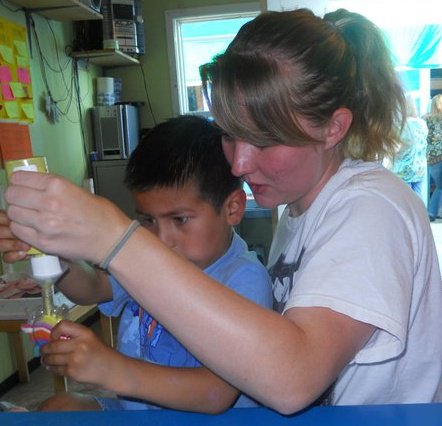
During my Junior and Senior year of high school, I went on mission trips to Rosarito, Mexico. While there, we served in orphanages, helped build shelters, and spent time in the local community. Both trips lasted for three days and were filled with praise and worship, prayer, and fellowship. I was totally entrenched in the mission of doing service for those in need. Both times I came back though something did not sit right with me. My youth pastor and my church praised us for doing good work for those less fortunate and told us that we were great young men and women of God. I struggled after the experience with what “good” I actually did while I was there. Yes, we helped lay brick and clear bush from a construction site—but anyone could have done that. Yes, we played with the kids who were parentless and lost—but they would never remember my name, their lives were not changed by my weekend visit. Regardless of my field trip, these children were still in poverty, they were more than likely going to struggle to find livelihoods and support their families as they grow up, and their lives were not changed because I sacrificed one weekend of my senior year spring semester to go down to Mexico with friends. While I will always remember Javier, the 4 year old who was crying in the corner from a cut knee as I first arrived at the orphanage, Javier does not remember me. When I left Mexico to go home, Javier stayed in the orphanage, not knowing that his mother, while still alive, did not want to raise him as she worked on the streets of Mexico. Ever since these experiences, I have realized that mission and immersion trips are intended to change something in us, not those we are coming into community with.

Figure 3: Javier and I making sand art in Rosarito, Mexico- Spring 2010

Figure 3: Javier and I making sand art in Rosarito, Mexico- Spring 2010

I quickly realized that service for the sake of self-growth was not what I was looking to do with the rest of my life. I did not want to travel the world to simply witness poverty and heartache. I want to be a part of something that helps people find ways to lift themselves and their families out of these poverty traps. I want to work to develop strategies that will end poverty, not something that places Band Aids on the existing inequalities of our world. Now, as I look ahead to my life after college, I do not know exactly what I’ll be doing but I do know that everything I do will be driven to make our world more equal.

I first heard the term “vocation” through my involvement in the Christian Life Community at Santa Clara University. I struggled for years before trying to mend my passion for serving the world with society’s focus on paychecks and brand name clothes. Reflecting on my vocation taught me that the tugs on our hearts matched the needs of the world where God is calling us individually. For me, this involves providing access to education and livelihoods for those around the world whose talent is being held captive by the chains of poverty.

Figure 4: Regarding the equality of education and empowerment of women

Figure 4: Regarding the equality of education and empowerment of women

Posted in Uncategorized | Leave a comment