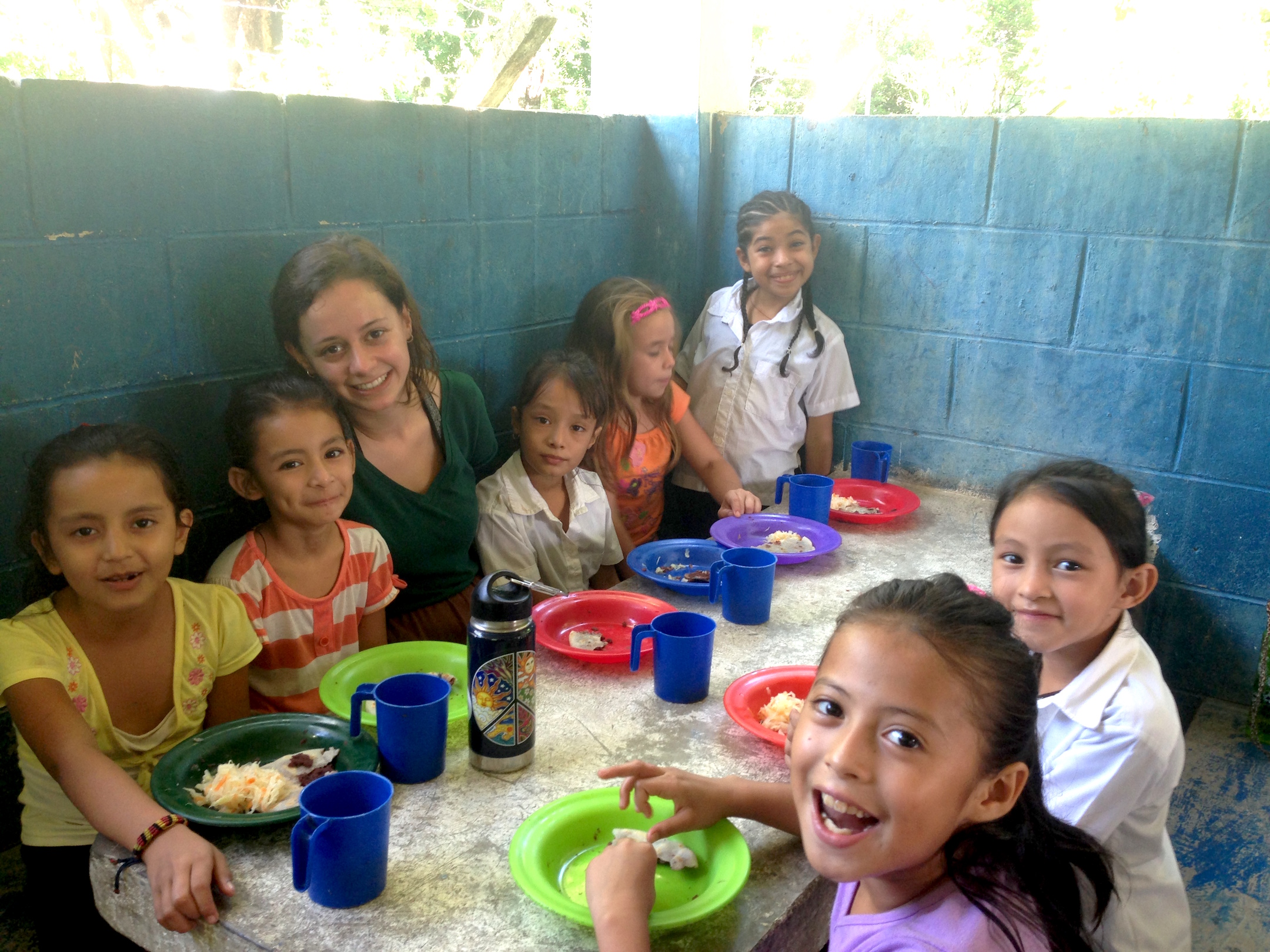
I Follow: Justice, Self-Awareness, Entrepreneurship

9 months later, here I am. I am sitting at my computer writing the last in a long line of papers and written pieces in this fellowship. Over 9 months ago was when I felt a pull towards this fellowship. I like to think it was God giving me a little nudge, an invitation to a new opportunity and possibility. I followed, and I’m so glad I did.

I find myself thinking about pre-departure days sitting with Microsoft Word doing research on South Africa, comparing and contrasting different forms of educational enterprises to see differences in strategy and thinking, writing my first vocational piece.

I’m will be honest: it’s going to be very hard for me to encapsulate all that I’ve learned from this fellowship. Indeed, some things I’ve learned about myself and the world are unconventional and were unexpected, and I faced many challenges that I didn’t know I’d be able to deal with. I will do my best to be genuine and true through this piece, and to try to express even an ounce of the gratitude I feel.
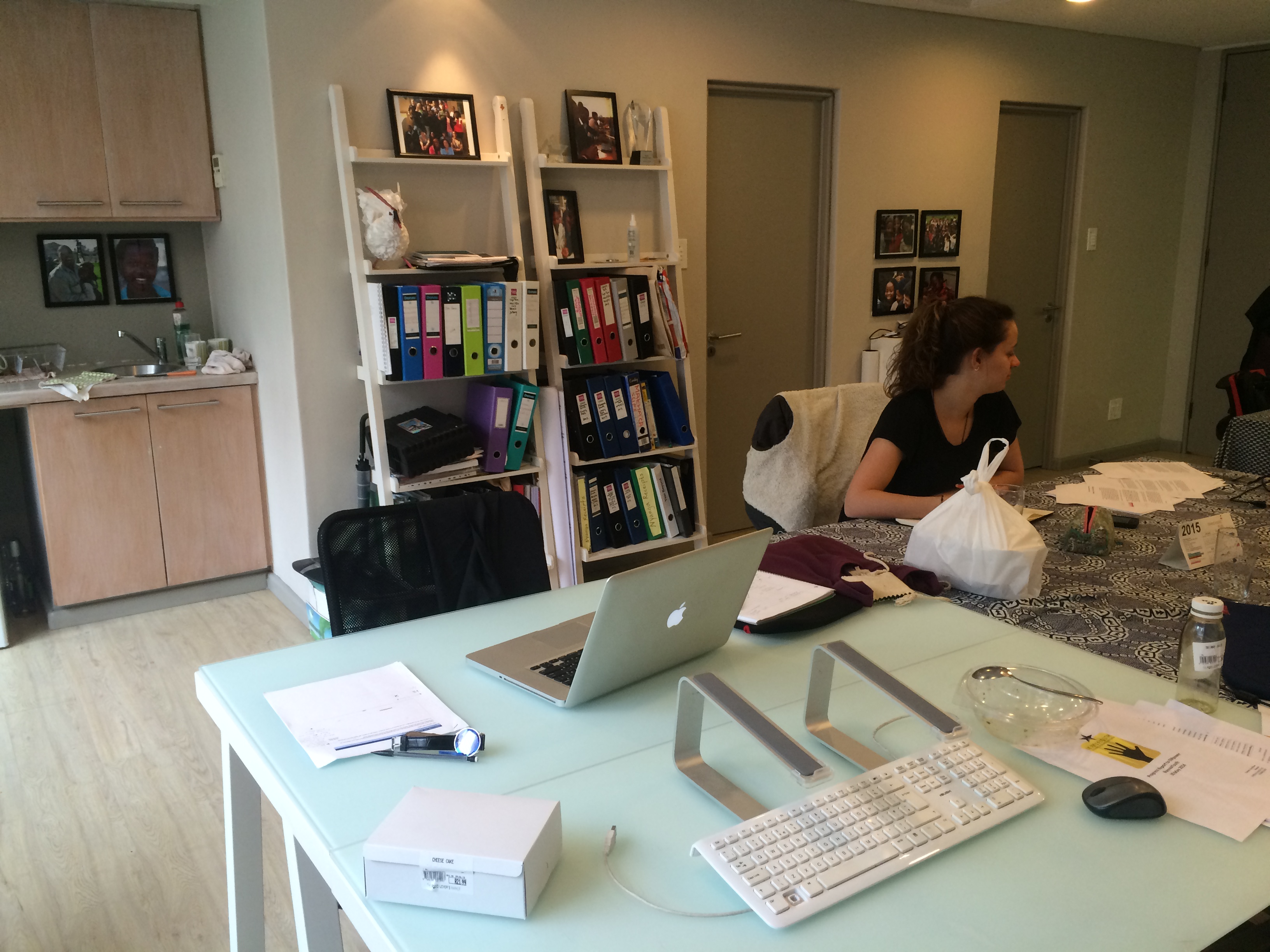
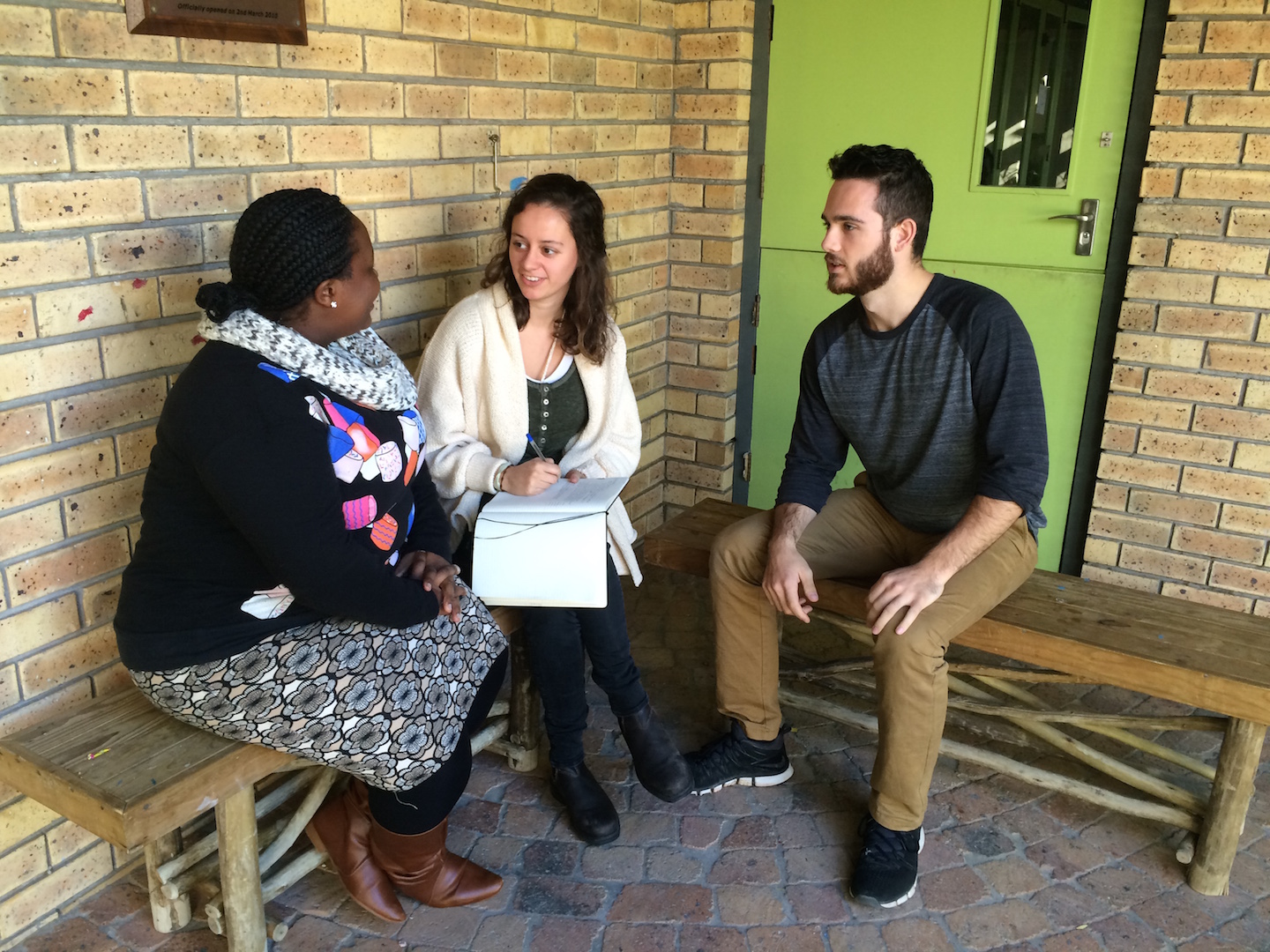
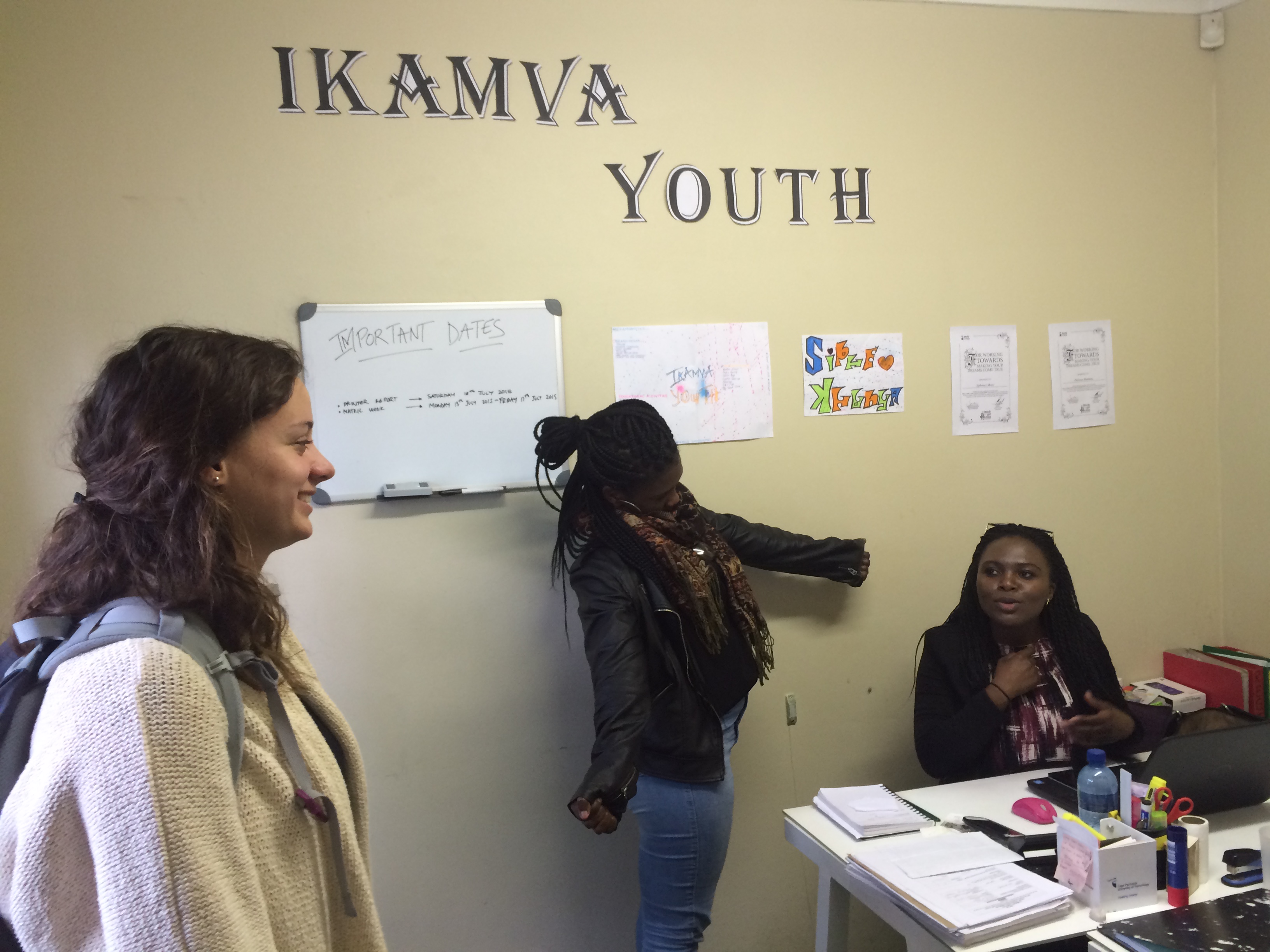
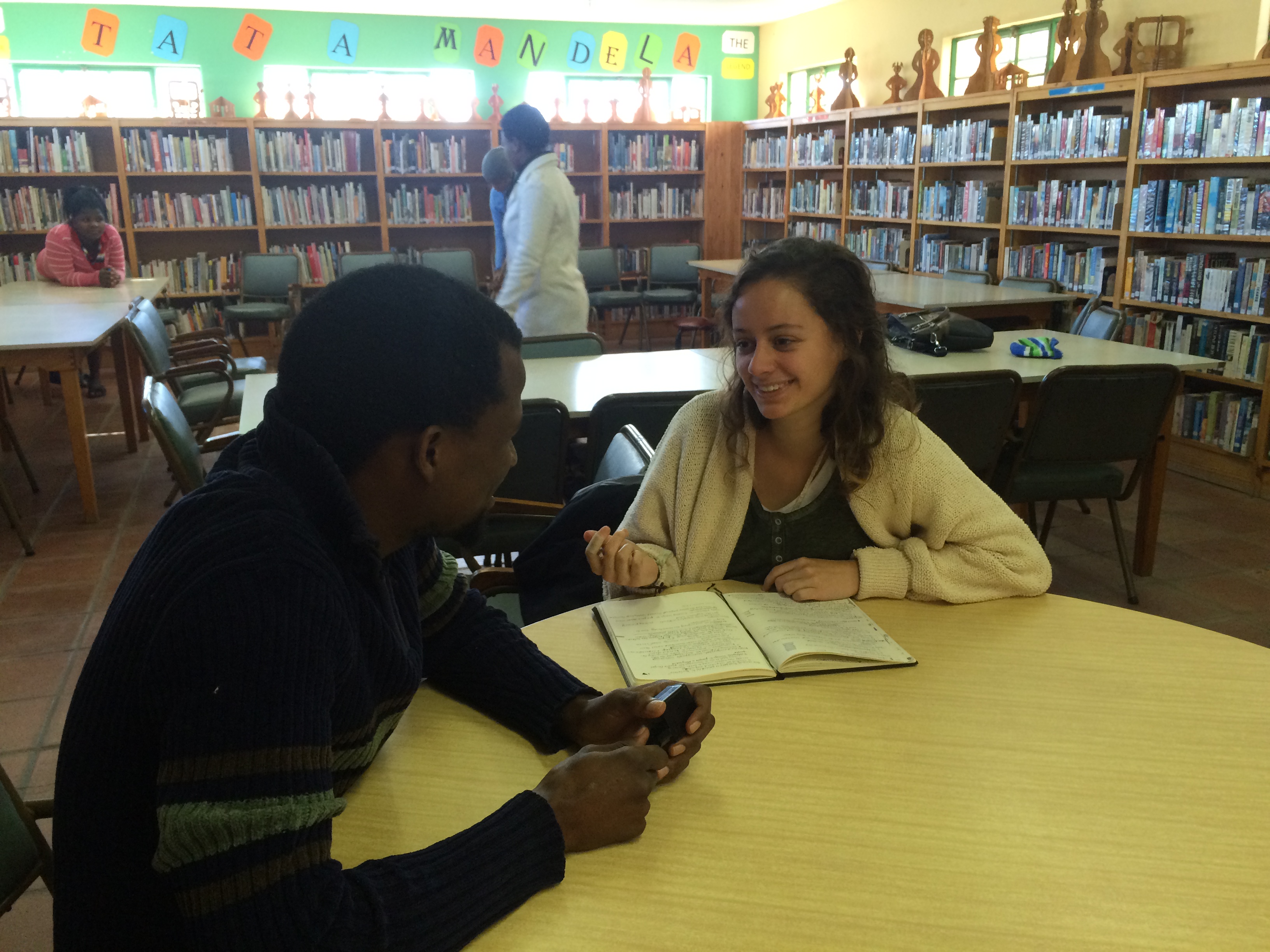
One of our first days visiting the IY headquarters

Entrepreneurship

I don’t know if I necessarily have an itching to be a social entrepreneur. Maybe some of that has to do with the fact that I don’t enjoy financial risk, and that I don’t like being the center of attention as well. Entrepreneurship is something I’ve always simultaneously admired and thought was crazy, but what if you don’t have to start a business to have entrepreneurial spirit inside you?

Was I supposed to come out of this fellowship wanting to be a social entrepreneur? At the beginning, it felt like that was the point. Was I disappointing? Am I not “up to par” with the entrepreneurs of the world? Should I be more daring, more reckless, more willing to give up what I know for an idea? I don’t necessarily think so; I don’t think those are the key take-aways from entrepreneurship.
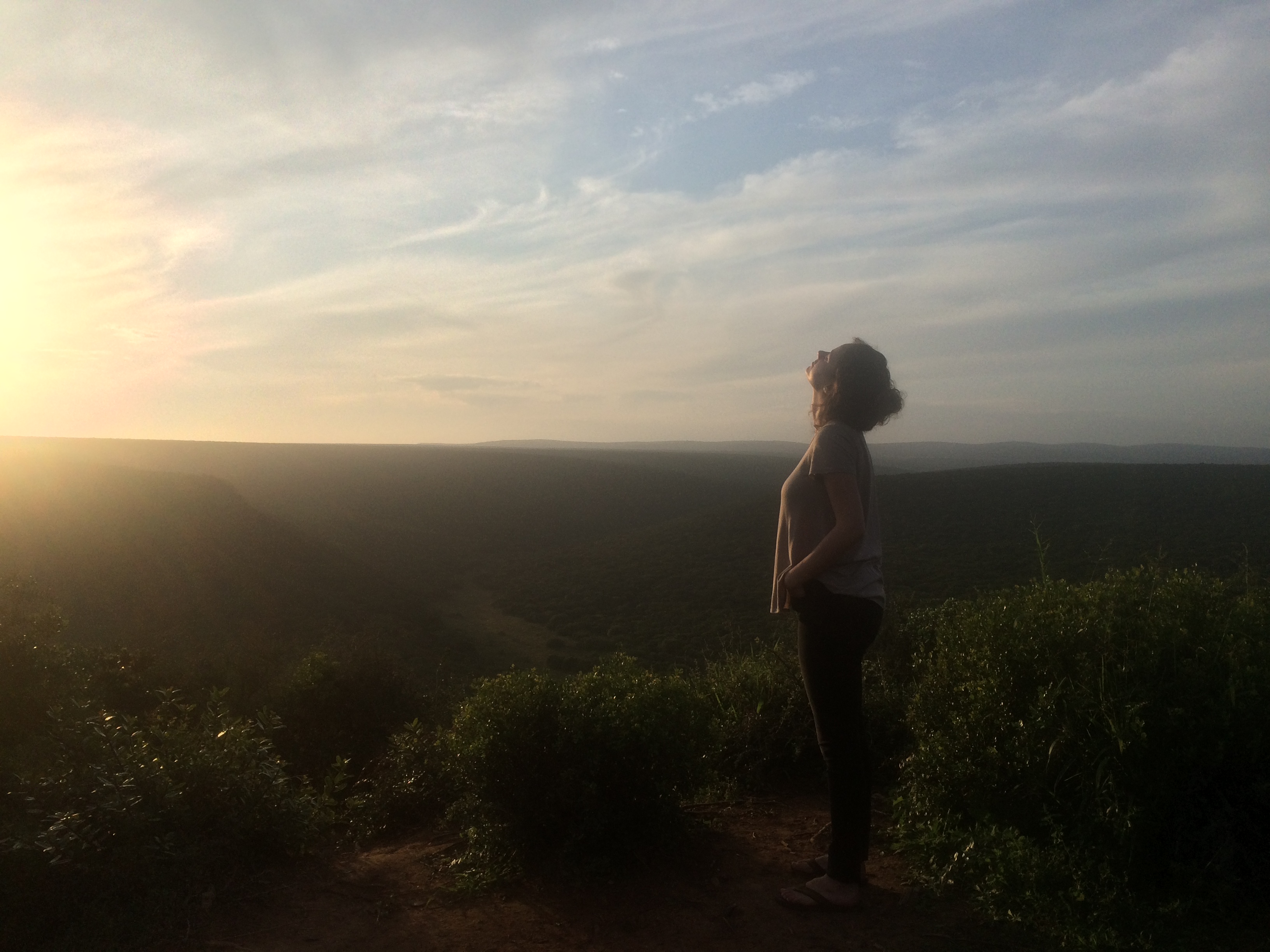
After a day visiting a national park with Jake.

I have an innovative, creative way and that carries into every part of my life. I am a problem-solver, not a complainer. I am a motivator and a realist, but I am also cautious. I think in big, grandiose ideas, but I am careful to carry out the ones that aren’t realistic. Perhaps I limit myself in that; who knows. I am an engineer, an artist, a minister, a design-thinker. I love to work with people and to be on the ground, and I am also capable of working from the base. I think I can carry my problem-solving, strategy-creating passion into any part of my life.

“Real” Problems

I’ve found in myself that I will be unsatisfied if the work I ultimately do in life isn’t in the service of real problems. As I’ve gone through the motions as an engineer at SCU, I’ve found how easy it would be to just slip through the cracks, indulge in my schoolwork in classes, and come out believing that what is most important is making the most money. Sometimes that’s what a lot of teachers teach, and sometimes that’s what I still believe. And yes, I need my work to matter.

The flip side of this is the utter importance that is put on finding the job of your dreams. Sometimes a job is just that: a job. If I need to save money for awhile, so be it; that is life. However, if there’s anything I’ve learned from these amazing experiences in the fellowship and in other opportunities I’ve had, I now feel the responsibility to give of myself, the best of myself, to work that matters, when I have the choice.
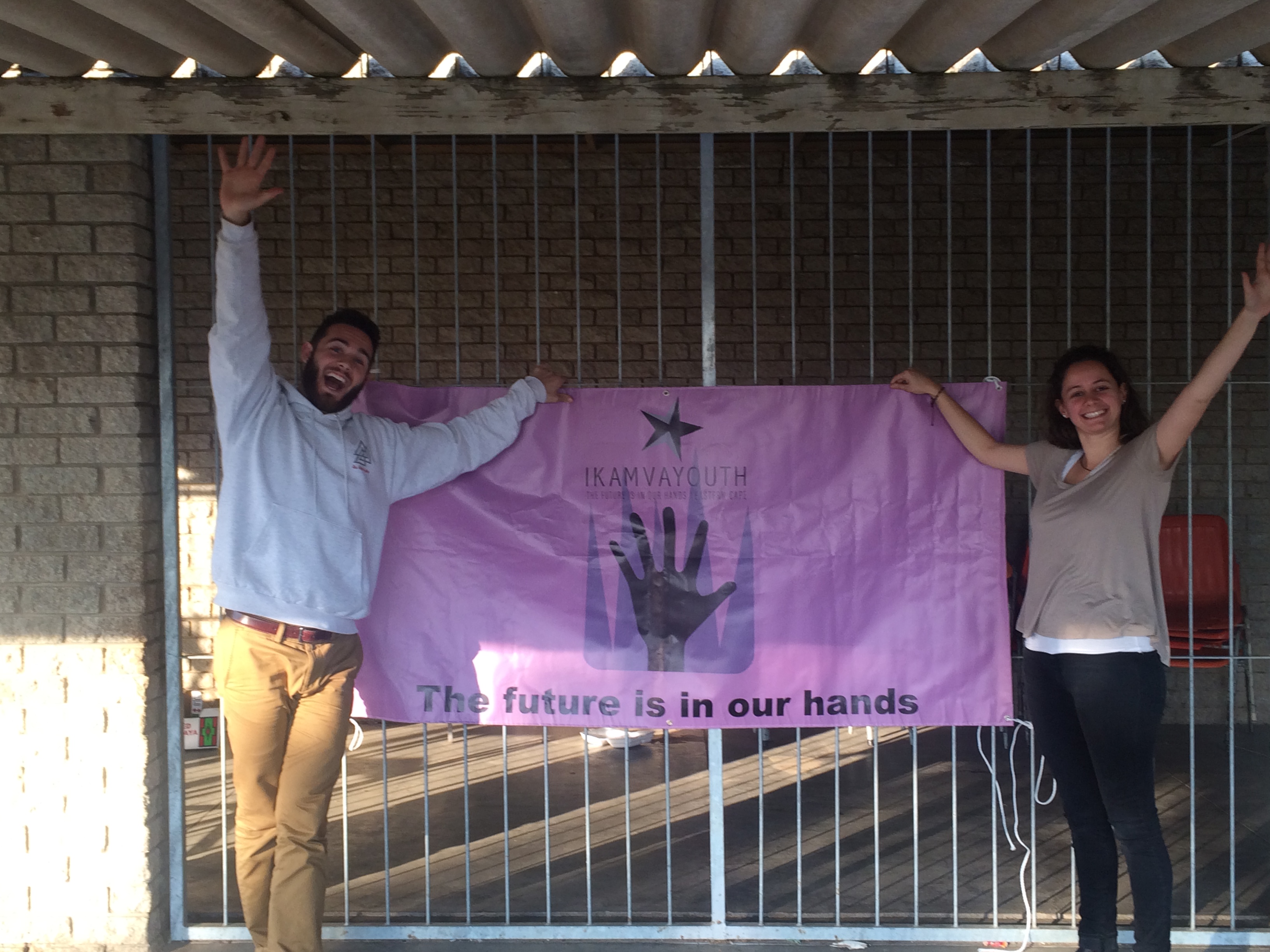
Our last day at IY's Joza branch in the Eastern Cape
Our last day at IY’s Joza branch in the Eastern Cape

Community

Nobody can change the world by themselves. I’ve found a community of like-minded individuals who all feel the need, the pull, the responsibility to be active members on this planet who want equality and justice. We work in teams, and we are different; we have new ideas and we balance each other out. We can inspire each other and we can meet new “heroes,” who usually end up being normal people. (Funny how that works.)

A Jesuit once told me that to do justice, you need to be surrounded by justice. You can’t do justice alone; you’ll burn out. Community plays such an important role in the idea of moving forward and making change. I now know of networks of people who are interested in these real-world issues and have dedicated their lives to changing this.

Travelling

Simply the act of travelling has allowed me to learn so much. When I travel, especially alone, I find that all I know and am comfortable with is stripped away, and I am left with myself. This, of course, begs the question of who it is that I am.

When I travelled with Jake this summer, I learned what it’s like to spend hours upon hours per day, every day, for weeks on end with one person that is very, very different from me. Besides Jake and my way of joking together and being able to have a great time, Jake and I had our differences, and I had to learn how to communicate with him and let him know when he crossed a boundary unintentionally. This took a lot of strength for me and learning how to process through feelings of entrapment and a bit of loneliness.

Loneliness. This was an interesting part of my experience in travelling. Loneliness that I felt at times was undeniable; I missed my family and my friends back home. I learned how to be my own support system when I needed it. My relationship with God held me up at times when I needed it, and I was very sure about staying in tune with myself and what I needed.
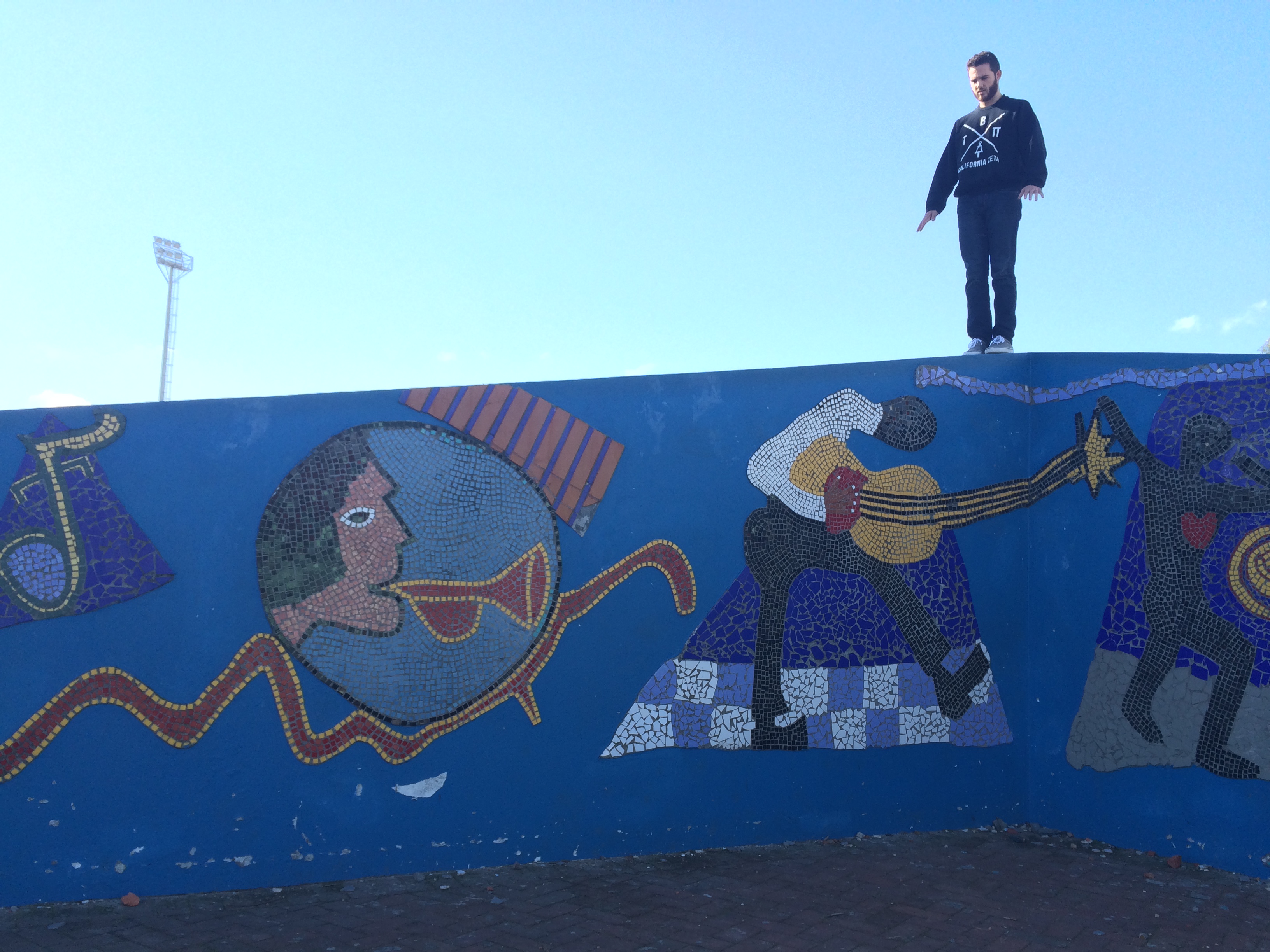
Jake climbing the beautiful mosaic wall at the Nyanga branch, the Zolani Centre

Self-growth

A lot of self-growth took place through this fellowship. In an attempt to encapsulate it, I realized strengths that I didn’t know I had and saw that I am capable of a lot more than I thought I was. I saw my ability to discern, my ability to support myself, my ability to be physically strong and willing. This fellowship was an intense turning point and, in many ways, a strong beginning point for a whole new way of Kate that I didn’t know was there.

Probably due to many influences in my teenage years and in my growth as a woman in engineering, voices constantly tell me that I can’t do it. I was simply not born strong enough, willing enough, powerful enough, smart enough. These voices have been proved wrong.

Justice

A large, if not the most important, theme of this fellowship is justice. We know that not all people are born into fairness and equal opportunity; this is the essence of social construction and institution based on that construction.

I often think of a quote by Dorothy Day, and wonder how it matches up to social entrepreneurship.

Don’t worry about being effective. Just concentrate on being faithful to the truth.

– Dorothy Day

Wait, what about impact assessment? What about entrepreneurship in building new and innovative businesses to effect the largest amount of people possible? Isn’t that all I’ve been taught?

Let’s break down the quote.

What is this “truth” she’s talking about?

Maybe she’s talking about the truth, the reality, of the world. The truth will set you free. Truth, reality, suffering, love, pain, poverty, awe… these all introduce us to humanity, give us empathy, and show us the road to connecting to our brothers and sisters around the world. The truths of people’s realities and lives, the truth of death and birth, the truth of poverty and riches. The only way to make people’s realities better and more humane is to know these truths and to see these realities.

What does she mean by “effective”? Why shouldn’t I worry about it?

I believe she’s talking about our temptation to be effective first. We attempt to stretch ourselves thin, to sprinkle ourselves over a large group of people, and try to solve a problem that may not be there. In being too effective and attempting to reach too many people, maybe we lose the truth. In inflating too high off the ground, maybe we lose reality and knowledge of the base. In putting effectiveness over truth, we lose truth. But in keeping truth paramount to our ability to make change, we can, in turn, be effective.
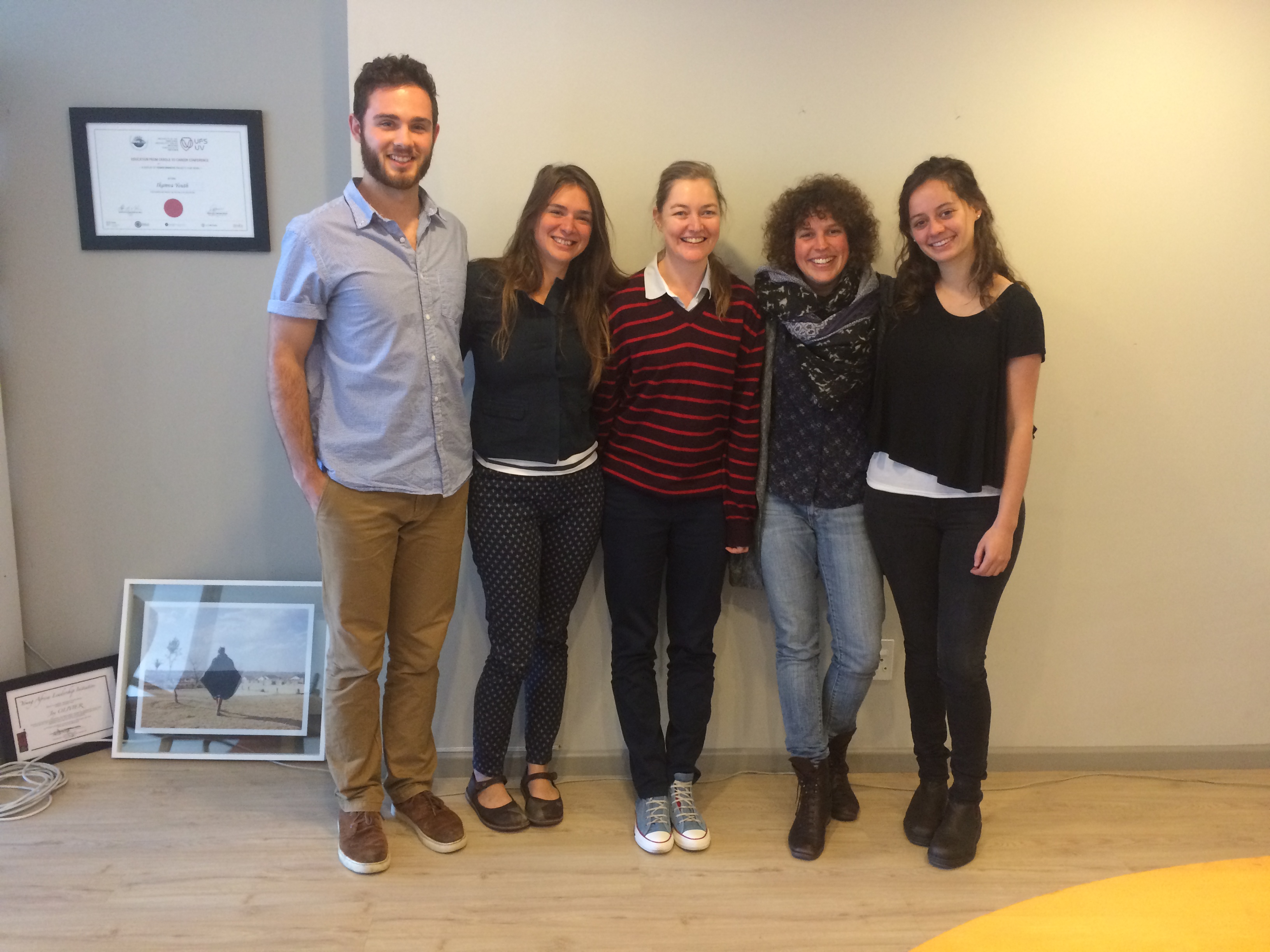
After our final presentation to some IY national staff. Left to right: Jake, Alex Smith (Fundraising Coordinator), Joy Olivier (Co-founder and Director), Zoe Mann (Community Coordinator), Me.
After our final presentation to some IY national staff.
Left to right: Jake, Alex Smith (Fundraising Coordinator), Joy Olivier (Co-founder and Director), Zoe Mann (Community Coordinator), Me


What does justice, self-awareness, and entrepreneurship look like in my life? I’m not quite sure yet. I am confident that I will receive nudges from God, small windows and doors to climb through. When I follow my compass, what I believe God is telling me, wonderful things happen. All I need to do is follow.

Thank you, countless thank yous and blessings to everyone who has made this possible. Thank you Keith and Thane for your wisdom, intelligence, and training for how to stay calm when put on the spot. Thank you Jake for, just in who you are, showing me who I am. Thank you Zoe for being receptive to our input as researchers and for responding to ways in which we identified that we could help IkamvaYouth. Thank you to Joy and IkamvaYouth for giving us the opportunity to work with you and your wonderful, amazing tutors. Thank you mom and dad for blessing me with love and support and for being the first people who showed me what it looks like to live for others and for love. Thank you Dr. Figueira for encouraging me to apply for the fellowship. Thank you Nic for being a constant source of support and love in my times of homesickness. Thank you Amanda for your friendship and support. Thank you Katie and Emile for your excitement, expertise, and support in our deliverables up until the very end. Thank you to Serena, Paris, Shelby, Lindsey, Tom, Andrew, Christine, Christiane, Misja, Will, Jana, Maggie, Gogo, Brooke, Elizabeth, and Paul for being a constant inspiration and community to keep each other up when the fellowship work got hard, to keep each other in our thoughts when one of our placement apartments catch on fire, and to talk about things that matter. Thank you Santa Clara University for providing me support, funding, guidance, and wonderfully amazing people and communities to continue to grow into the best version of myself and to live in service of myself to the world. Thank you.
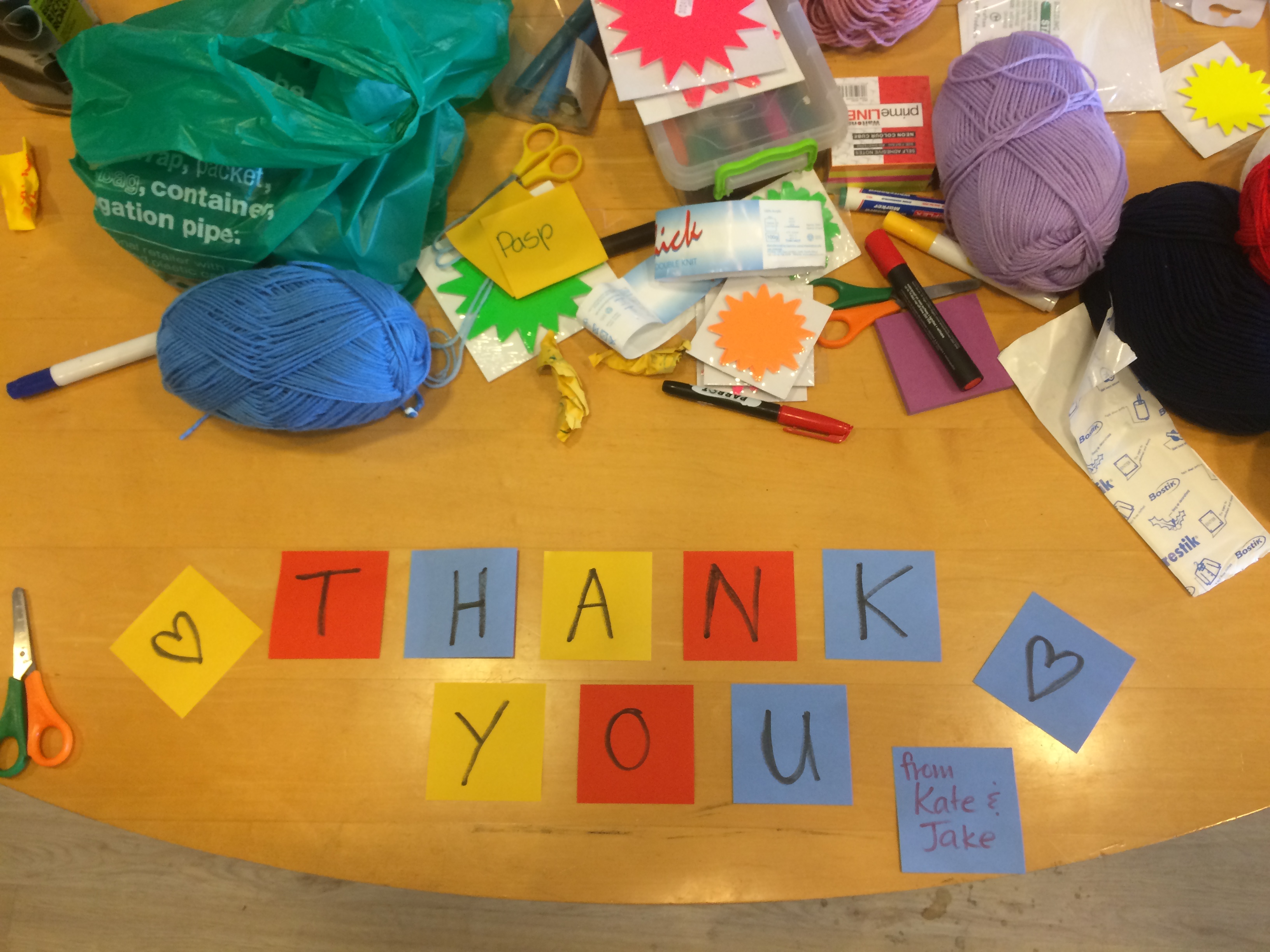
What we left for them on our last day at IkamvaYouth.

Anger, Connection, and Normal-ness


My third blog post.

It’s been a few weeks, but I can say that I’m back in the U.S., adjusted (almost adjusted to school starting again), and thinking over my experiences in South Africa. Thoughts of confusion are still there; how I felt when I was there, who I met and what they meant to me, and the work I did.

I’m going to start at the end.

In August, when all the fellow had returned from our respective countries, Fr. John Staudenmeier from the University of Detroit Mercy, came to visit us and talk to a few of the fellows. I and two others were able to have a conversation with him. When we sat down together, after he had introduced ourselves, the first thing he said was, “I know everyone here has been asking you to talk about your summer and your deliverables, and you’re probably used to that by now. I want to hear the hard stuff.” He was asking us to each tell a hard story from our time there, or a story about someone we met. For a moment, I internally panicked.

I have no hard stories! I don’t have a transformative moment where one of the tutors came up to me and told me how much tutoring meant to them, or a learner who I had the chance to witness breaking down in tears because of how much they valued their education! Everyone else has those stories, why don’t I?! Did I do something wrong? Did I do my experience wrong? I’m supposed. To have. A story.

He talked a bit more and told a story of his own, and gave us a bit to think. I purposely waited to go last, and when it was my turn, I sputtered out, “I… I don’t really have a specific story, we really did a lot of work and talked to people and I spent a lot of time with my research partner, and we had some rough patches but it was fine, but other than that… I don’t know…”

Then, I started to talk about what I saw while I was there and what I noticed. I talked about the District Six museum and about the townships. I talked about the Eastern Cape and about listening to the students talk about their teachers not being there for entire terms. I talked about the feeling of driving into a township and then returning home at the end of the day to my daily routine of the air-conditioned gym and our apartment in the nice neighborhood of Gardens. Through all this, I found myself crying.

I’m crying! Why am I crying! Sorry everyone, I don’t know why I’m crying!

Fr. John prodded at me more and more, and asked me to explain how I felt and to use adjectives that could encompass my reaction. I thought of words I could say, and I said angry. Disgusted. Frustrating. Unjust. Confused, helpless, torn, angry. Angry. Angry. Angry.

Angry at the state of the townships, angry that I had the privilege to go to a comfortable apartment at the end of the day and a car to drive around in to “shield” me from “them,” angry at the idea that a child who happens to be born in a township has a monumentally small chance of getting into college compared to a richer–often whiter–child. Angry. There are very few times in my life that I’ve felt such raw anger like that, so much to make me cry and for my face to turn red and for my palms to sweat. I was angry.

I’ve been feeling that anger for a long time now, but I think that moment showed me how unprocessed that anger was and how much I hadn’t reflected on it or realized it. Even through my time in South Africa, I’ve felt a distance from it, something I could never explain, and I think I’m realizing that South Africa gave me a slap in the face, over and over, and I’m just now realizing that I’ve been slapped.

Ikamva21
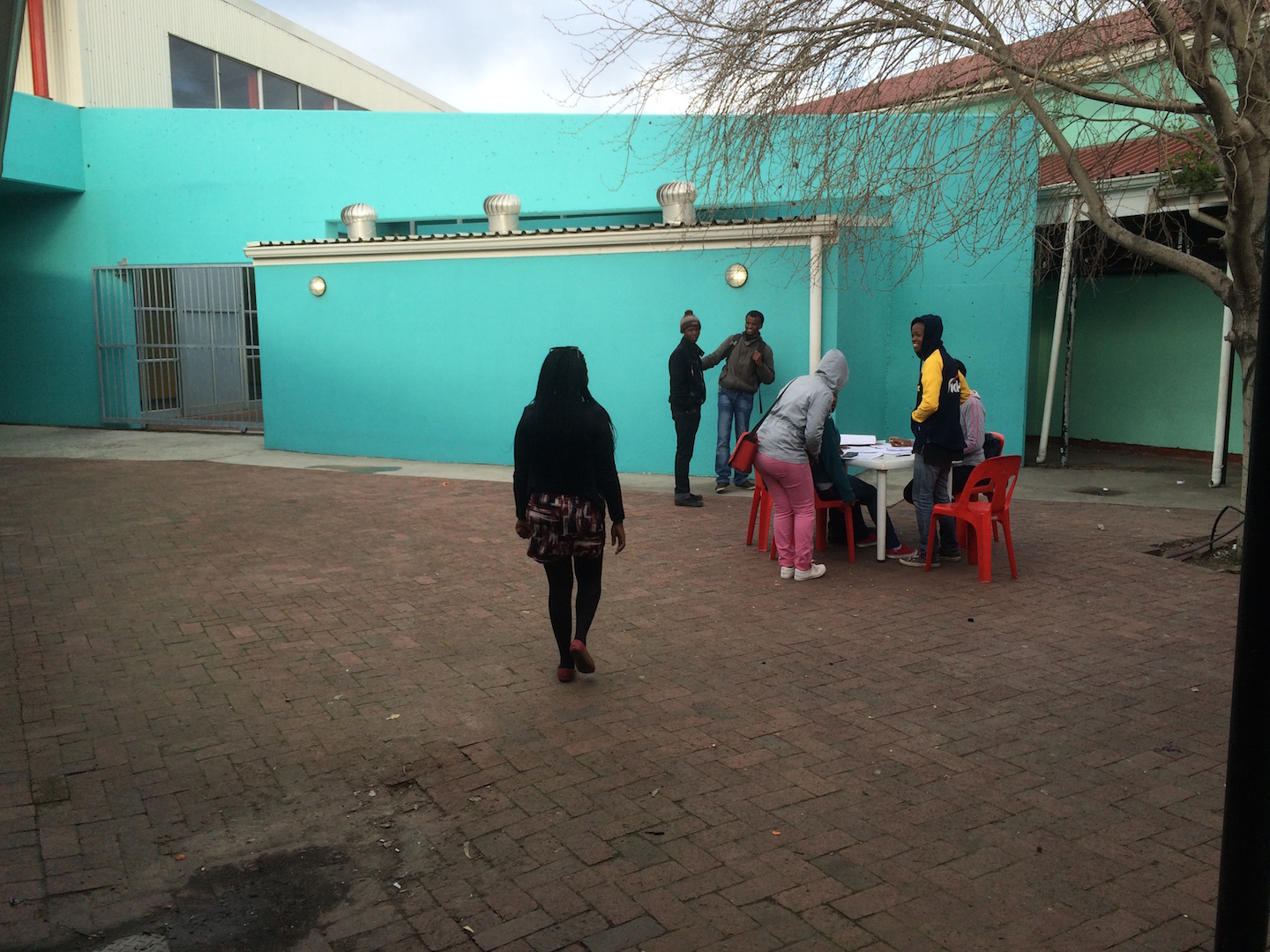
Nokukhanya, the Branch Coordinator at Nyanga, walking towards a group of students at a table in the middle of the courtyard

I grew up in Alameda, California, which is quite literally a bridge-crossing away from East Oakland, which is infamous for its crime, poverty, and less-than-average education system. Alameda seems like a “haven” away from East Oakland. I thought I knew what it’s like to grow up next to injustice, but it’s so easy to shove it away, cover it up, pretend like it’s not there. Who am I kidding? I didn’t grow up there or live there for a long period of time. I know my safe neighborhood where I can walk around at night by myself. Even when I was in El Salvador, I think I paid more attention to the beauty of the place than the corruption hidden underneath. Even though I was working in rural areas, there’s a part of myself that I shielded from the knives of privilege and poverty. I guess.

I know what poverty is and I know what injustice looks like, I have known that. What I do know is that coming back from South Africa, I feel angry, with a kind of freshness that I haven’t felt in a long time. This kind of anger is saying to me, “Wake up. Act now. Be here. This is real. I’m real. Stay awake. This is injustice. You can’t leave now, you’re in this. Be with me.”


If you want to see what someone can really do with their mind and their talents, give them tools and an opportunity to use those tools.

Backtracking to the beginning of my time in South Africa, one of my clearest memories is their talent show at the end of Winter School. There was singing, dancing, poetry, fiction, rapping, and debating. This was all fantastic, and I remember it so vividly. These high schoolers acted not unlike the friends I remember having when I was in high school. Everyone’s a little self-conscious, your identity is linked to the clump of people you’re standing with, and everyone wants to be the coolest. It’s a marvelous sight to see slightly post-puberty young people. (That’s a little sarcasm – it was more funny than marvelous.)

Jake and I interviewing Zuki at the Masiphumelele branch

Surrounding the time of the talent show, listening to and interviewing the tutors, we were able to view how the tutors felt both about the learners and about their own lives. It was clear that these were strong, ambitious, smart people with a bright future ahead of them. It became clear to me that IkamvaYouth was not just a tutoring program, but a place for these kids to gather and feel at home: a really successful after-school program. I felt so connected to them, the tutors, as I remember coming out of high school and wondering what to do with my life as well, what to dedicate my time to. The biggest difference between them and me was our upbringing. Almost all of them came from disadvantaged communities, townships, and had a supbar education. And, for almost all of them, IkamvaYouth was a source of support and encouragement.

Me with Naledi and Nokukhanya, talking and hanging out

I noticed this in the Eastern Cape branch as well, which was much more rural than the Western Cape branches. Part of me was deeply inspired by these young people and the hardships they had overcome and worked through to get to school, and part of me was struck by the normal-ness of the situation. I was able to create meaningful connections with tutors who came from a completely separate background than I, but we were able to find common ground. They had experienced injustice and hardships in their lives that I had­ – and probably will never have to – experience, but the connection was much more real than any social barriers that might have stood between us.

Ikamva05 (1)
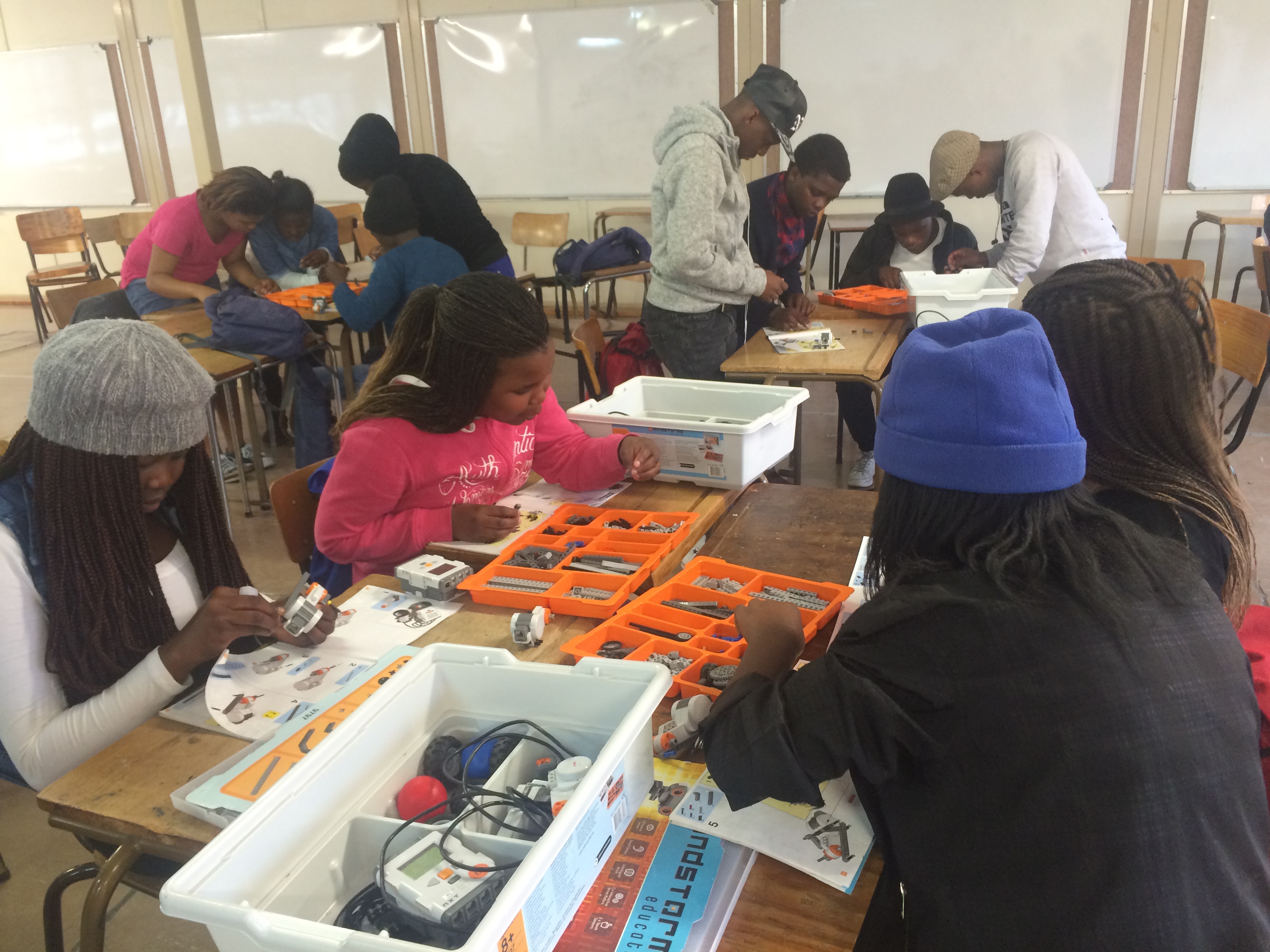
Looking in on a lego-building workshop for the learners after a day of tutoring at the Nyanga/Makhaza Winter School

I was careful to not impose myself, but to still be a constant figure. I wanted to start my time by what I call the “ultra-receiving” phase, when all we did was take in what was around us and to have our faces be seen, but not try to do or say a whole lot just yet. Just take in everything and soak in the environment and faces and culture, and then start to transition. I was as sensitive as possible to the reality that we were outsiders and we could not simply pop in when we pleased.


I’m not sure what the future holds for me, but I know that I could never be satisfied doing a job that solves problems for people who don’t have them. I want to help solve real problems. This anger that I have, this fresh, fiery anger that gives me energy and keeps me going, can be my friend. It’s not a cruel anger; it’s a helpful anger. It allows me to see the world clearly while allowing myself to be a peace with the life I’ve been born into.

I know that I want to use my insights and skills that I’ve gained from this experience and combine them with my talents somehow. I know I have a passion for design and technology and how that can help solve real problems, but how that relates to my summer experience is yet to be solved.

I found the peak of my passion for social justice in South Africa. How to practice that passion and live it is the next step, and I’m so looking forward to it.

Constant Process

Blogging is difficult.

This has been my first blog post after being in Capetown for about five weeks, I find a tug between different things I should write about. I’ll start with a poem I recently found in the District Six Museum. District Six is the former name of an area in eastern Capetown where tens of thousands of its inhabitants were forcibly removed under apartheid. The museum is made up of historical facts, newspaper clippings, photos, and other mementos that previous residents have brought to the museum in order to keep the memory of this area alive.

“Lydia In the Wind” by Lueen Conning-Ndlovu
The wind is a wounded witness
She will not be still
Not until we are listening
Are we listening
Will we recognise her
Circling the crevice
Between two worlds
Our reality and hers
Howling around this empty plot
This hole in our history
Can we hear beyond our fears
The wind is a haunted woman
She is wild with rememberings
Singing the truth and the tragedy
Of our buried heritage
Our slavery
If we do not know we are free
She is held captive once again
This tie by a broken chain of events
Our degrees of amnesia
The root of her dis-ease
Her feet are bleeding
From this haunting dance of grief
She will only know relief
When all our ghosts are put to rest
When their stories are collected
Returned to their place of honour
Recorded in our history
Embedded in our memory
Bring in the light of consciousness
Who was she
Who are they
Who are we
And with this unveiling we see
The awesome dimensions
To this family
We are uncovering the path
Of recovery
And in the questioning
Comes the who am I
Out of the listening
Comes through you am I
Through you am I

Overview

Winter School

Our time here started out packed with activities. Jake and I did a few tourist things here and there, as he studied abroad here and knows his way around. He showed me lots of places and great hikes, and I tried to soak it all in. It was overwhelming at first. Then, we were able to meet staff members of IkamvaYouth including Zoe, our supervisor. We now know the main office in Capetown, which is small, humble, and pleasant.

Over the next few weeks, Winter School started, which is a period of two weeks during South African students’ three-week winter break where Ikamvanites, or participants of IkamvaYouth, are required to attend rigorous tutoring at a local school or university. We were able to attend tutor training for Winter School, which was our first real introduction to any youth or students associated with IkamvaYouth. The first day was held at Masiphumelele branch; it was a small gathering, but it was fun and informative. This was a good chance for us to introduce ourselves, get to know people and hang out, and also to start getting survey results. The following two days were similar: the trainings for the Nyanga and Makhaza branches.

From here, things sped up; for the first week of Winter School, Jake and I were in the Eastern Cape at the Joza branch, in Grahamstown. We got to see how IkamvaYouth really functions. Granted, this was the first Winter School ever held by the one Eastern Cape branch, and it was hectic; Jake and I helped out here and there, and got to know the branch coordinator, Buli, and her assistant, Nkosinathi. We started interviewing the tutors, which was lots of fun and very tiring. Jake and I started to notice patterns in our work style and in our talents for working together, and we developed a good way to conduct interviews together. This first week was fun, hectic, and an immense learning experience for me, and for Jake as well.

I noticed how the Eastern Cape was also much more rural compared to the Western Cape. The Joza branch Winter School was held in the local high school, Nombulelo High School, in the Joza township, and it overlooked rolling hills, sweeping fields, and open sky. Cows and donkeys walked through the campus at their leisure, and goats picked around in the trash. The atmosphere was slow, steady, and open. I once pointed to a donkey and laughed about how it was swinging its head and making such loud noises, and one of the tutors laughed about how funny it was that it was so normal for them, and so odd for us.

At the end of a long week of work and recording interviews, we headed back to the Western Cape. For the second week of Winter School, Jake and I switched between the Masiphumelele WS, which was held at False Bay College in Fish Hoek in a few classrooms donated to them, and the combined Makhaza/Nyanga WS, held at University of Western Cape in a few small school buildings.  Jake and I got very used to setting up camp in new places, whipping out my notebook whenever needed, and conducting interviews upon interviews in the little time we had.

Interviewing Farai at the Masiphumelele branch

Winter School was exhausting, as anyone at IkamvaYouth can attest to. Some of the staff members say it’s the most stressful time of year! I learned so much about the tutors, the kids, and the IY culture. Our days were made up of quick interviews, some group discussions, and packing as many qualitative times with people into those two weeks as we possibly could, and our nights were made up of deciding how we felt about our interviews that day, what we noticed, what we needed to change about the next day. These two weeks also revealed the real relationship that develops between the tutors and the learners. It was spectacular hearing about how much each tutor deeply cared about the learner they were tutoring and that real incentive to be there. The ex-learners said this as well; they expressed how they really longed to give back to Ikamva after Ikamva had given them so much. We also got to see the talent show at the end of Winter School, which was a testament to the real spirit of Ikamva and the environment that Ikamva is able to provide for everyone who’s part of it.

Matric Week

This one week followed Winter School for IkamvaYouth; this was the week specifically for Grade 12 learners preparing to matriculate. We used this time to interview staff members about tutor recruitment, orientation, and retention. It was great to see the “other side of the story,” which was really valuable for our research. This week consisted of traveling between the three branches themselves throughout the week, and proved to be another busy week of quick visits and interviews.

Now, with matric week over and one week that Ikamva has completely off of work, it’s time to breathe and take in what has happened for the past month.

Working with Ikamva has been interesting, to say the absolute least. At the most, it’s been challenging, fun, informative, and a privilege. We have a few weeks to go, but looking back on this past month gives me the opportunity to process what it’s like being part of this larger organization.

Before I started this fellowship, I knew it would be a different experience than my other times of travel. Our primary objective here is to do something that will really help the organization, even in a small way. If I can try to iterate a big point from these past few weeks, it’s learning what it means to do something small in the context of something much bigger. We are delivering something to Ikamva that will help them develop their tutor recruitment, orientation, and retention. Learning that this small deed is something that’s part of a larger Ikamva is one thing; learning that this small deed is part of a much larger South Africa is another.

I have seen poverty, I know what it looks like. Visiting townships was not a culture shock for me. But, poverty is something one can never really “get used to,” and frankly, something one never should “get used to.” Driving out of the Capetown International Airport for the first time, we passed the Nyanga township; I’ve seen that kind of poverty before. The metal walls and ceilings, two-room houses stacked so close to each other it’s hard to tell where they separate, dotting the hill that separated Nyanga and the airport. I didn’t know much about Nyanga the first time I saw it, and I felt a distance from it. My mind went into us-and-them mentality. It tempted me and I fell into it, and that became easier and easier with every mile we drove closer into the Gardens neighborhood of Capetown, where our apartment would be. I was away, I was separate. I am us, they are

Working with the tutors and the learners helped that wall begin to dismantle. In Gardens, I became more aware of a divide I saw. White folks walk the streets and go into the restaurants, and more often than not, Black folks work those shops. Something was subtle, and the divide became easier to be a part of. It’s hard to explain, and I found myself weaving myself into the complication of race in South Africa. I also found over time that South Africans are extremely open to talking about race, which is something very different than I’ve experienced in the U.S.

Visiting the District Six museum the other day for the first time gave me the context in which to look at my time here. Apartheid is technically gone, but that was not very long ago at all. Something that devestating and  in such violation of human dignity cannot simply be thrown out the window and left to solve itself. I feel myself constantly trying to figure out South Africa, and even Capetown, which is a wonderful and also fascinating place in and of itself. District Six is only an example of many similar tragedies scattered across South Africa.

I can’t expect myself to “figure out” South Africa; we’re in such a small part of it, and for so little time. If there’s something I do know, we are a small, contributing part of something much, much, much bigger than just Ikamva, and as I said, if I’m being honest, I’m still piecing together where we fit in. Education is so important, education is so important. Self-empowerment is so important, and creating a space to realize these things is so important. These kids are passionate about that, and I can see that.

Peculiarly, above the confusions I have and the challenges we face every day here, becoming acquainted with the history of South Africa and the pain that has happened and happens here, I find more of myself and of God, over and over again. The hope that this country has shows a history; I am a mere spectator, and now, a participant. Peculiar.

Jake and I, this coming week, are going to take another trip to the Eastern cape, but this time on a break, to go on a 5-day guided walk/hike along the “Wild Coast” of South Africa. We will be staying in Xhosa villages and learning some history, hopefully. Capetown has been wonderful to me, but hopefully this time will be a new adventure for a short time, and I can use this time to process more of this beautiful, crazy country I’m in.

And in the questioning

Comes the who am I

Out of the listening

Comes through you am I

Through you am I

Vocational Reflection

My name is Kate Lassalle-Klein, I am twenty-one years old, and I attend Santa Clara University. I grew up in the Bay Area, and have been greatly spoiled by the moderate weather of the East Bay. I am a dog-lover and the eldest sibling of three. I have always had faith in the world.  I’ve met people who think I’m silly for thinking that or for being that optimistic; however, I digress. I am an optimist, yes, but my faith in goodness has proven to be the stronger of the two. Finally, I might sound like a typical SCU student when I say that the Jesuit education changed the trajectory of my life for the better, but that is completely true. My few years in college have been full of growth, life, and paradigm shifts.

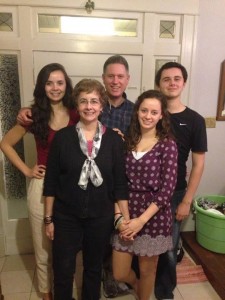
My family and I.
My family and I.

I was raised being told to respect every human and her or his dignity. My father, a professor of theology and my mother, current technical writer at Cisco Systems, taught me how fun it is to be well-rounded and to foster different interests, not just one. Having these two parents also be former political and social justice activists and community organizers, I was raised and instilled with a sense of knowing that life is about more than just living for yourself. I never really knew what that meant until I was thrown into the experience.

I have qualities of thinking logically and realistically, but I have shown myself to be an extremely empathy-oriented person. I was constantly told of the problems of our world, and how health care, food, and countless other basic necessities are not available to millions upon millions around the world, even in our own country. Even though I knew this, poverty was a concept that was hard to grasp, and was far away from my comfortable but humble home. Poverty was something I saw in commercials and heard about from my father, but I was still engrossed in my own world of young adult problems and personal issues. When I got to my second year of college, I decided it was time to step outside myself and try something.

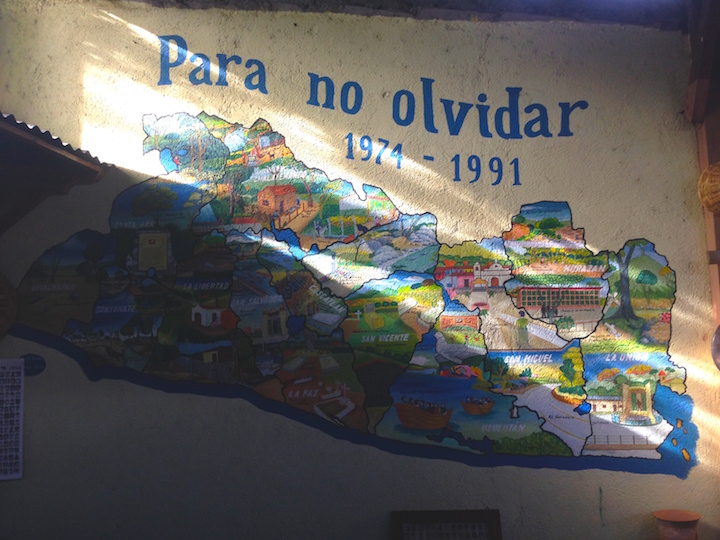
A mural dedicated to the areas affected by the Salvadoran Civil War. "Para no olvidar" translates to "So as not to forget"
A mural dedicated to the areas affected by the Salvadoran Civil War. “Para no olvidar” translates to “So as not to forget”

I applied for a grant to do volunteer work over the summer, and I was successfully funded. I lived in Suchitoto, El Salvador, to work at the Centro Arte Para la Paz (Art Center for Peace) for Sr. Peggy O’Neill, where I was under the impression that I would be solely teaching art classes to young kids. However, I arrived and I was piled with a workload of classes involving English, arts and crafts, and computer skills, and I was assigned as the sole director of a mural that was to be transported and painted on by different schools around the area. Needless to say, my work was cut out for me in those two months. I then attended a week-long delegation with the Ignatian Solidarity Network and CRISPAZ (Christians for Peace in El Salvador) in San Salvador, which was essentially an intensive class on the history and suffering of the people of El Salvador.

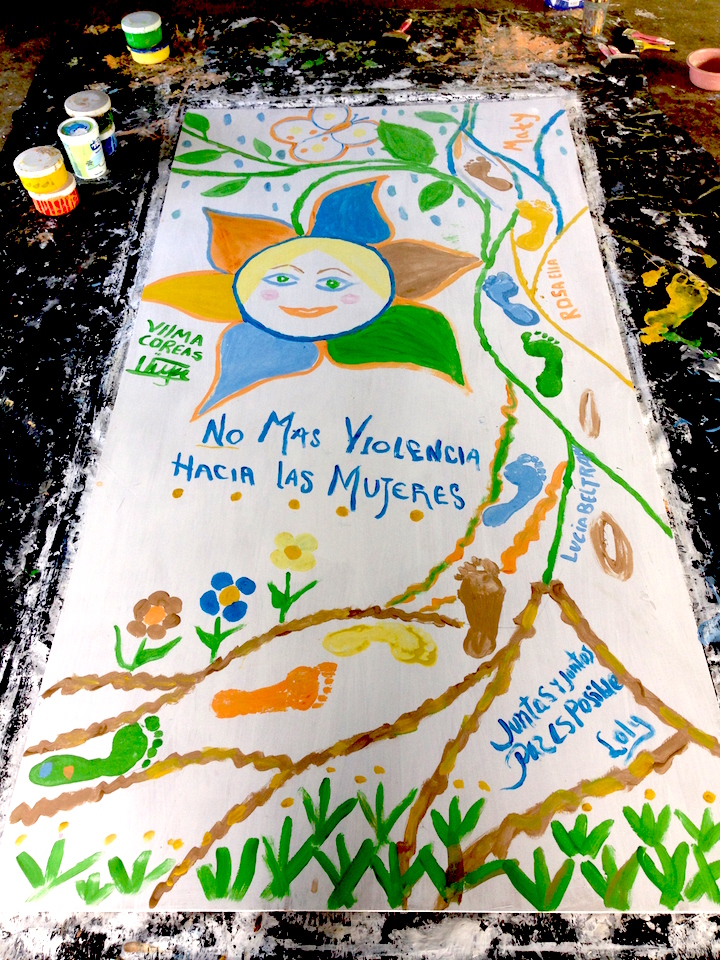
One section of the mural, painted by the women in a women's cooperative, "Pajaro Flor"
One section of the mural, painted by the women in a women’s cooperative. “No Mas Violencia Hacia las Mujeres” translates to “No more violence against women”

I could talk about my experiences in El Salvador for hours, or even days, but the overarching memory was the experience of poverty firsthand coupled with witnessing human suffering. Travelling out to el campo to visit La Mora Canción El Zapote school every other day, taking the bus out to San Antonio school every day in between, dancing and yelling with my first, second, and third graders; I was connected to these children and to myself in a way I’ve never experienced. My lack of Spanish was, for me, an extreme challenge; I felt true cultural isolation for the first time. To the kids, though, my broken Spanish was paid no heed. I was Profesora Cati.

I was generously and humbly accepted into a beautiful culture that I peered at from the outside. I was pulled in not only by kindness, but also by a history that I could no longer ignore. I was swept into a world of evil and injustice; I was shattered by what I learned. I cried for the pain of women and children killed mercilessly in massacres decades preceding me, and for the plight ofthousands who were ripped from their homes and from all they knew in the name of war. Injustice was no longer far away to me; it was placed directly in front of my face and permanently in my being. No more blissful ignorance.

Me and my girls after a long day.

I noticed, however, that as my heart broke more and more, it grew and let more in. The amount of pain that these humans were capable of overcoming and turning into something beautiful and truly good was mind-boggling. My faith blossomed.

Being abroad on my own for the first time while simultaneously undergoing a life-changing paradigm shift was something I thankfully had time to reflect on afterward. I realize that I speak very, very often of El Salvador when I talk about my growth into who I am now, but there is no use in denying the fact that this is the experience that woke me up. Before, I was in a deep sleep. Now that I am awake, I never wish to fall back asleep again.

This passion and faith is what has driven me and has caused many graces in my life to grow and multiply.  My intentions for doing well in school have been shaped into a cause; I know why I’m doing what I’m doing, because I know that my ultimate goal is to be a vessel of good works that will be in service of those suffering injustices. I have seen what it means to live for others, and that is what I hope for my future. I have interests and passions, and I am a blossoming feminist, theologian, engineer, artist, and more. After this calling to wake up, my life started to move in a good and exciting direction, one that I had faith in.

However, I have left out one key aspect of my experiences of another culture and working in that culture. This was an integral part of my work there that I reflected on, and it has proven to be something extremely important that I’ve taken away with me, which is this question: What did I actually do? I grew and I experienced and I felt and I was moved. But even more realistically, I taught classes in a language I was not familiar with, and I directed a mural based on a culture that I was by no means an expert in. I received so much more than I actually gave. Now, I have been woken up, and that comes with more realizations: I not only realized that my ultimate purpose is to be a participant in the (seemingly never-ending) effort to end social injustices in the world, but I also know that no matter how much El Salvador meant to me, my life of service to others cannot be a repeat of what I did in that beloved country. I did no harm, really, but realistically, I was not informed enough, I accidentally took more than I gave, and I should have been more prepared. I am not ashamed or sad for my own uselessness; it was extremely humbling. But I am left, now, with the only remaining questions: What shall I do and how shall I do it?

In the midst of applying to typical engineering internships, I was presented with the Global Social Benefit Fellowship. This fellowship offered an immersion into business knowledge, social entrepreneurship, and exposure to people who have this compassion as well as the skills and resources to actually make a difference. I was hesitant, as I was told by friends that going abroad two summers in a row might not be the best idea for my résumé, but I sensed that this fellowship was not just for people who craved experiences and adventure; rather, it seemed like it was for people who, like me, deeply wanted exposure to this world of shakers, movers, and game-changers, and who wanted to be trained and taught how one can really make positive change and eradicate poverty.

Ikamva Youth in South Africa will be a completely new place with new challenges, tensions, and wonders. I am so passionate about education and what that can do for young people to build their own lives, and this is a perfect opportunity where I can use my skills for engineering, communications, design, and marketing to some use. I have so much to learn, and I am an open sponge, ready to learn as much as I possibly can. I look forward so much to being in South Africa, and I already know from my excitement in the first three weeks of being a fellow that applying and accepting the fellowship was the right choice. Social entrepreneurs remind me why I have faith in the world, and inspire me that I can make a differencce. I can’t wait for what’s to come and for what more I have to learn.