The Next Step

I can still vividly remember our first day at Banapads. Right after all of the dance festivities ended and the rest of the fellows were heading back to Kampala to their respective enterprises, I richly remember saying my goodbyes as they loaded in the van. Part of me was filled with excitement and was already loving the energetic cultural of Banapads demonstrated in the welcome events. However, the other part of me was nervous, anxious, and unsettled. I had no idea how the next 7 weeks were going to unfold. I had just realized how many people truly did not speak English, and that pit-latrines were a real thing, and who knew how our project would turn out. As the van of the other fellows drove away, I knew this was really happening. It is natural to have nervous doubts when arriving somewhere new, but all of my fears and doubts quickly disappeared as we embarked on our amazing experience at Banapads.
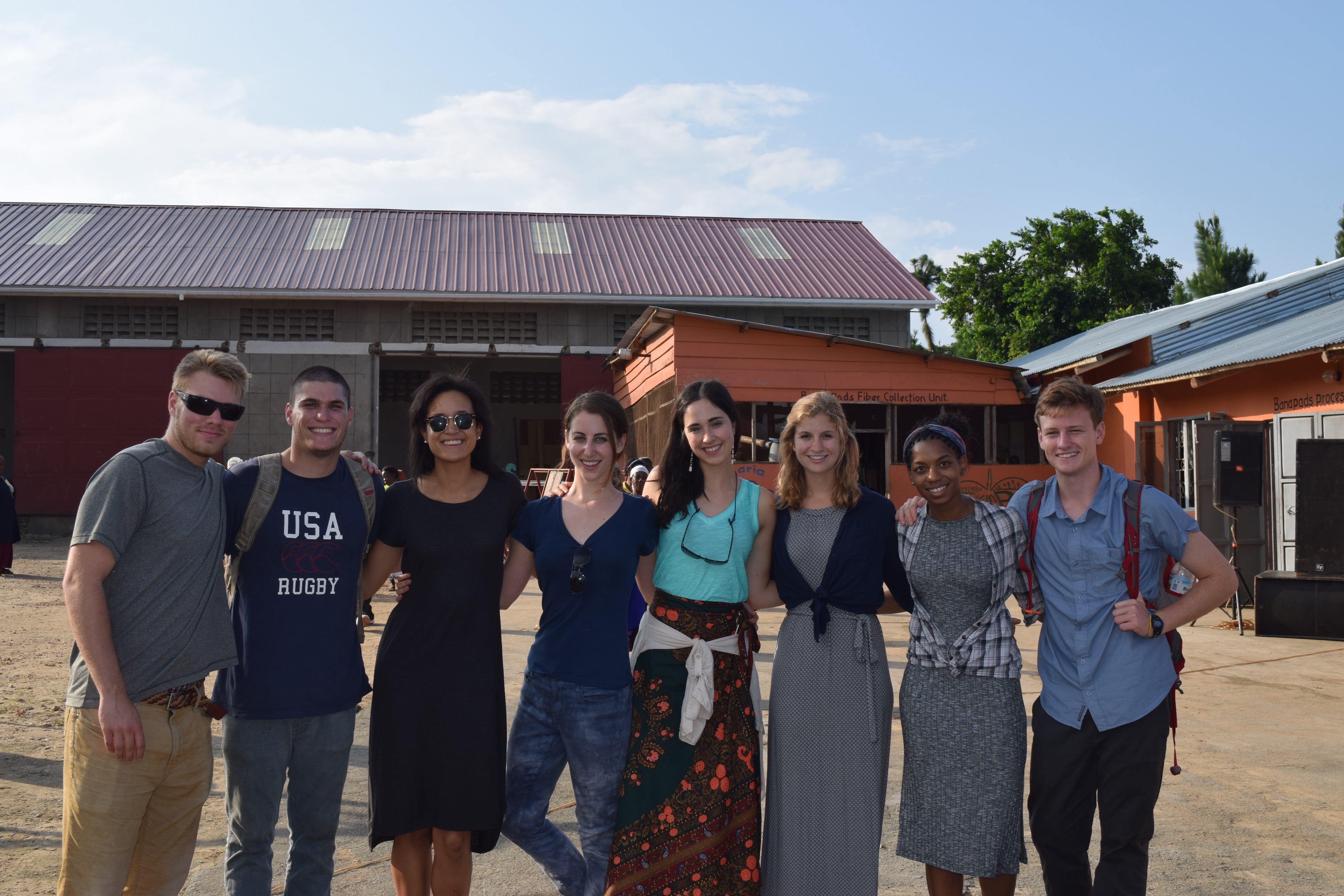
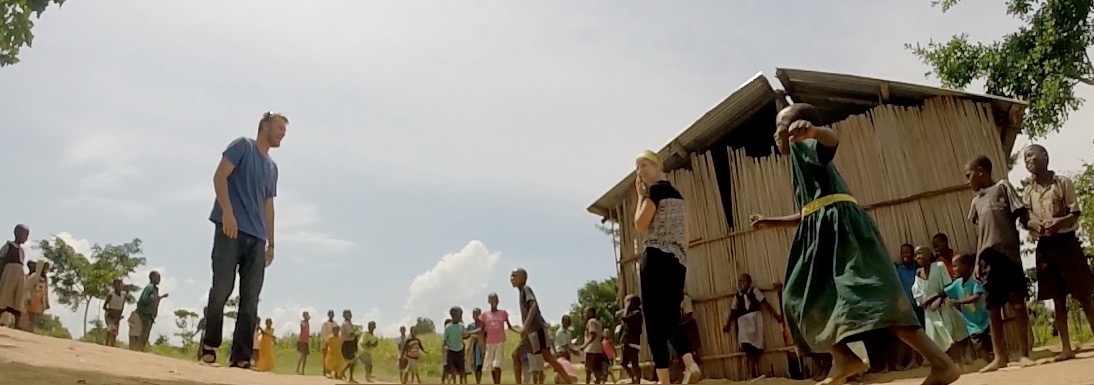
The East African Fellows at Banapads for welcome party

The East African Fellows at Banapads for welcome party

So fast forward 7 weeks to our very last night at Banapads, as pictured below. That day, the three interns (Jackie, Grace, and Rita), Bbaale, Jeremiah, Gogo and I ventured out to the local crocodile farm and then down to the lake. The day ended with a must needed stop at our favorite restaurant on the equator for one last Ugandan beer. However, as we arrived at the equator, the rest of the Banapads team joined us at the equator. Suddenly a small table became a table for almost 20 people, and I could not have asked for a better way to spend our last night, than surrounded by the Banapads family. 7 weeks before I never could have predicted what my experience was going to be like. But that night I truly felt a part of the Banapads family and inspired by each and every person.
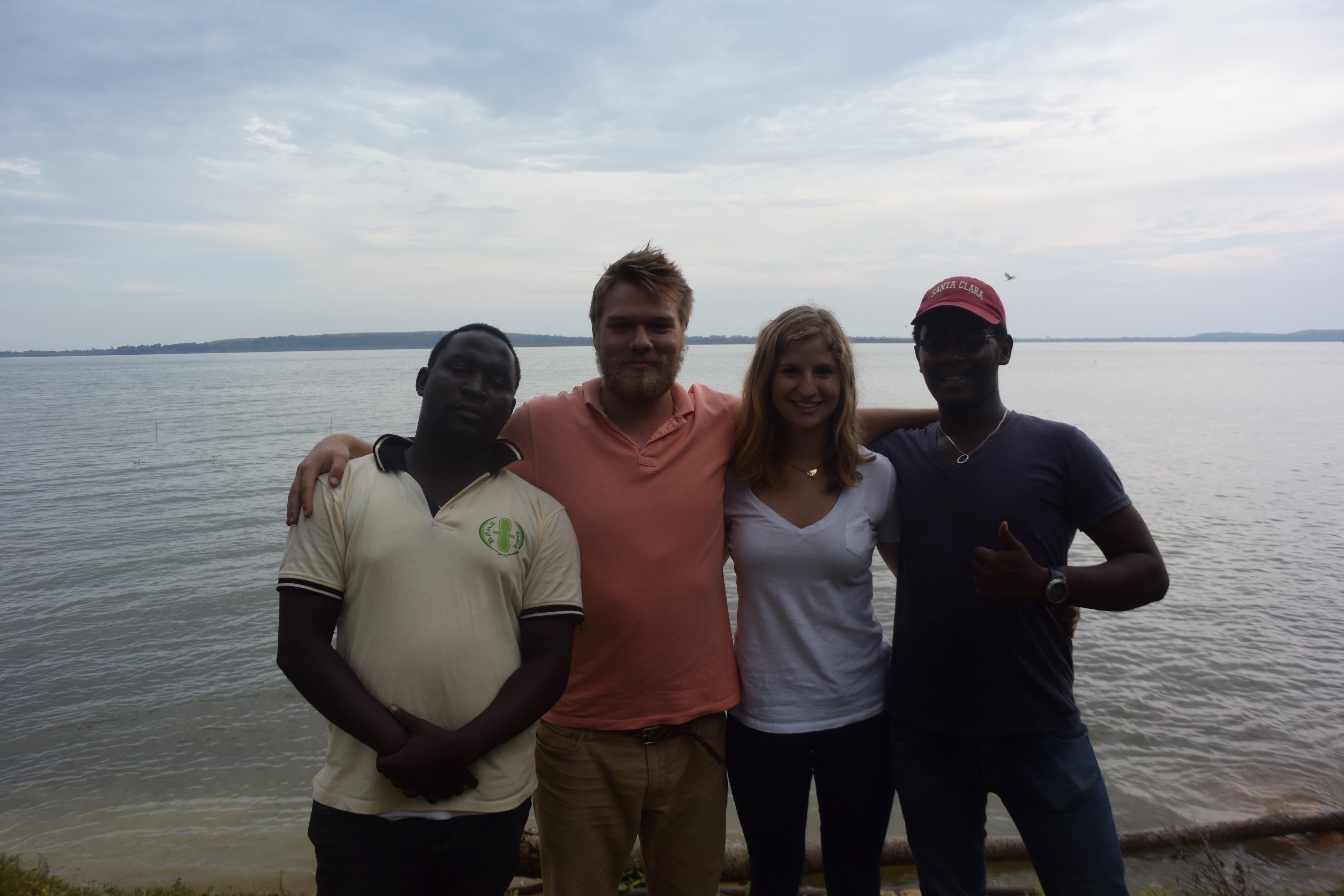
Bbaale, Gogo, Jeremiah, and I on our last day

Bbaale, Gogo, Jeremiah, and I on our last day

So fast-forward to present day, as graduation sneaks up and I am constantly asked what I want to do after graduation. And the answer is I do not know. My answer changes on a daily basis. Most days I want to move to San Francisco and work for a company doing social impact or corporate social responsibility while gaining business experience. Other days I am ready to pick up a backpack and travel through South America or work for a social enterprise in East Africa. Some days I even tether with idea of going to another Arabic school in the Middle East. Each day is another dream and another possibility. Instead of stressing out about the unknown or frankly the unpredictable at this point, I am grateful that I have possibilities. So I take each day and each opportunity to the fullest because I know I am lucky to have the opportunities. So instead my main focus is to do something that makes a difference and impacts others

So the answer is no, I do not know where I will be in 6 months, a year, or 5 years. And to be honest I am completely okay with that. I know that I am not going to find my dream job right out of college. But I do know that each job and experience brings me closer to my dreams and goals.

The one thing I am sure of is that because of the fellowship I will be prepared for whatever path I chose.
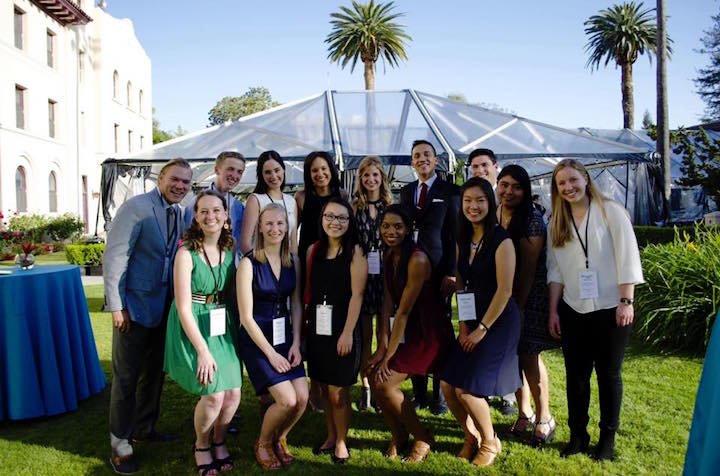
Some fellows at Magis in April 2015

Some fellows at Magis in April 2015

During my time with Banapads, I realized being resourceful is key. Banapads is able to create menstruation pads from the abundant resource of a banana stem. A business is fully possible with limited access to Internet, running water, and electricity. It is all possible if we are flexible and innovative. With an adaptable mindset it is much easier to see the potentials. This is the mindset of Banapads, it was the mindset that we had to use to complete our in-field project, and now I strive to make this my daily mindset. If something is not going as planned, I remind myself to try a different option or look at it problem from a different perspective. Watching Banapads operate and learning about different social enterprises has inspired me to look for innovation. I believe innovation is achieved through resourcefulness and flexibility.

Additionally, I am thankful each and everyday for the opportunities I am given, and constantly reminding myself not to take anything for granted. The advancements Jeremiah and Bbaale are making in Uganda of breaking the silence of menstruation, is a constant reminder to follow my passion and make a difference. They are in a rural Ugandan village changing menstruation taboos and Champions are becoming community educators and role models. After seeing this powerful and enriching movement in a rural setting with scare resources and sometimes difficult circumstances, it is something you cannot forget. It is something that changes you. Now each morning I wake up thinking of the Champions teaching young girls about menstruation, or Banapads. So now each morning I think what I am going to do today to live my life to the fullest and embrace the opportunities surrounding me? Banapads, the champions, and other social entrepreneurs are an inspiration and a constant reminder to my career goals and daily life.


Now 9 months later being a Global Social Benefit fellow has changed my career path, mindset and world views. It has showed me that business and positive impact are possible together. And that it is possible to impact the world through innovation, compassion creativity, and socially and environmentally consciousness.
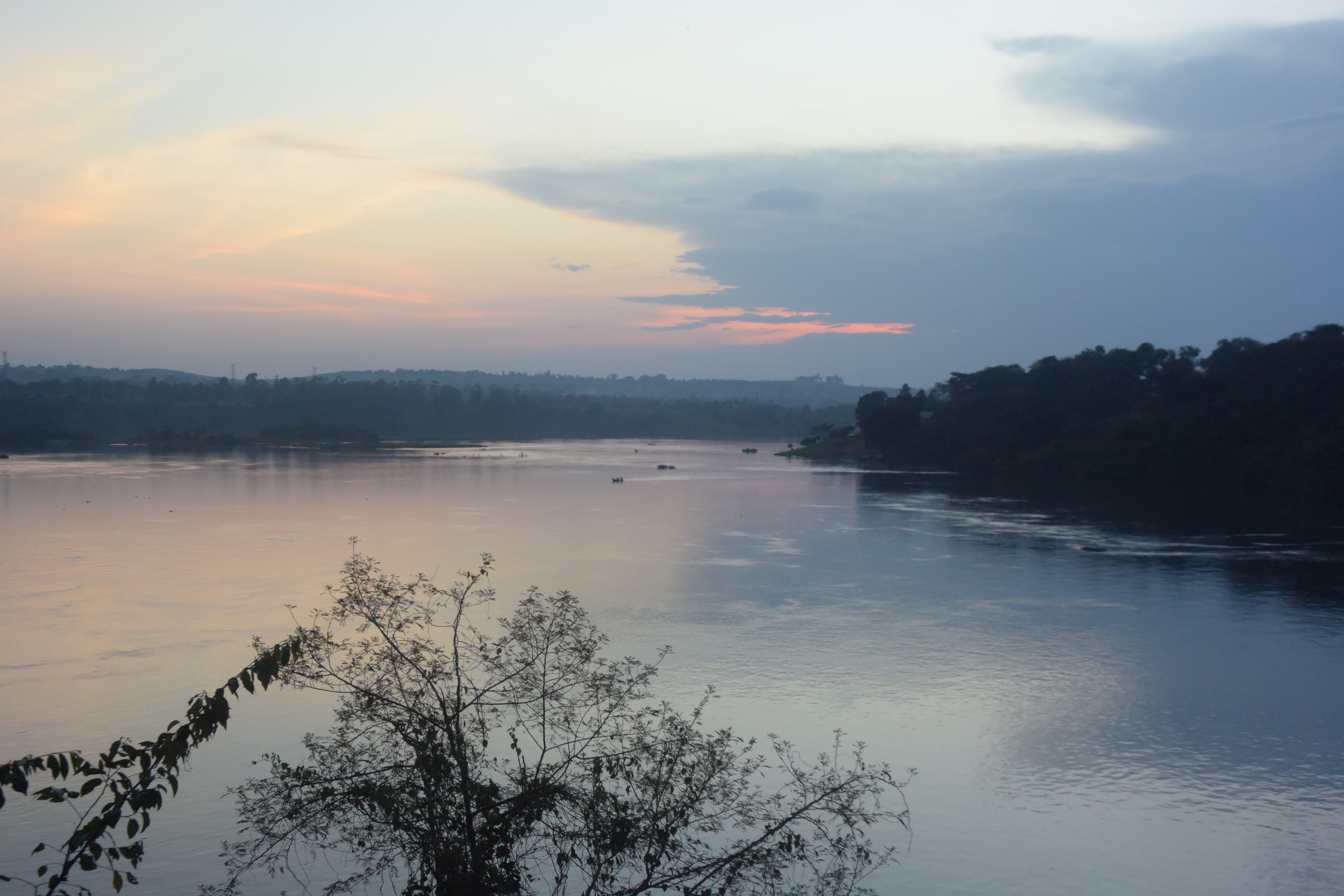
Sunset on the Nile River
Sunset on the Nile River
Categories: Uncategorized | Leave a comment

The Ordinary in the Extraordinary

Upon our arrival in the United States, I constantly received a variety of remarks about my time to Uganda. Many people thought they were complimenting me when expressing how I was saving the world through or Africa through the fellowship or people would ask if I was completely out of my comfort zone or felt unsafe as a woman. I appreciated their support, however those types comments did not resonate well with me internally and those conversations actually made me uncomfortable because all I wanted tell them about was the hospitable and kind people I met and that Uganda or Africa is not some far off mysterious land.

Instead of the typical ideas proposed by friends and family’s questions my view was completely opposite. Returning home my mind was wrapped around the wonderful humble people I lived with for two months and how much I was going to miss those relationships. My memories consisted on how comfortable and welcomed I felt in Bukibiira village and how different, but similar my life in Uganda was compared to my life at Santa Clara. The similarity lies at the base of an ordinary life filled with extraordinary people, a sense of home and hospitality.

IMG_1320

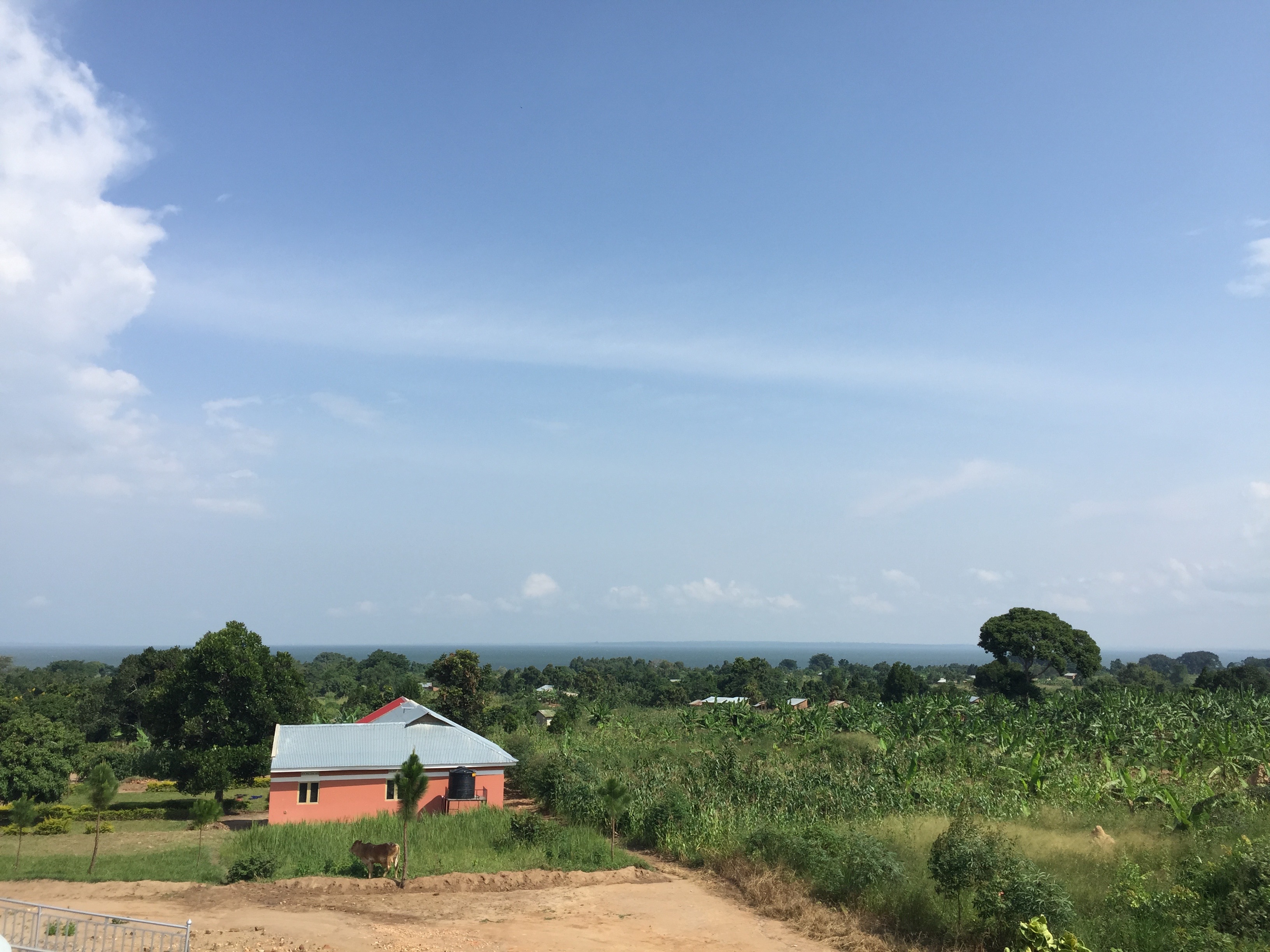
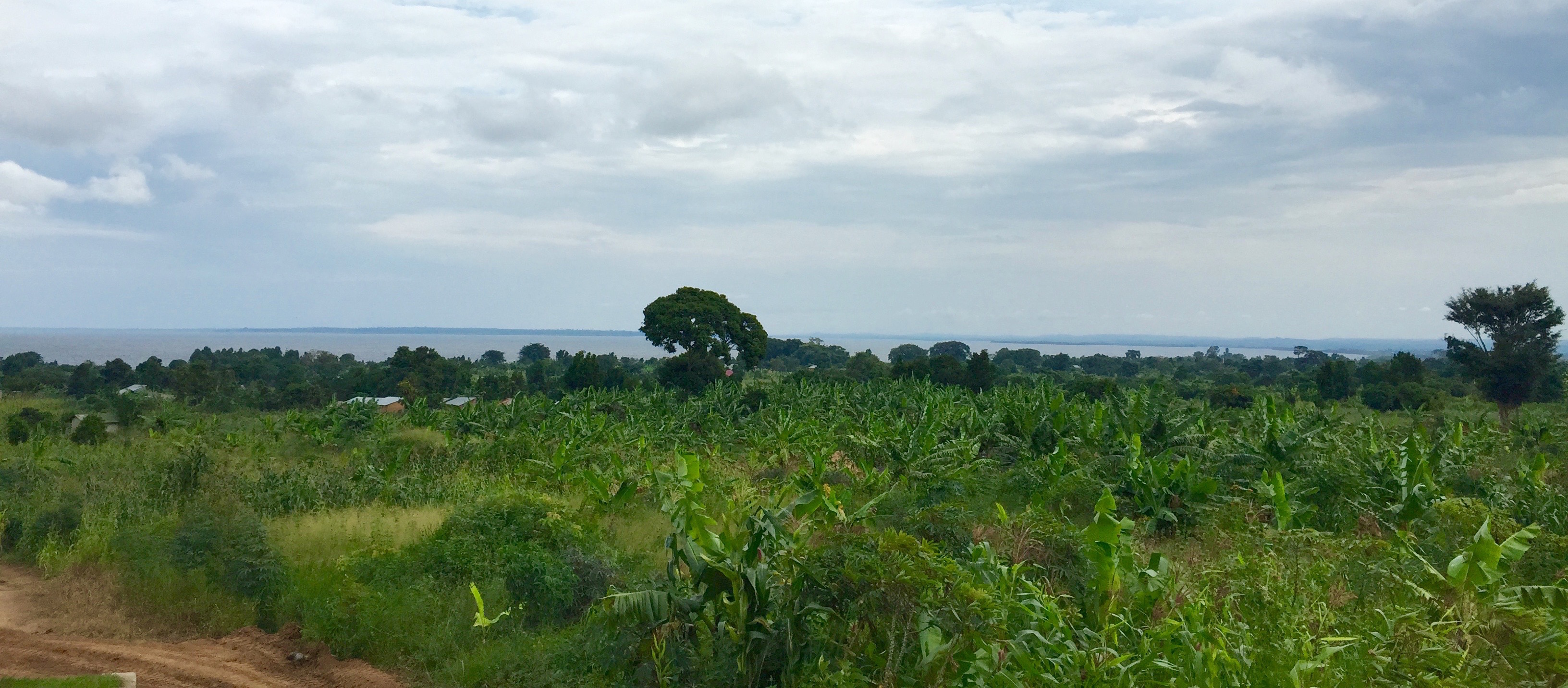
View of Lake Victoria from Banapads

DSC_0769

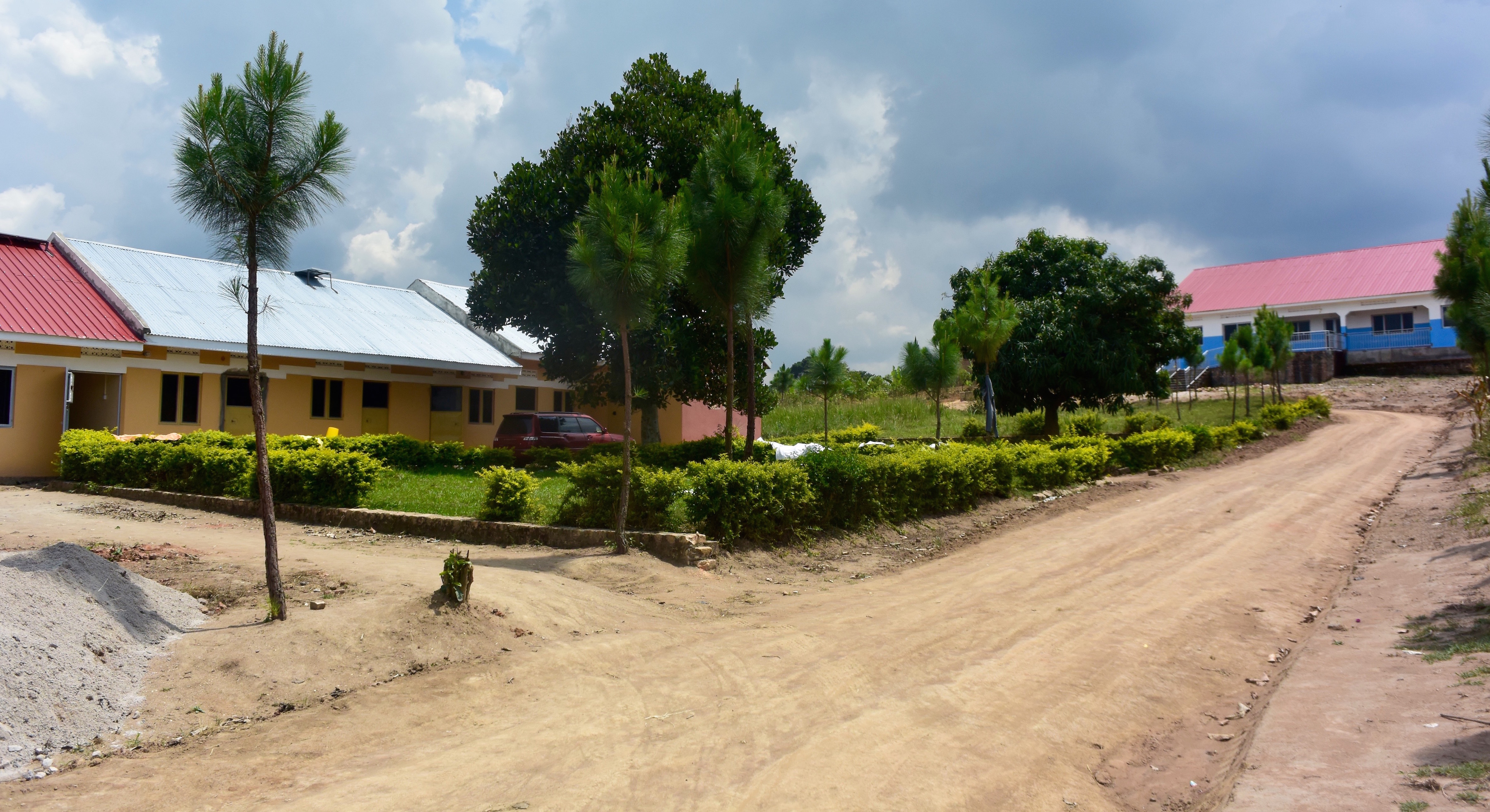
Banapads Guest House 


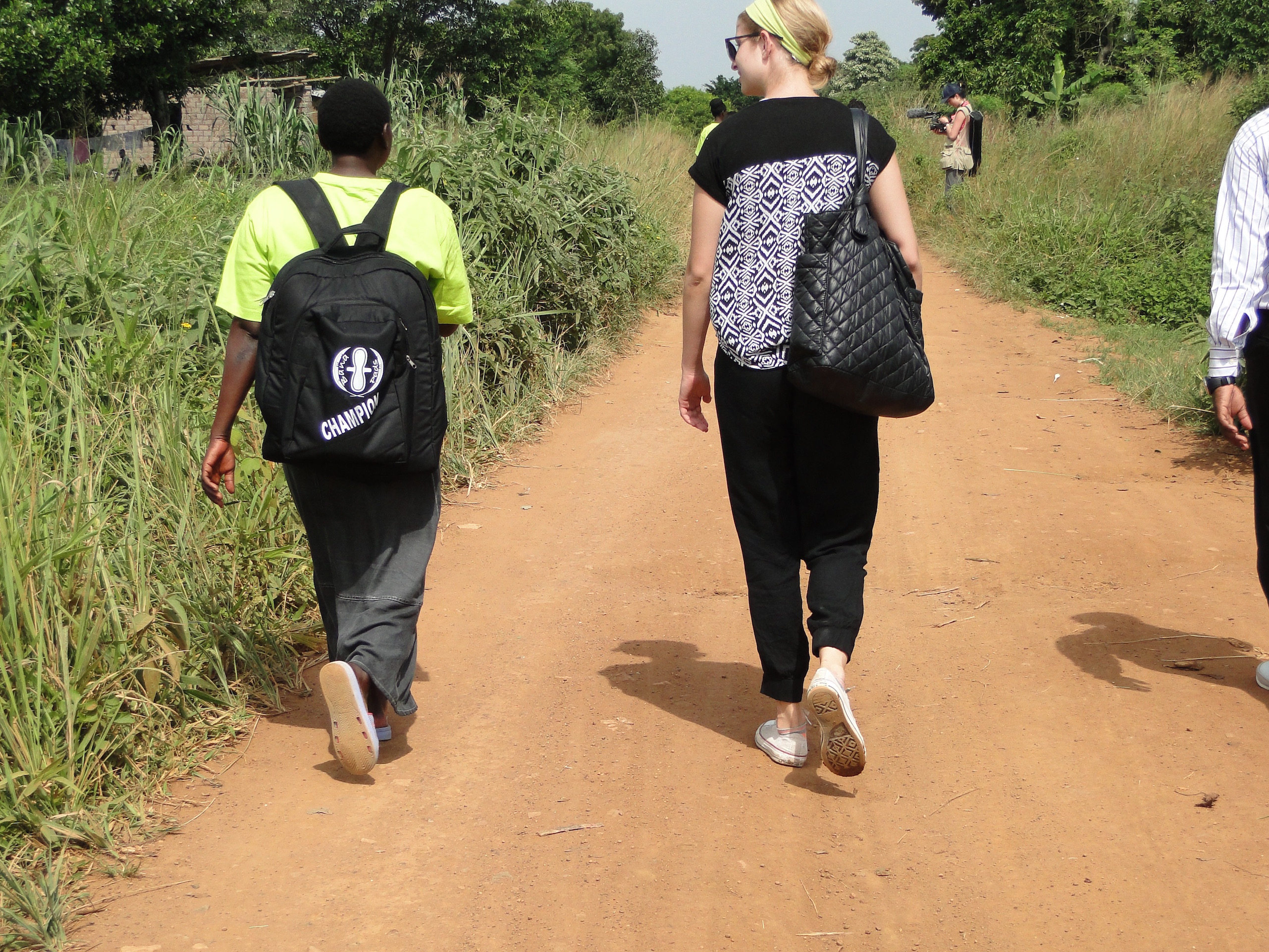
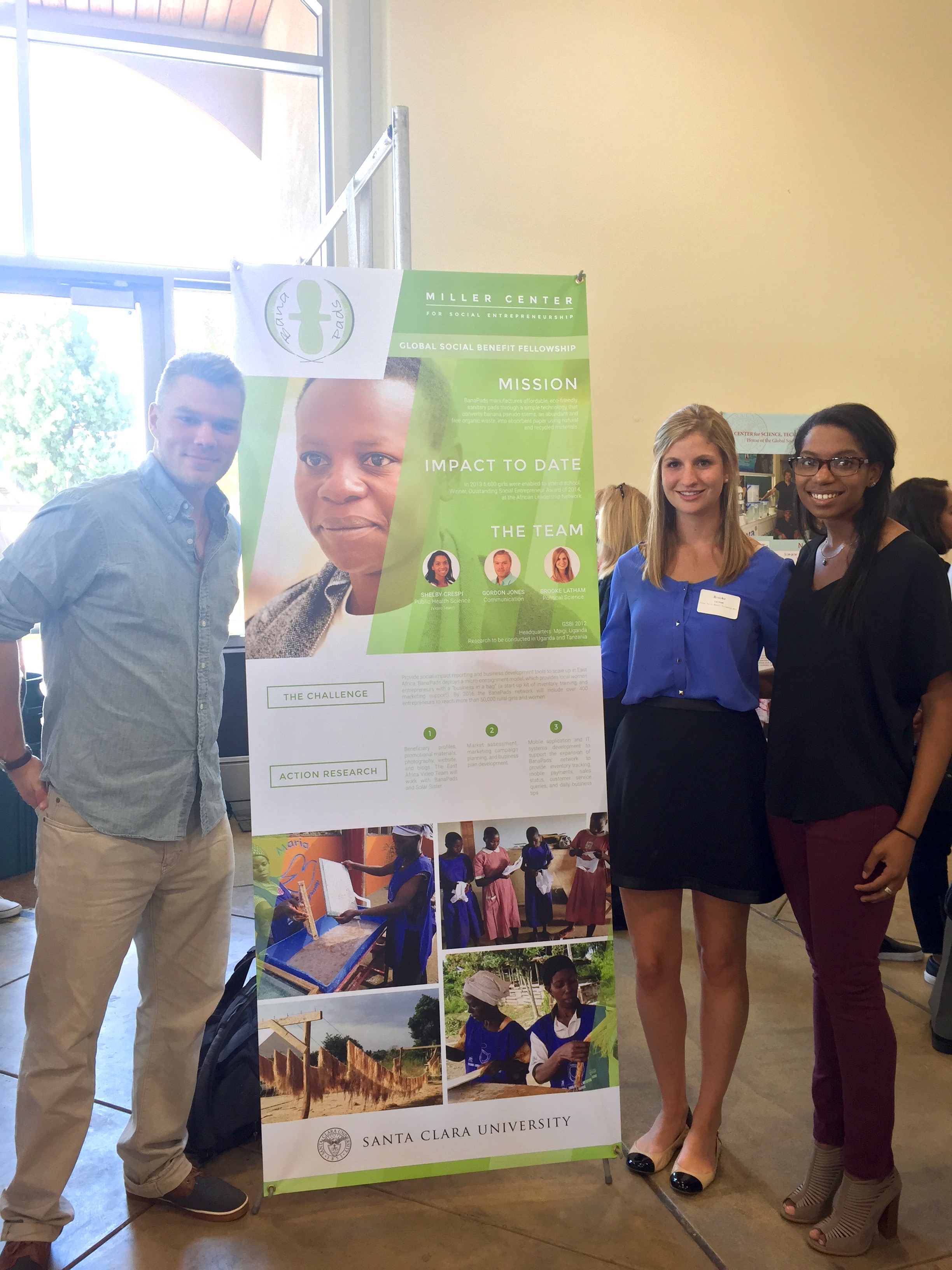
One of my first senses of belonging and engaging with the locals was our first day in the field. That day we went into the village with a group of 6 or so Champions and the video team to observe how Champions make sales and to learn more about their job as Champions. As the day progressed, one of the Champions clearly stood out to me, she had this natural sense of leadership to her that stood out amongst the group. Sylvia’s dedication to Banapads and her job was clear through her energy and interaction with other Champions. Not only did Sylvia stand out to me because of her personality, but also she looked familiar because her eyes are something you cannot forget. It then occurred to me that she was the Champion that was on our research poster for spring quarter. I had a picture of the poster on my phone so I showed it to her and through translation explain the poster to her and watched her face brighten and burst into laughter from happiness. So the day progressed and as we were returning back to Banapads headquarters, Sylvia turned to me and in L’ugandan stated “you are my friend” (this was translated to me by Jackie an Ugandan that worked for Banapads and spoke L’ugandan and English.) I attempted to speak back in L’ugandan saying you are my friend as well. It was from moments like these that I realized that you do not have to speak the same language in order to have connections. A simple smile is a universal language. For the rest of our time in Mpigi, whenever I saw Sylvia we always exchanged a bright smile and a quick hello. This was just one of the many small but tremendous connections.

DSC01825

Sylvia and I on our first day in the field 

IMG_0911

Our research poster with Sylvia on it


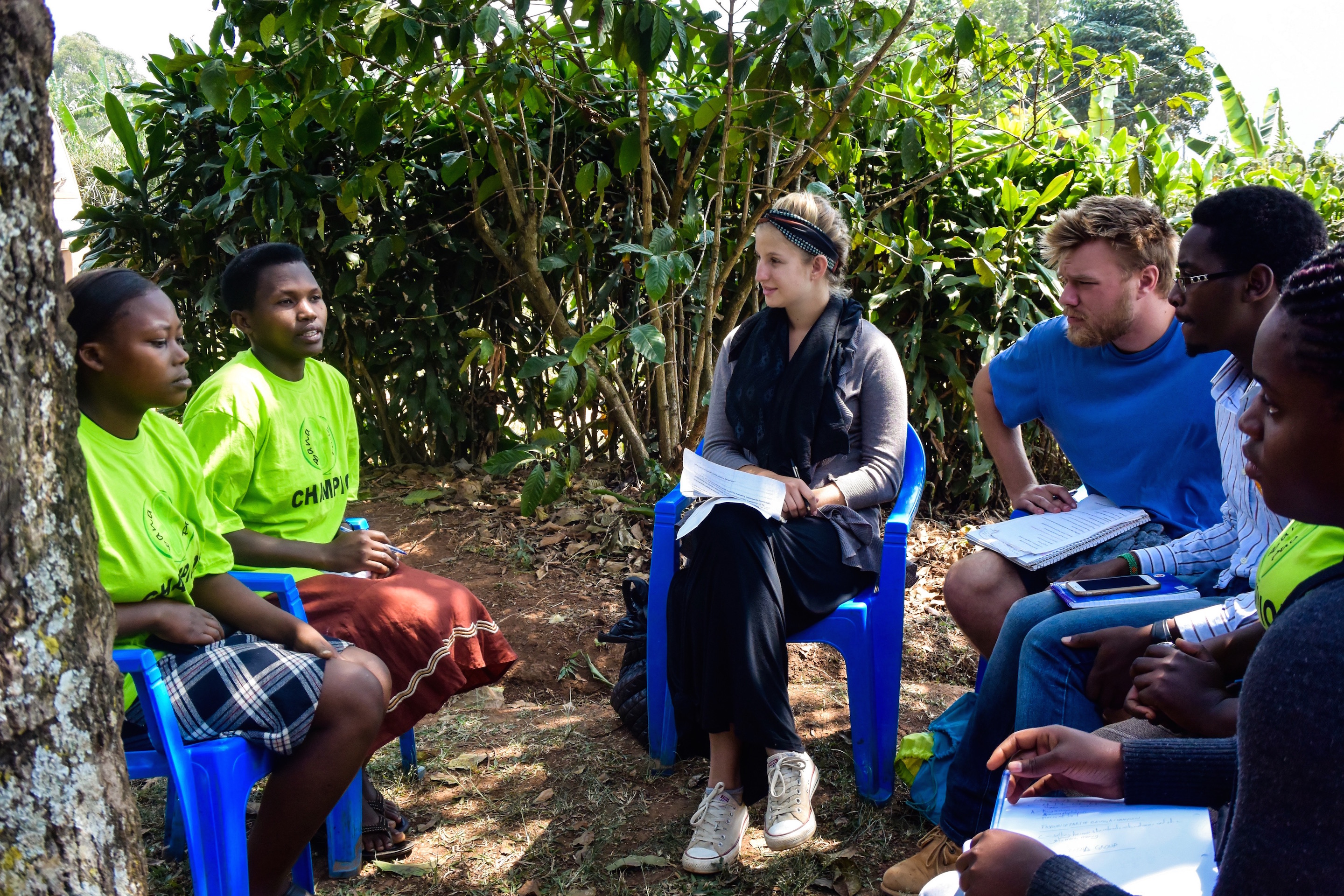
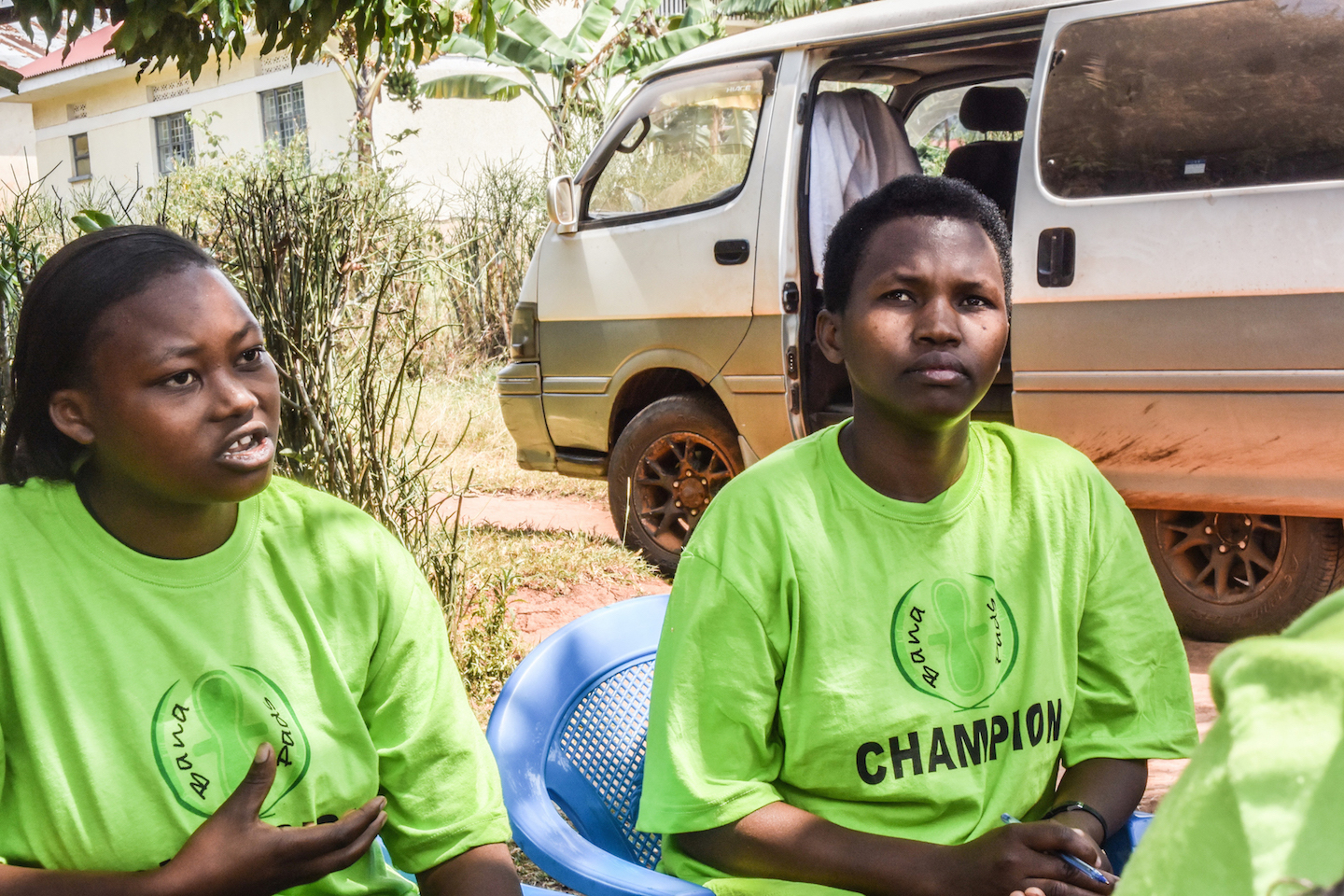
By our last field visit to the western district we had already completed over 30 some interviews. But these interviews were not a routine proceedure because each interview was a new person, a new connection even if it was brief, and a new opportunity to learn about their lives and women’s health. However, of all our interviews a few stand out more than others. One that resignates most with me is in Rukungiri (Western region of Uganda) with two Champions named Jackie and Parity. In Rukungiri, we were conducting group interviews in order to talk to more Champions and to create more of a dialogue conversation. This discussion instantly became passionate. Parity (22 years old) described how she had to drop out of secondary school due to funds and now she has a young child. From our conversations it is sadly common for many people not to have enough funds for school. Every story like this breaks your heart and makes you appreciate your education.

DSC_0642

Interview with Parity and Jackie

DSC_0658 (1) copy

Our passionate conversion. Jackie on the right and Parity on the left

However, this interview was different, and more realistic. Later in the interview we asked Jackie and Parity, what are your hopes and dreams? Normally we get these heart-filling aspirations and goals. Everyone is filled with immense hope, which is so inspiring. However, when Parity began to answer this question, instead of words, tears rolled down her face. Through her emotions she described how she always had the dream of becoming a nurse, and unfortunately this was no longer a reality due to her education. I sat there saddened and overwhelmed with every emotion while trying to offer support and comfort. This was a reality that Parity was experiencing and a truth that many others would eventually face. She had the drive, ambition and dream to be a nurse and due to the failed education system she could not complete her goals. This injustice that many bear is a frustrating and disheartening reality for so many people, who simply lack the means not the talent or ambition. However, Parity is now a successful Champion, it may not be her original plan but she has channeled her energy into being a talented Champion.


Screen Shot 2015-09-22 at 8.58.48 PM

Screen Shot 2015-09-22 at 8.45.52 PM

Enjoying the simple innocence and happiness of the children


When asked about my 8 weeks at Banapads, I cannot help and pause and remember each and every person that I had the chance to work with. I remember the children’s bright faces and their innocent laughs when playing with them. I reflect on stories and passion like Parity or the friendliness like Sylvia and the people of Bukibiira. I reminisce on our relationships and similarities. I remember all the people, because it is friends and family that make a place home and familiar. It is not the amenities, the Internet, the toilets, the weather or even the length of time that constitutes a place a home to me. But rather the memories, the people, and the relationships that creates a special place in my mind. Therefore Mpigi will always be home because that is where the Banapads family is.

By working with Banapads I learned a tremendous amount about social enterprises, business in the developing world, but more importantly I experienced global citizenship. So my summer did involve extraordinary, but it was not me, but rather Banapads.  Richard Bbaale and Jeremiah are the extraordinary ones, they who achieving the dream of impacting the lives around them and providing sanitary pads and education about women’s health. I share this passion, however the difference is they are currently achieving this and I am a student learning from every opportunity that I am presented. I was lucky and blessed to have been a small part of their extraordinary.


Categories: Uncategorized | Leave a comment

Something Special

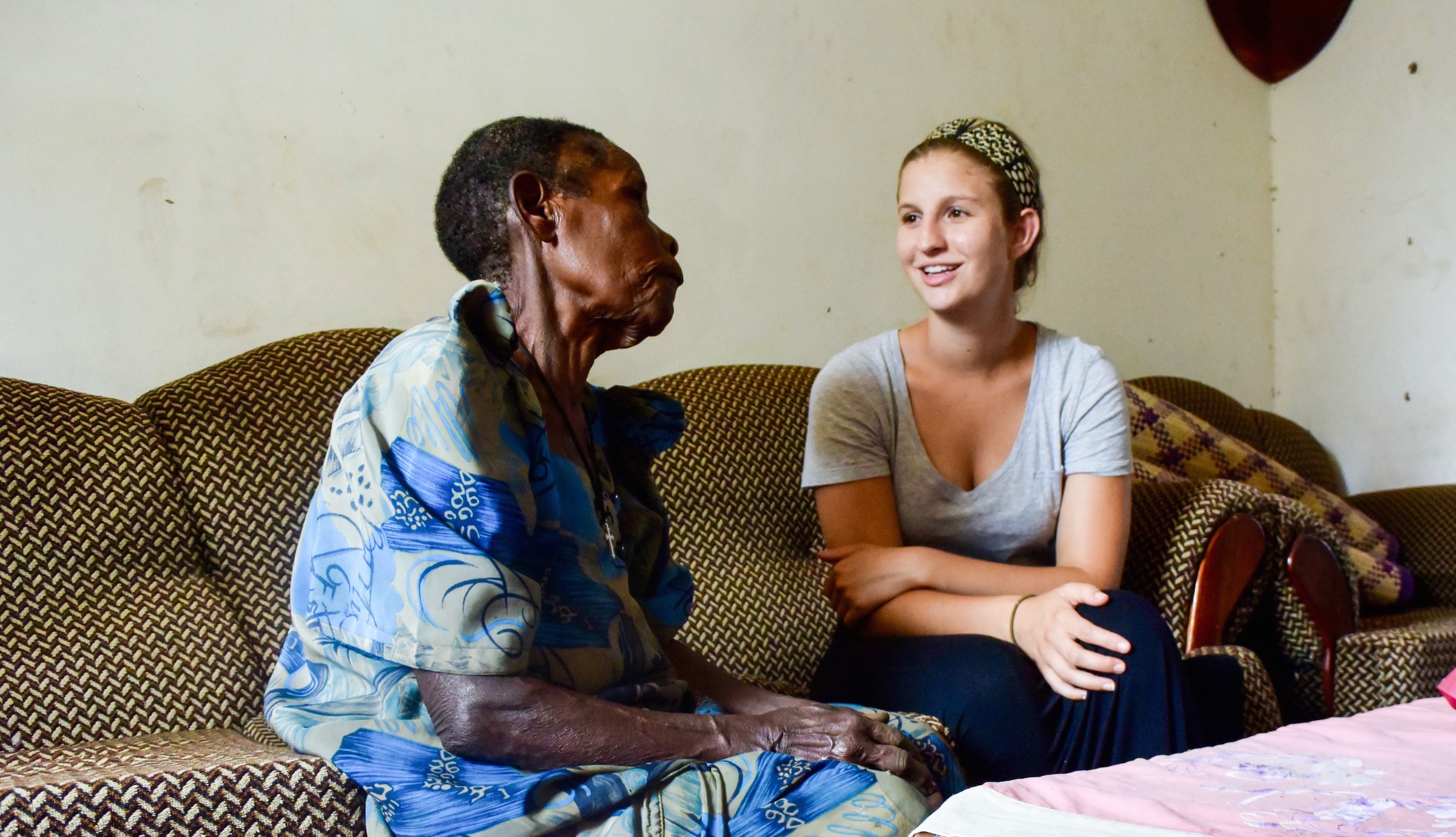
In our second field visit to Masaka we were told we would have the chance to interview more champions but first we were going to be speaking to a former Champion, who had to stop selling due to old age and was sick. So in the back of my mind I was picturing an old, quiet, and sick woman, not to be stereotypical. But instead we pulled up to the house and before a figure even immerged you could hear a hoop and hollering, almost like a tribal call. Then an old woman no taller than five feet came behind the house waving and hollering in excitement as the van arrived. This is not what I had pictured as an old sick woman. No instead it was someone special, and her name was Speciouza.

Her energy filled the room, her humor carried the conversation (jokes were delayed due to translation,) and her smile could brighten anyone’s day in an instant.

DSC_0515 copy

Speciouza had been a Champion for a few years until her health worsened and she was no longer able to sell. But she was one of the first Champions in Masaka. Even though she is no longer selling she is still very connected to the BanaPads community and still helps with menstruation education and involvement when her health allows her. Since she was a former Champion our interviewed differed, so at the end of the interview when we were wrapping up, Gogo asked one last question. That one simple question has been memorable for weeks following. He asked, “any advice on how to live a good life?” It was clear from her energy that she was happy and had lived a fulfilling life in her previous years. She responded with a list of 5 ways to live a good life:

Be disciplined

Be a good listener

Be humble

Say sorry

Do not ever underestimate anyone, no matter how small they are. See yourself on their level.

If that is not good advice to live by, then I don’t know what is. Her name truly says it all about the greeting, the interview, and the advice. It was all “speciouza!”


Categories: Uncategorized | Leave a comment

There is a Reason they are Called “Champions”

The past few weeks we have been conducting numerous interviews to learn more about the Champions’ experiences with BanaPads.

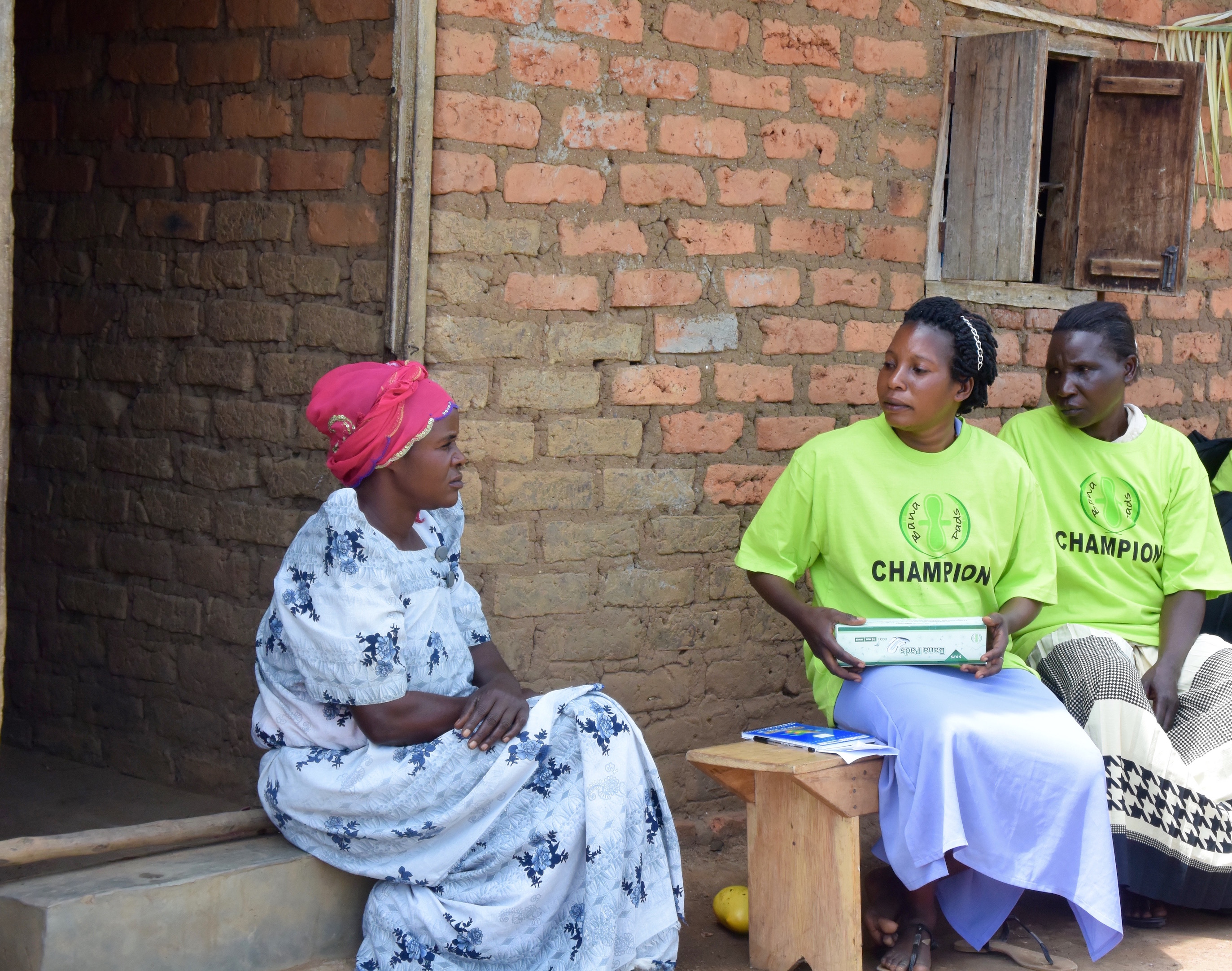
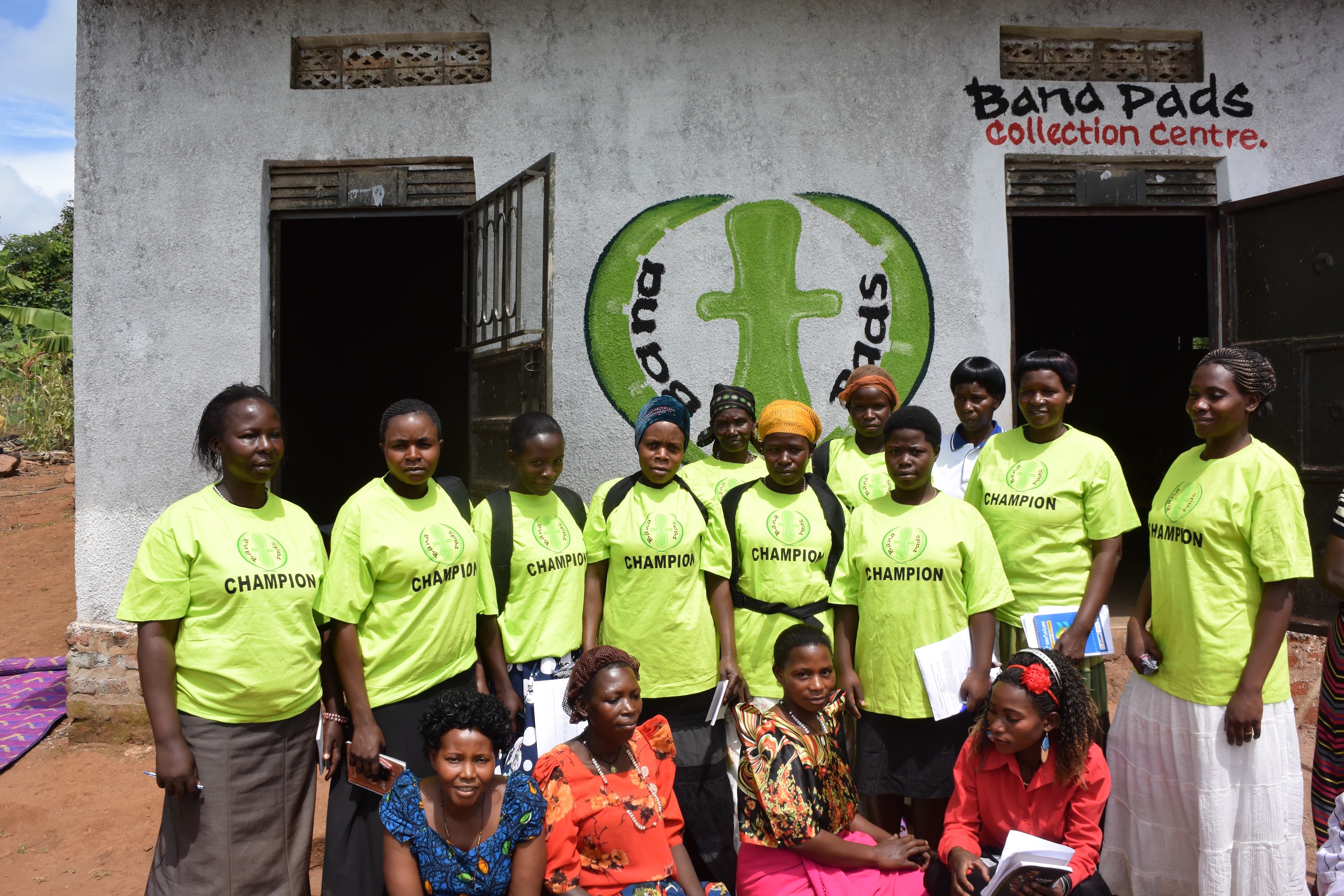
One thing I have found extremely interesting from information gathered during our interviews is that being a Champion is more than a saleswomen of pads, there is a large component of menstruation education involved in the job. The education can span from informing a new customer more about menstruation and health tips to consulting parents about menstruation so they provide their daughters with pads or holding education sessions at local schools for the girls. All of these situations go beyond and above the use of a pad.

DSC_0118

Champion Annet making a sale of pads to a women

For instance, in many of our interviews the Champions explain detailed stories of where a girl has come to them for pads, but said their parents will not pay for the product. Therefore the Champion has talked to the girl’s parents and explained the importance of using a pad instead of rags or cloth for sanitation and health reasons. Then in many instances the champion will have a family discussion with the girl and her parents or just her mother about menstruation, sanitation, and female health. A simple sale of a product leads to teaching families about menstruation health. This also happens in reverse when a mother will ask a Champion to talk to her daughter about her period because the mother does not feel comfortable or does not have all the information. These valued discussions do not only provide a girl with pads but it also opens the discussion about menstruation health, which is not commonly talked about.

New Champions in Rakai after training

New Champions in Rakai after training

Additionally this past week in Mpigi, 9 of champions wanted to hold an education workshop for girls at the secondary and primary school near by. During the sessions the girls were briefed about menstruation in general, how to use a pad, proper sanitation during your period, and how to ask your parents for pads. It is also open for girls to ask any questions, which many asked about STDs, sex, and pregnancy. Therefore a menstruation workshop also provides a safe, open space for girls to ask their desired questions not only about their periods, but other important sexual health questions because HIV and teen pregnancy are two common, major issues currently in Uganda. Towards the end of the session at the primary school, one girl asked: “Does the white girl and whites menstruate too?” So I stood up in front of the 40 girls with a smile on my face in amusement of the question, and responded, “Yes I menstruate, all women do.” It was very interesting to watch the workshops.

So a champion is not just a saleswomen and BanaPads is not just a product. But that is what separates a social enterprise from other companies. Not only are they delivering a needed product, but more importantly BanaPads is providing the education behind the product and creating discussions about menstruation and sexual health.

After a month at BanaPads, I can see that mission is much is deeper than providing eco-friendly, affordable pads and it even goes further than providing jobs for local women. All of those components are essential to the business of BanaPads, but the education aspect separates and defines BanaPads.

DSC_0214

Categories: Uncategorized | Leave a comment

Welcome Muzungus

***Due to the lack of our internet, I have been writing these blogs in a word document and just now posting weeks later***


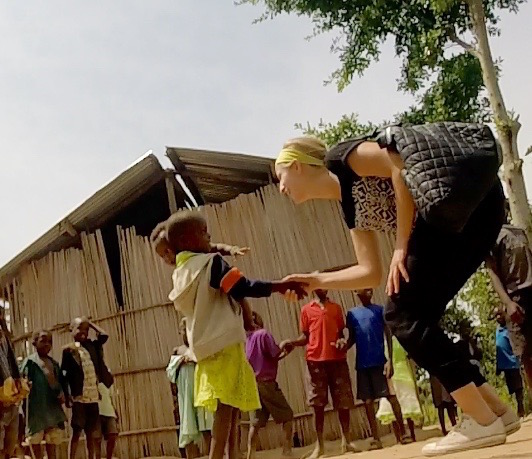
After a few days in Kampala we finally arrived in Mpigi. On the afternoon of June 19th all East African fellows were greeted by a welcome ceremony in Mpigi. Around BanaPads headquarters many local men, women and children gathered to welcome us to their village. Everyone gathered in a circle and introductions began. However, due to the language barrier, it was not your typical “meet and greet,” instead our introduction was dancing. They called it a dance competition, one American and one Ugandan danced in the circle together, until it was a new song and a new pair of people entered the circle, so one by one we each danced in the circle as we met a friend. When it was my turn I grabbed the hands of an elder woman and began to dance. Even though, we could not speak the same language we were able to communicate through dancing and her gentle smile. The days following I saw this women in the village and she acknowledged me with a large grin and a soft laugh, we exchanged the short words of “Jjebale” (meaning hello), clearly remembering our dance meeting the other night. It is amazing the communication one can have without understanding the same language.

After our dancing introduction the other fellows headed back to Kampala to start their adventures at their respective host enterprise. But for us (Gogo and I and the video team Paris and Shelby), we continued the dance the night away. The children were in awe of the foreign “Muzungus” (what Ugandans call all white people.) We thought that was the end of the greetings ceremony, but it was only part one.

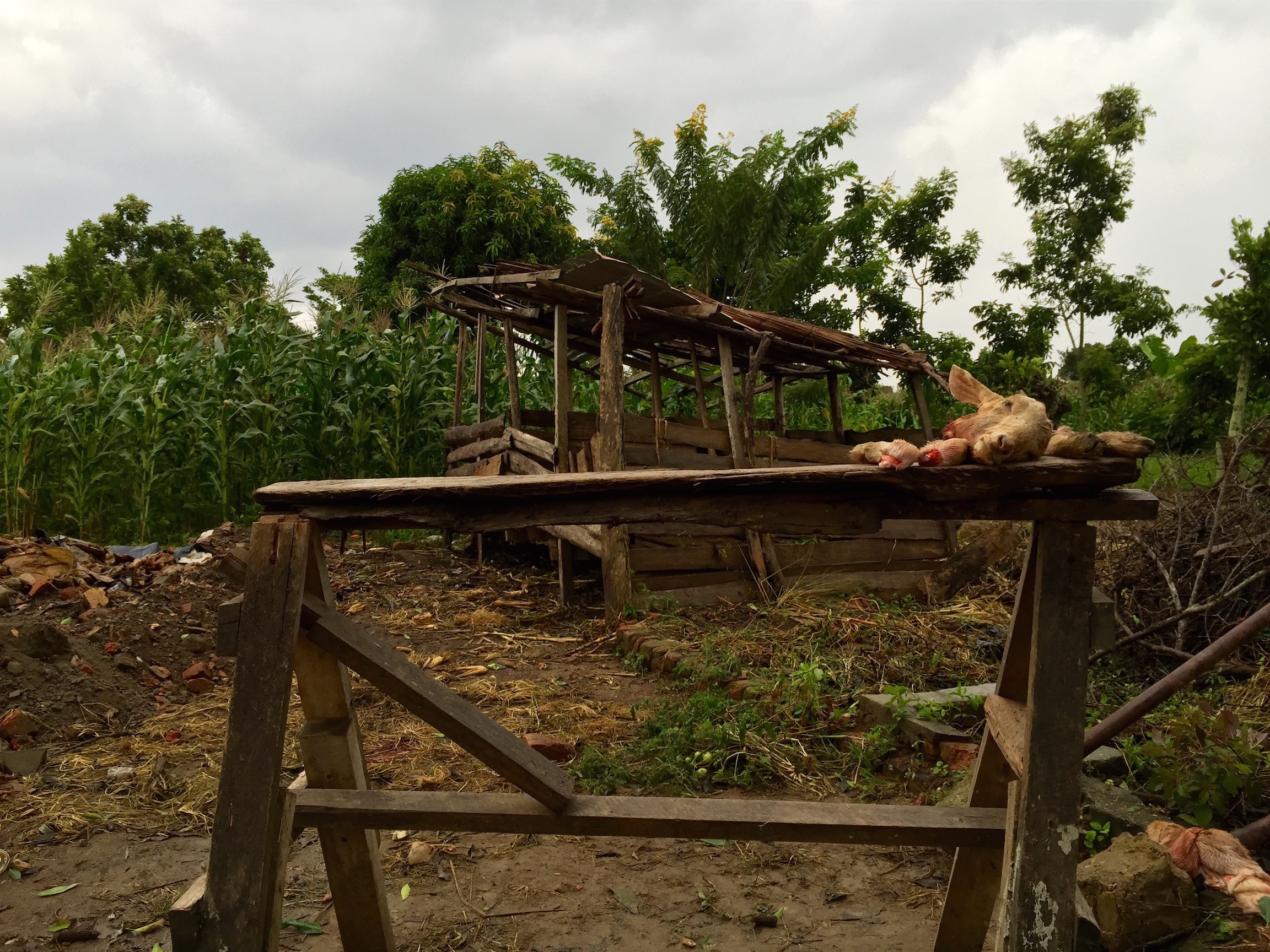
The next morning after enjoying breakfast it was time to kill the goat. In honor of our arrival, a goat would be prepared; it is tradition to kill a goat for special occasions and holidays and goat meat is usually a luxury. As we enjoyed our morning tea, we watched each step of our future meal preparation. After, the animal squealed and it took its last breath, the man who killed the goat looked up over to us and bluntly stated, “life over.” Needless to say, it an interesting way to begin our morning and it was gruesome to watch. Since its special to kill a goat, no part of the animal can be wasted. Therefore our breakfast included the liver, our lunch was other intestines, and dinner was BBQ. My first few bites of liver, I was unaware it was the liver and I was immediately unsettled when I realized it, I hope that is was my first and last experience of animal liver. However the BBQ was absolutely delicious.

Gogo in awe of the goat kiling

Gogo in awe of the goat killing

IMG_1288

Besides the language barrier (everyone speaks L’Uganda) everyone is extremely friendly and welcoming and the children just want to play all day.

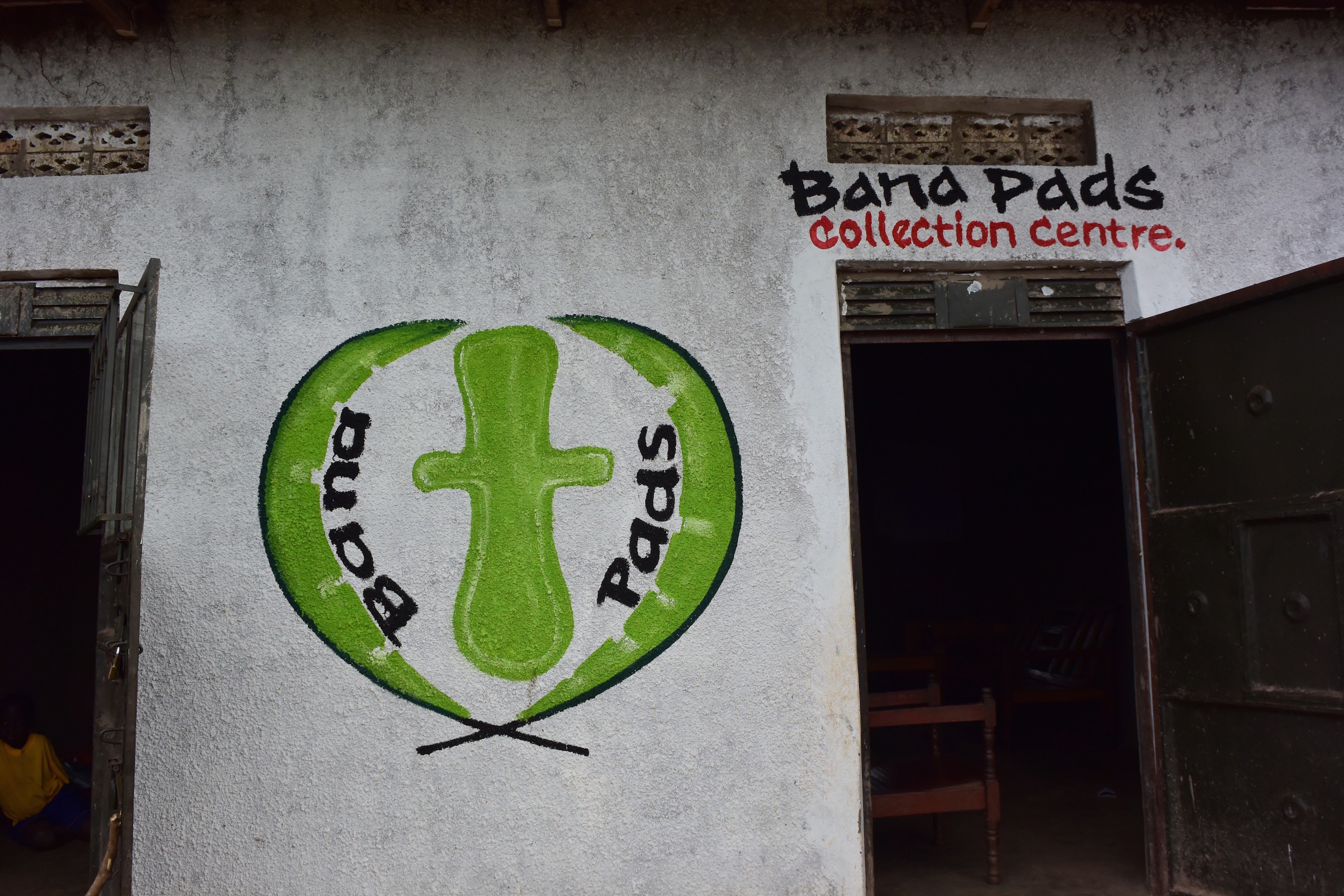
BanaPads headquarters is located 30 minutes from the equator in Mpigi. Our accommodations are great; we are staying in the BanaPads guesthouse right at headquarters. We each have our own shower in our rooms but no hot water, our electricity is limited since it is based on a generator or solar energy, and the toilets a little hole in the ground, similar to an outhouse called a “pit-lantry.” I feel as if I am able to experience living in an authentic rural Ugandan Village and truly thankful for this opportunity!

View of BanaPads guest house and Lake Victoria

View of BanaPads guest house and Lake Victoria

Categories: Uncategorized | Leave a comment

Next Stop: Uganda

I was born and raised in Denver, Colorado. I have two older sisters. Not only am I the youngest of my immediate family, I am also the youngest cousin on both my mom and dad’s side of the family. This led to my family nickname, “baby B”, but despite my age, I would not call myself the baby but rather the curious child. I was not your typical youngest child, which everyone over protected and followed in his or her older siblings footsteps. I witnessed everything thing my sisters did from the time we were little. Without even realizing it, I was preparing myself for my own journeys. I knew I wanted to be different, I didn’t want to be the baby, I wanted to step out and create something for my own.

DSCN5583

My sisters and I. Hilliary (age 26) is on the right and Nicole (age 23) on the left

scan0004

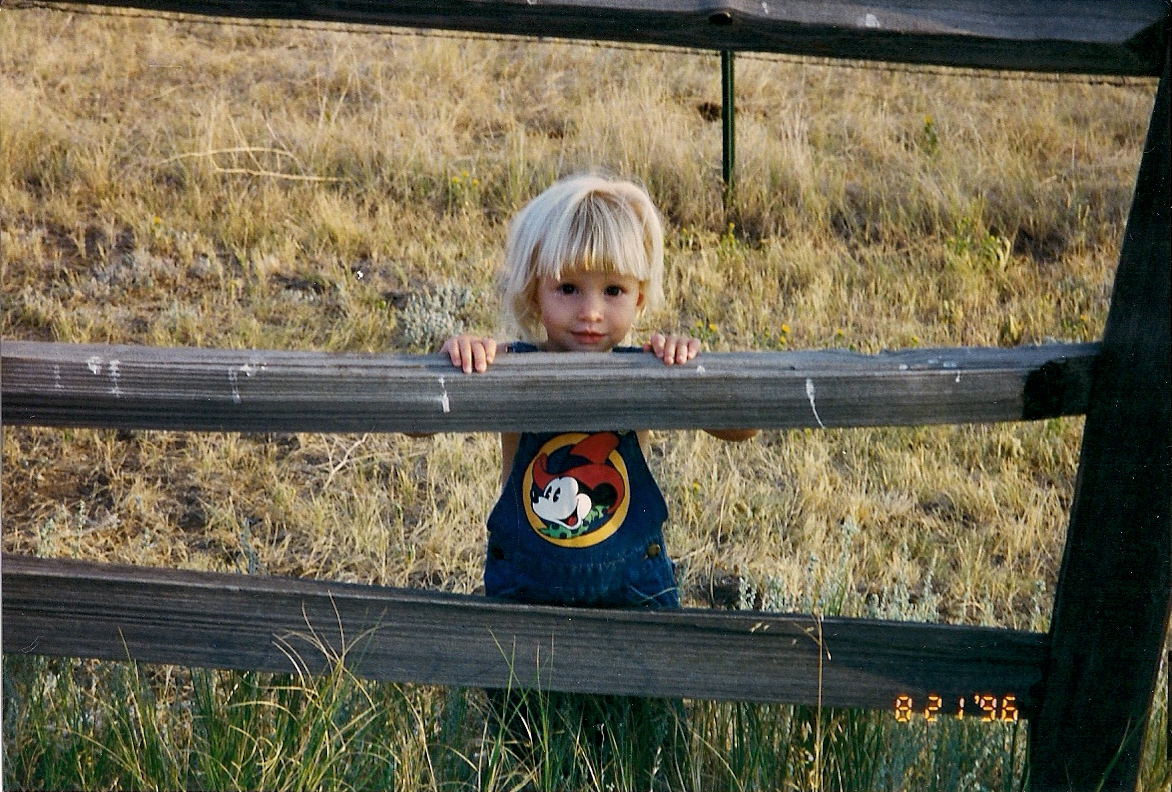
Me at a young age

Growing up we used to take many road trips as a family in the summer across the United States. As the youngest, I found myself in the back seat of the car, just along for the ride. To pass the time in these trips I spent time gazing at the windswept countryside wondering what was out there, or played games with my sisters wondering how much longer until our destination. Never would I have thought that these long road trips would represent the path that has led me to the Global Social Benefit fellowship. My childhood included many “road trip” like moments that created a sense of curiosity and being along for the ride. I was inquisitive because I wanted to try everything my siblings were doing or be part of their activities. But with three girls in the family and my oldest sister 6 years older than me, I had to learn to accommodate and “hop in the back seat of the car.” To this day I still embrace a curious independency and flexibility.

IMG_0976

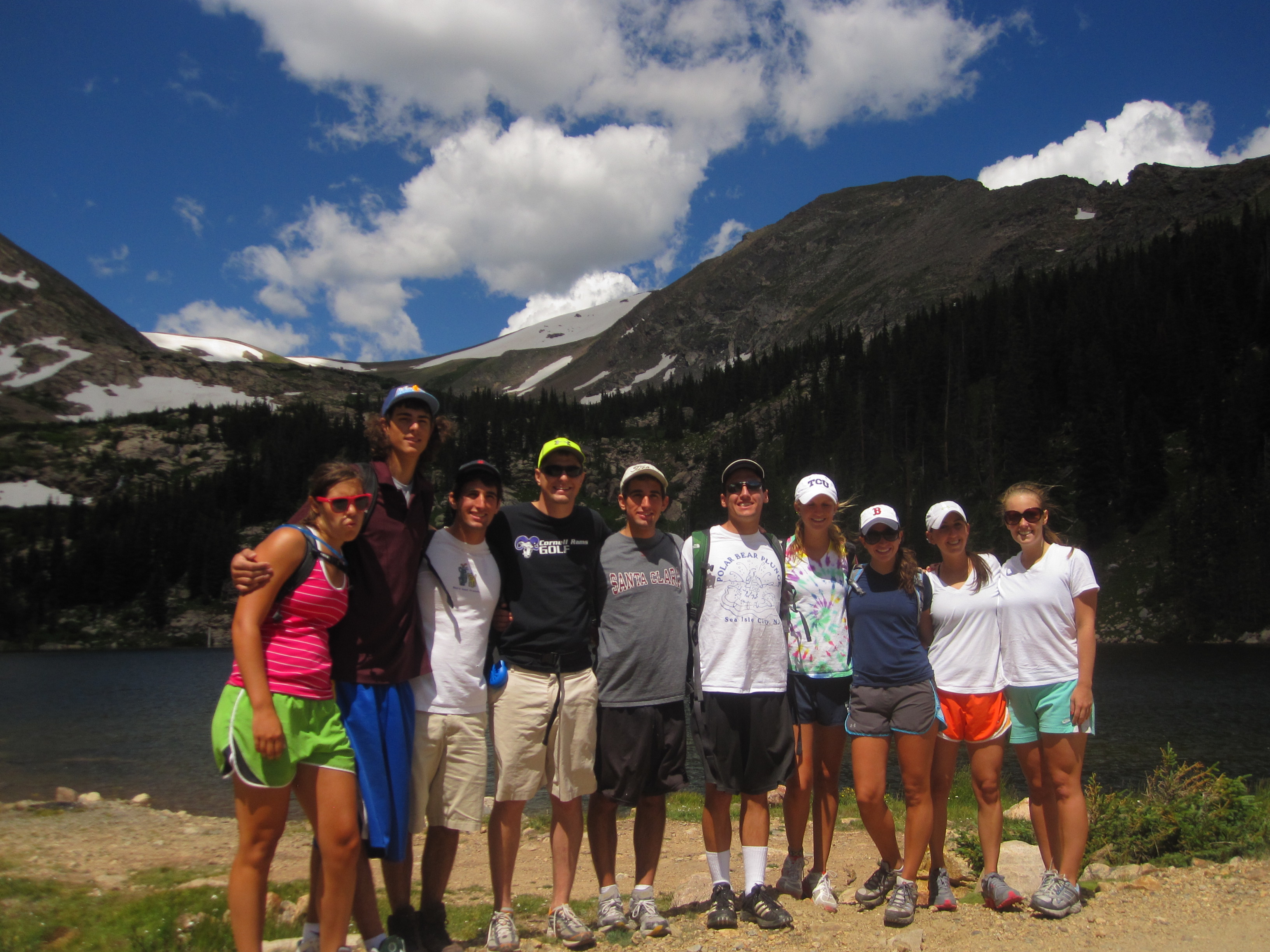
Some of my cousins and I hiking in Colorado

This theme of wanting to be independent started from an early age. At age three as we were frantically leaving for a family vacation, the confident three year old I was, I decided to pack my own suitcase, which only consisted of cowboy boots and a ballerina tutu. Good thing my mom did not trust a trying to be independent toddler and had packed a few other items for me. In addition, the Colorado wilderness also sparked my independence. One of my favorite parts about growing up in Colorado was the never-ending opportunity to be in nature. I spent my summers in the mountains hiking and exploring nature and in the winter I was skiing or snowboarding. There was something about realizing the bigger picture of nature that shaped how I perceive opportunities. I was not afraid to try a new hiking trail or lead my sisters down the ski slope. I enjoyed having the challenge of immersing myself in something new. This perception continued to influence my college decision to leave Colorado and come to Santa Clara and my academic path as well.

IMG_4652

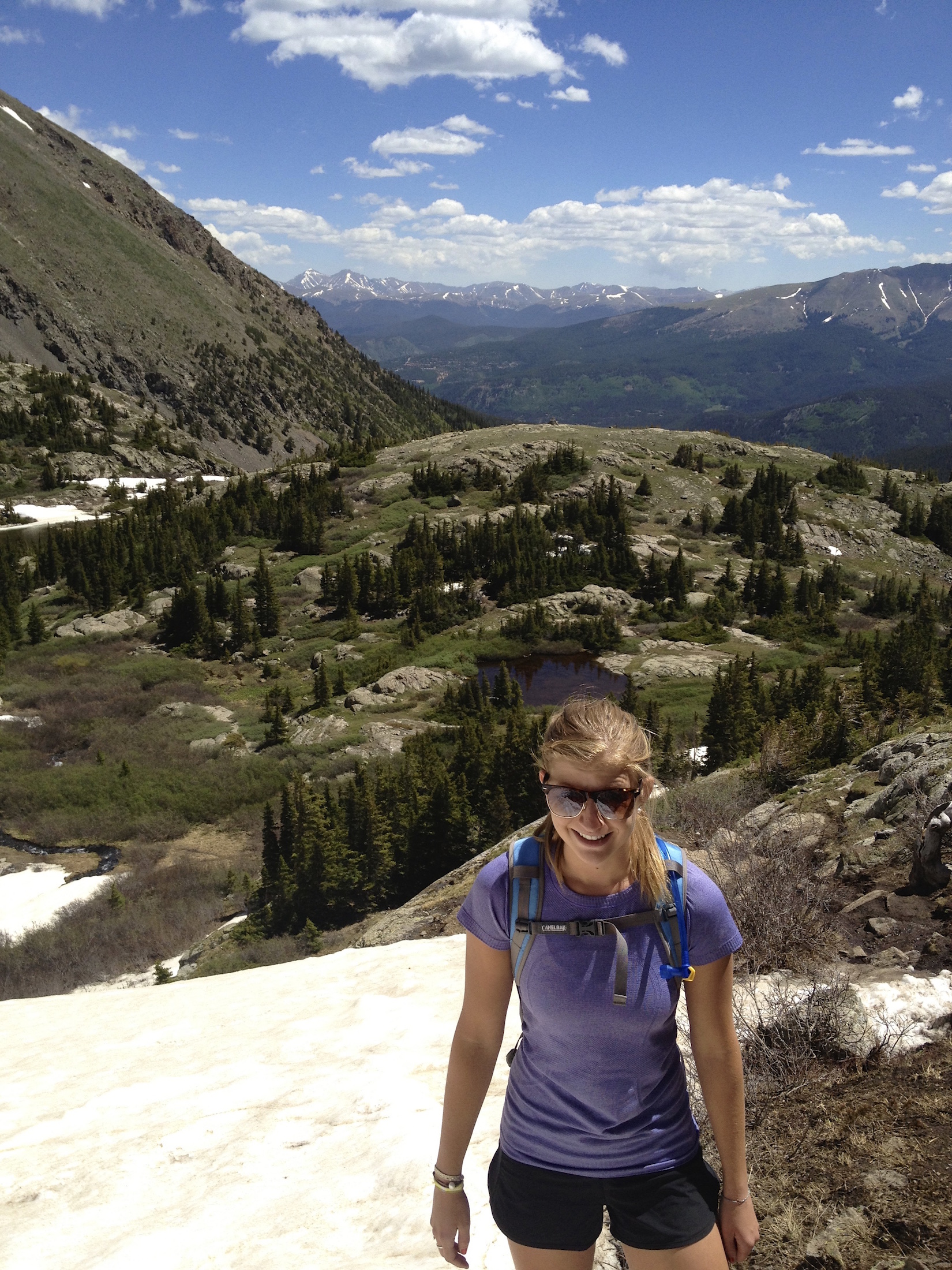
Hiking in Colorado

I am currently studying political science with an emphasis in international relations and Arabic Islamic Middle Eastern studies. I have been interested in international relations from a young age because I was constantly wondering why are people the way they are, and what makes them act the way they do. I was interested in conflict and how people solved problems and I wanted to be involved. With my sisters, I always found myself as the mediator or the “peace-keeper” in silly sibling disputes. I was used to observing them growing up and admiring them so I could to see both sides of a conflict. This family relation developed a desire to study political science and international relations. In addition, I liked the idea of foreign affairs because loved learning about other cultures and languages. I was blessed to experience many different cultures through traveling growing up, which inspired my desire to learn about other cultures.

When I arrived at Santa Clara I was searching of how to apply politics, foreign affairs and conflict resolution together in my academic path. During freshman year I had one comparative politics class with a professor who specialized in the Middle East, and I instantly became intrigued in the region. Through more courses and research on the region I started to become more invested in the region, my class schedules each quarter started to become Middle Eastern focused that by the middle of my sophomore year, I decided I wanted to spend the summer there to truly embrace the region, the culture, and the language. I felt as if to truly learn Arabic or about Arab culture I had to be there.

IMG_7932

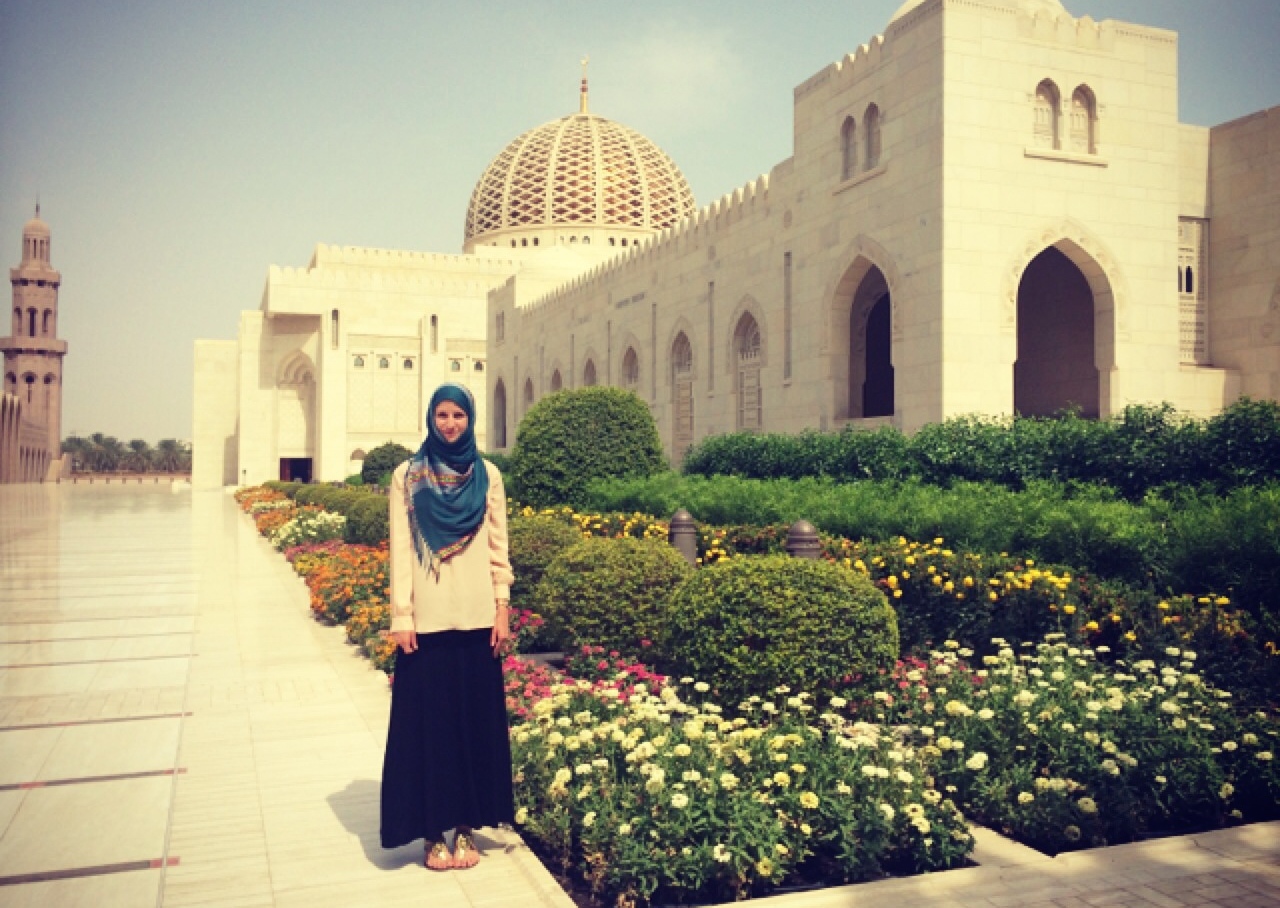
Observing tradition Omani dress at a Mosque

Again my curiosity was driving me to spend a summer in an Islamic country I had barely heard of, studying a language I had never spoken, with people I had never met. Therefore I embarked on a journey to Oman for the summer. I knew it was my inquisitive nature that led me to Oman, but never was I so thankful for the lessons I had learned in my childhood. In Oman, I had to be flexible and adaptable because I was immersed in a new culture that I was like nothing I had ever experienced. I wanted to truly embrace the traditions of Oman that I participated in Ramadan, wore a tradition hijab (headscarf), and actively learned some Arabic. These experiences were not what I expected but it was a continuation of learning to ride in a long road trip exploring each stop along the way.

So as this “road trip” continues I am extremely grateful for every lesson I have learned from my family. They have supported my curious nature and helped develop my love for the world. I will continue to wonder what the future holds but excited for the unpredictable. The next stop of this lifelong road trip is Uganda.

Categories: Uncategorized | Leave a comment

Hello world!

Welcome to Blogs@SCU Sites. This is your first post. Edit or delete it, then start blogging!

Categories: Uncategorized | 1 Comment