“The test of vocation is the love of the drudgery it involves.” Logan P. Smith

When I applied to the Global Social Benefit Fellowship, I was aware of many of the positive aspects it entailed – traveling abroad, an internship opportunity, foreign language acquisition. But, little did I know that it would provide me with such direction, self-awareness, and different perspectives of looking at the world. Social entrepreneurship reconciles many of the contradictions that pervaded my life such as my competitive nature with my sense of solidarity and my interest in the humanistic element of anthropology with the practicality and challenge of business. Social entrepreneurship is the epitome of an area in which I want a career. It is an ever-changing, high pressure field that requires creativity, versatility, and resiliency that I have developed throughout my life.

Impacting Measures

Going into the field, I tried to prepare myself to be ready for anything. I had never spent significant time in a developing country nor had I ever been in a situation where no one spoke English. The only expectations I had revolved around social entrepreneurship and its effectiveness. I envisioned it as the be-all and end-all solution to development and that the work we would be contributing would be immensely needed by Fundación Paraguaya.
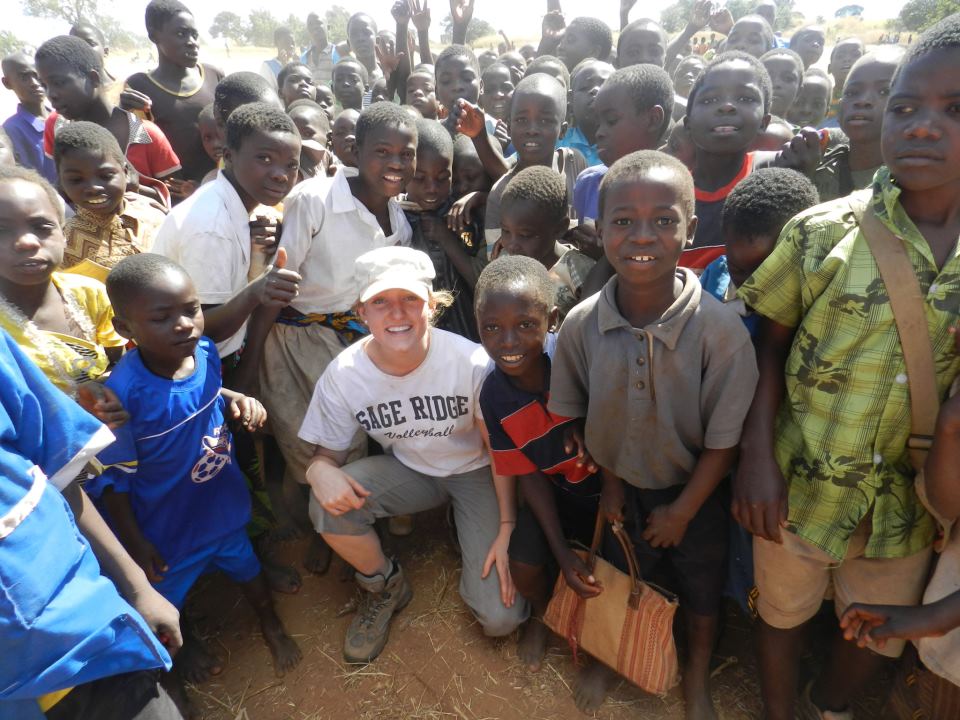
My sister’s fairy tale service trip

The first week in Paraguay it was obvious that our placement was not all that we hoped for. Our supervisor missed meetings; the organization had no idea where to place us; our respective offices did not give us any work to do; and there was no opportunity to talk to the women clients. Meanwhile, my sister, with whom I have no semblance of a competitive relationship, was building houses in Malawi for a week. Dramatically contrasting my experience, her service trip was surreal. The whole village greeted her like she was Angelina Jolie; her host family named their newest born child after her; and she flooded my Facebook newsfeed with dozens pictures with 20 children huddled around her.

However, as frustrating as these circumstances were, I found myself adapting quickly and having a Polyanna view of the world. I immediately started working on my own project that I thought would be helpful to the organization. The absence of demands from my manager and coworkers did not paralyze my ability to be creative and self-motivated. I embraced the chance to work on my Spanish skills even though that meant swallowing my pride and looking incompetent. My most embarrassing moment probably came when we were returning to Carapegua from a weekend trip, and I went to notify the bus driver that we needed to stop soon. With my cumbersome bags in hand, I stumbled to the front of the bus only to find the door locked. As I turned around, there were about two dozen Paraguayans staring at me with their eyes shouting “what a gringa.” As awkward as this situation was, it definitely gave me much needed humility and patience. In everyday challenges, I saw opportunities to grow, and I tried to make the most out of every experience, good or bad.
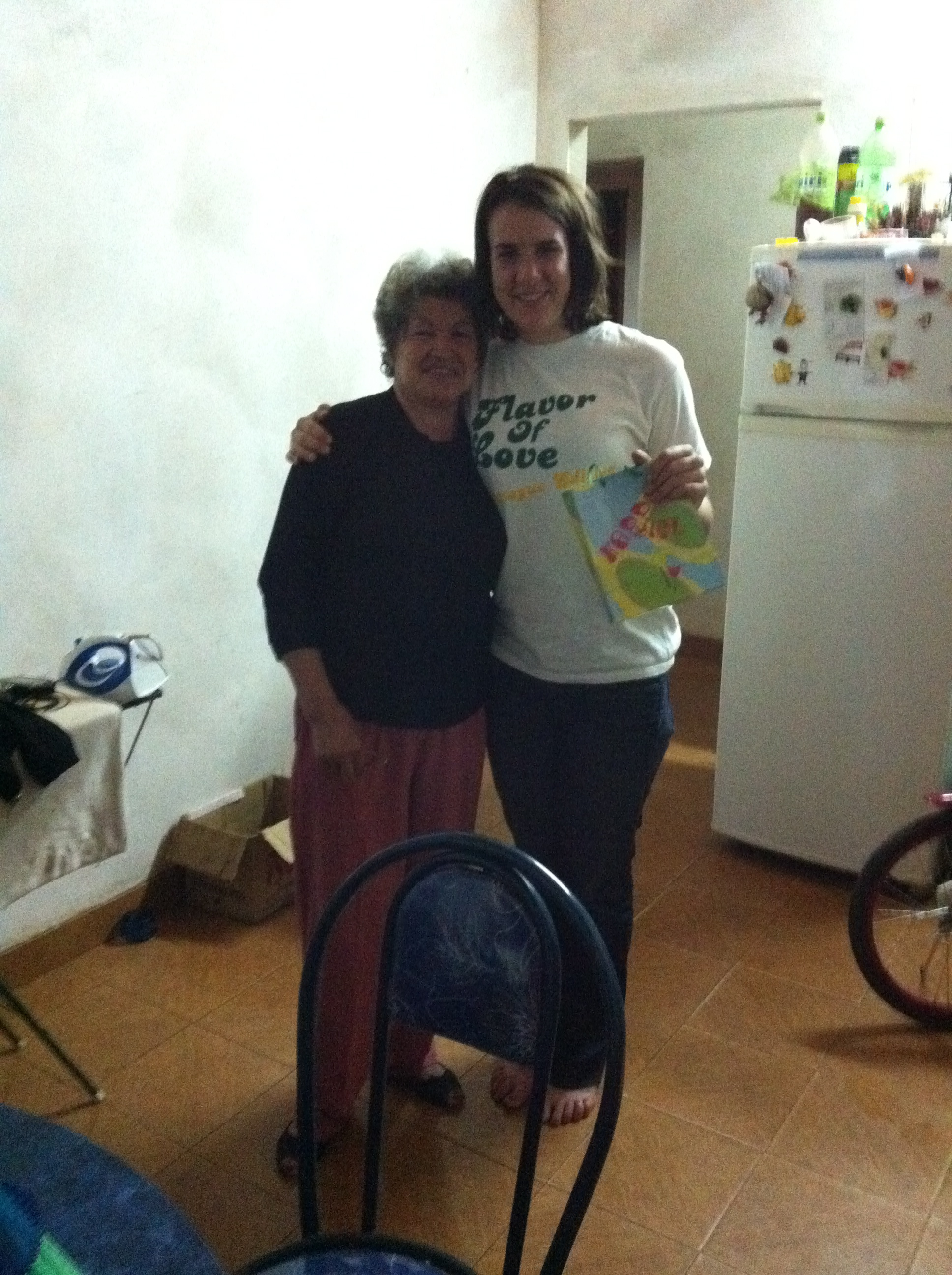
The immensely generous grandmother

The new experiences that come from seeing different places, trying strange foods, and connecting with people overshadowed the disappointment I felt about Fundación Paraguaya’s letdown of my expectations. The most rewarding and unexpected part of the experience was bonding with my host family and coworkers. The genuine kindness and thoughtfulness they exhibited every day made a lasting impression on me. I remember an encounter that we had with our host mother’s mother who we met twice and who was practically a stranger. On my last night, she came by and presented us with crafted table settings that took her a whole day to make. Although these people have far less than I do, they are content and find happiness in the simple things such as family gatherings and soccer games. Their generosity and contentment reminded me that people and relationships matter far more than the trivial matters I tend to stress over like how many points I will score or the academic distinctions I will attain.

Measuring Impact

Before the fellowship, I knew that I wanted to go to graduate school at either Oxford or Cambridge to get a master’s degree in development studies, but I did not really know what I would do with a such a degree until after I spent 5 weeks in Paraguay. In this regard, the fellowship not only drastically improved my CV and qualifications, but more importantly, I was able to write a personal statement that drew heavily on the experience and how it influenced my future aspirations.

In a strange way, the deficiencies I witnessed in microfinance actually inspired me to continue to work in the field of social entrepreneurship because I also saw huge potential and ways to maximize microfinance’s impact.  The hardships and dilemmas social entrepreneurship faces require the problem-solving and independent thinking that I enjoy and that challenges me.
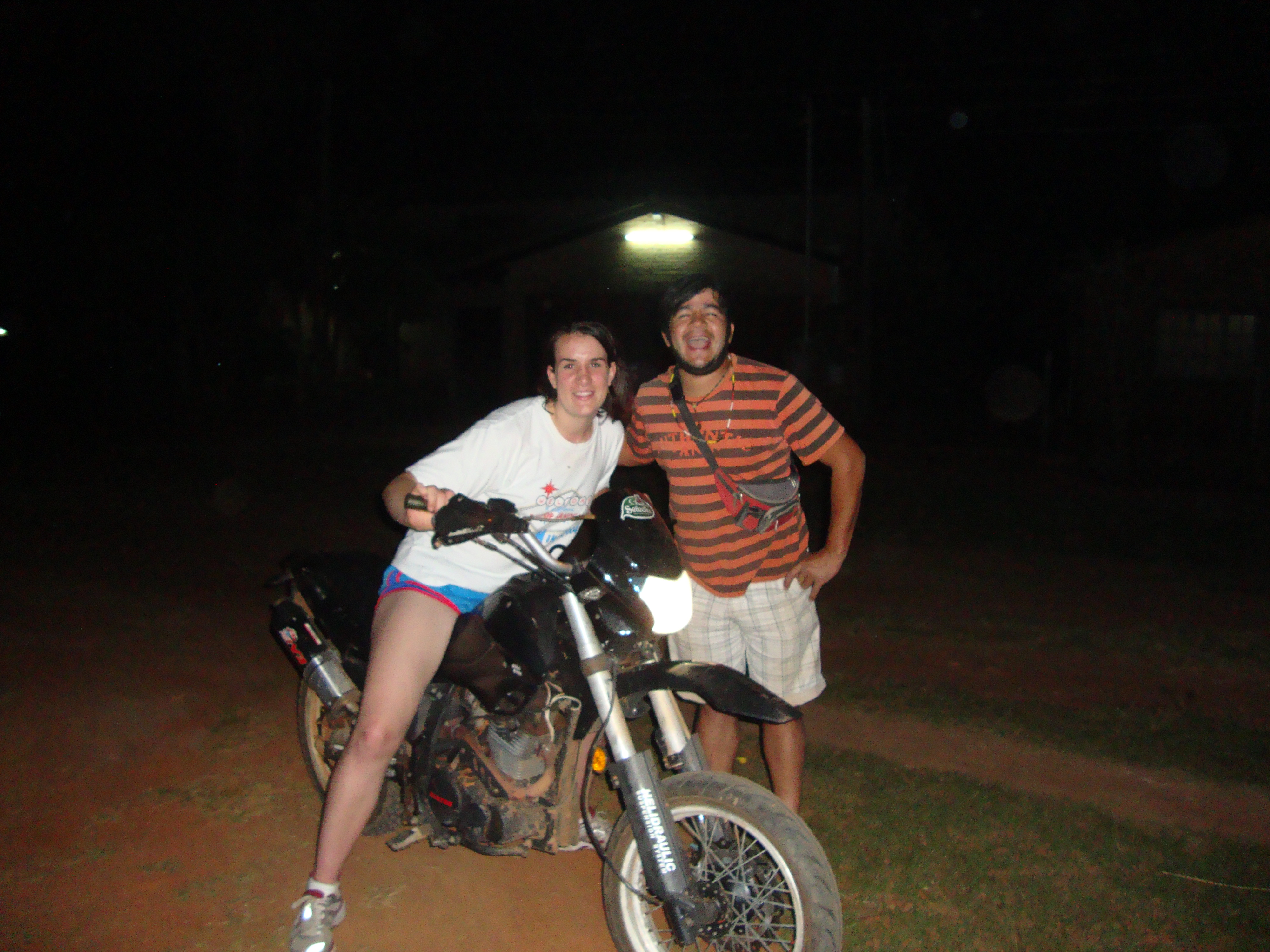
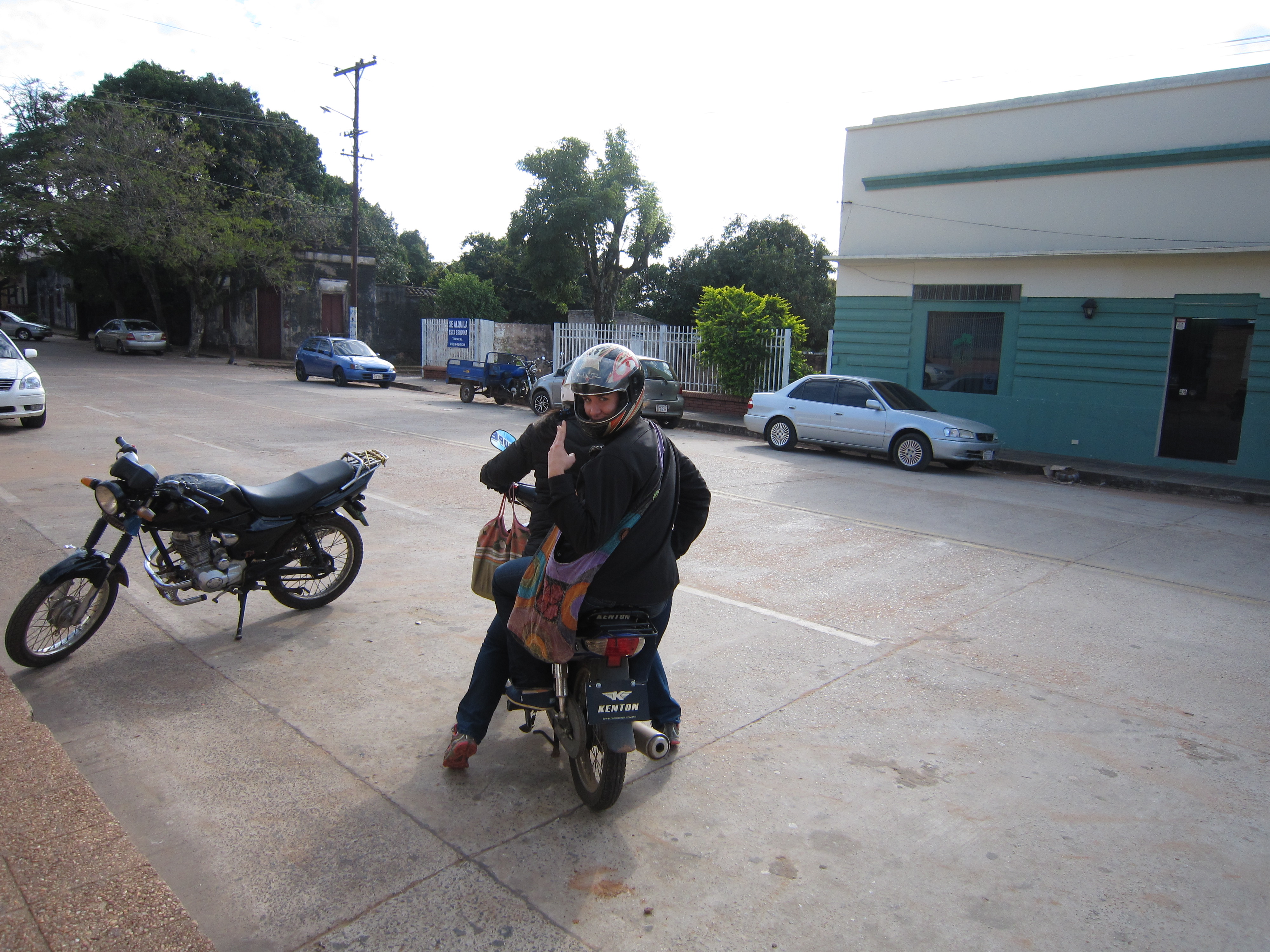
Bonding with the host dad and learning to drive a motorcycle

The class also offered much of the needed self-reflection I needed to determine why I am a good candidate for graduate school, how I will benefit from a development studies program, and what I uniquely have to offer. The Myers Briggs test that we took in class helped me to realize how I operate and why I tend to feel the way I do about things. I was aware of my strengths and weaknesses, but I never really took the time to explicitly list them and reflect on them. It also seemed to apply to my basketball life as well, explaining that I am an outcome-oriented person who tends to take things personally because I am so conscious of feelings. I was also able to draw from heroic leadership to understand what type of leader I am. From our reading, I realized one of the most important qualities is that I am constantly open to new experiences, looking for ways to improve my self and grow, and willing to empathize with others.
King’s College Cambridge

I honestly think that the holistic experience of the GSBI fellowship is why I was accepted into Cambridge. Without the credential the fellowship brings, the practical experience, and the self-reflection involved in class material, I do not think I would have been mature enough or prepared to have been accepted into such a prestigious university. Through reflection, I learned that in many ways my life has been pointing me toward a career in social entrepreneurship. When I sent in my application, I saw a connection between what seemed the disparate elements of my life. My basketball career developed the competiveness and work ethic needed to run a successful business. My ability to be comfortable in typically uncomfortable environments embodies the flexibility I need to have in the uncertain field of development. What seemed as a random assortment of interests and qualities finally fit together for me, and I saw that I had a cohesive life story.
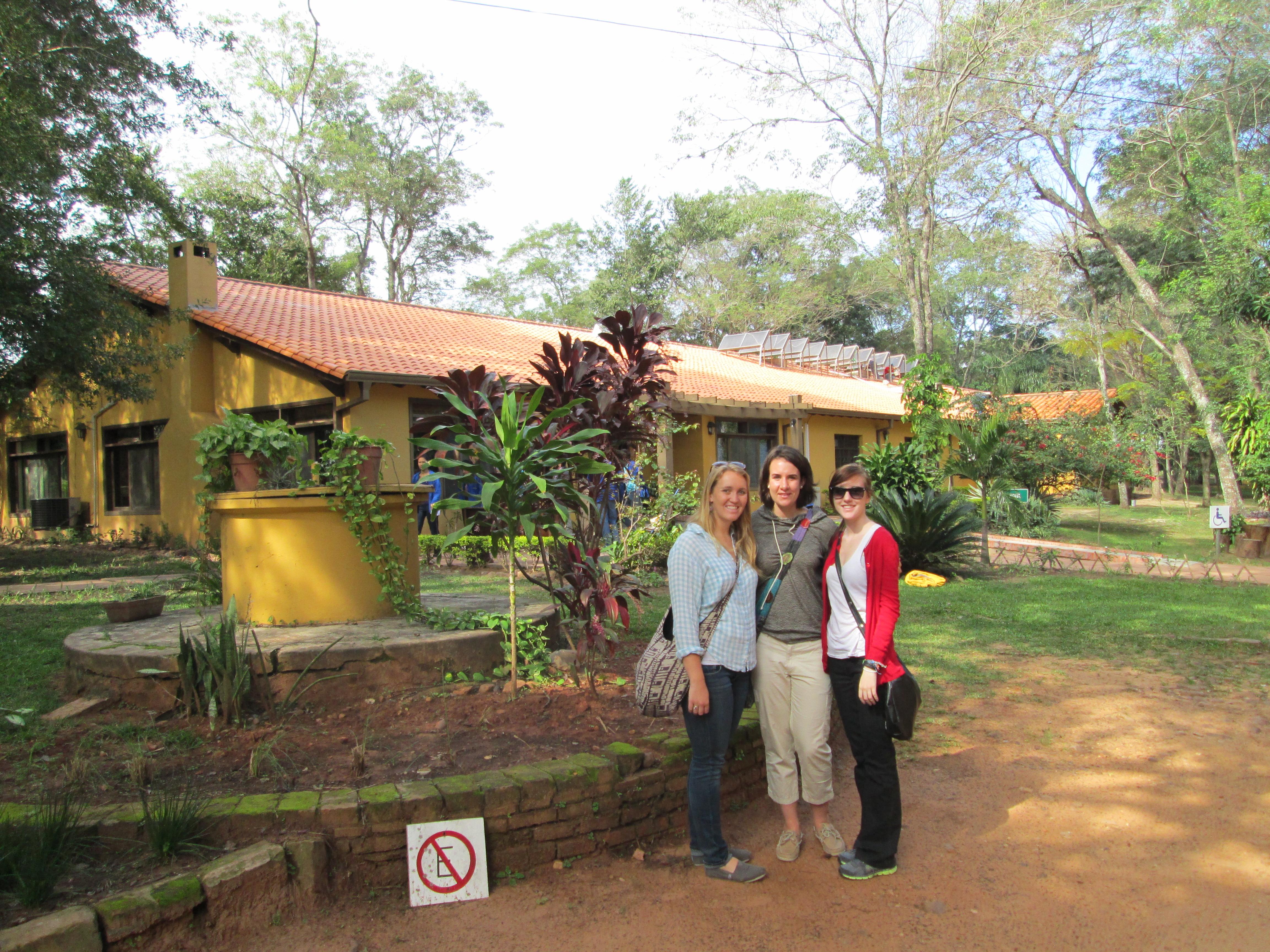
“I’m not afraid of storms, for I’m learning to sail my ship.” Aeschylus

Idealism

The picture-perfect agricultural school

When I first learned about social entrepreneurship, I was so entranced by the innovative ways social entrepreneurs were promoting social change and helping to improve millions of lives. Based on all the YouTube clips I watched, books I read, and enterprises I researched, I was convinced that social entrepreneurship is the most effective way of achieving sustainable solutions to eradicating poverty. I was impressed by the way it used the capitalistic system and open-market principles to generate economic development and how it differed with top-down policy and multilateral aid approaches that have historically characterized development.

I anticipated going to Paraguay and doing this groundbreaking work where I could see the positive transformation that my contributions were having. I felt that social entrepreneurship was a field that reconciled many of the paradoxes that pervaded my life such as my call to service and my competitive nature or the humanistic side of anthropology and the practicality of business. In a sense, my excitement and enthusiasm for social entrepreneurship blinded me from the difficulties and tribulations within the field.

Skepticism

The first week FP appeared to be the organization I envisioned. We toured the agricultural school which was very remarkable and seemingly well-functioning. We met with managers who emphasized the impact that FP was making and the potential of its 50 poverty indicators survey. Yet, it wasn’t until I was in the field and actually working in my placements that I began to observe the deficiencies in the organization.

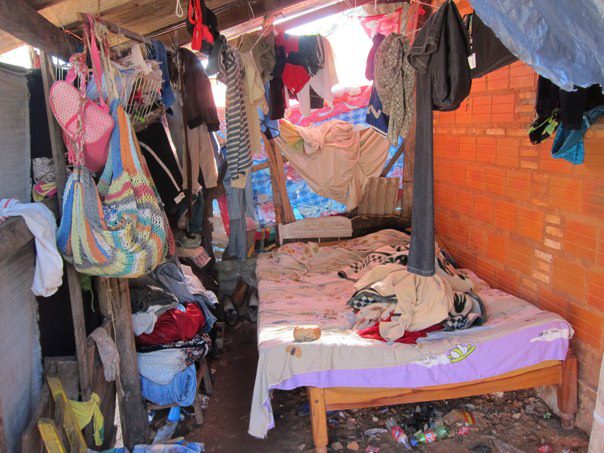
Living standards of women who were sometimes classified at the highest indicator

I was most disappointed with the highly praised 50 poverty indicators survey. The managers had told us that nearly all the women were surveyed and data archived. However, when we finally had access to the data, only 20 women for each assessor were surveyed and nearly all of them were at the green level (highest level) for almost every indicator. I also had the opportunity to see the survey administered and most of the time the assessor was either leading the question of not even asking one. In many ways, the 50 poverty indicators survey was a microcosm of the occasional disorganization and lack of effectiveness at FP that I struggled with the most.

At times, I felt that FP’s size diverted it from its mission. The organization stresses quantity where one assessor is responsible for over 800 women and is expected to recruit more. It is nearly impossible to supply the individual attention needed to help someone breach the poverty barrier when one person is responsible for so many people. The assessors didn’t even know the names of all of their clients. Rather than emphasizing quantity of loans given, I wanted FP to stress number of people lifted from poverty. In this regard, microfinance can become a one-size-fits all model of development that social entrepreneurship typically tries to avoid.

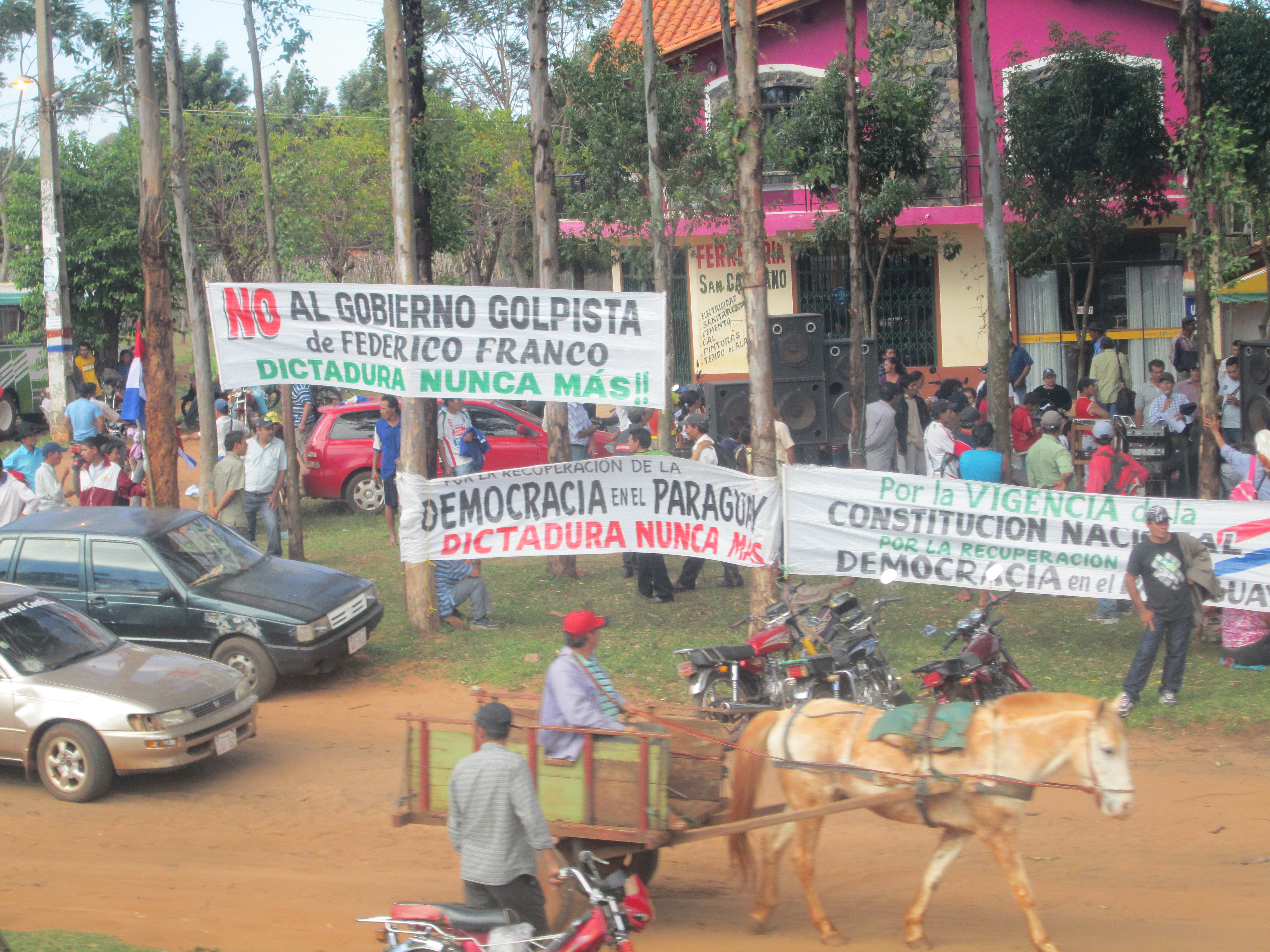
A protest regarding President Lugo’s impeachment and an example of the challenging nature of FP’s target market

However, faults of microfinance was not solely on the part of the microlenders but on the clients’ side as well. Women did not care about learning entrepreneurial skills so the assessor would usually not even administer the workshop assigned. Simply, these women just want to just get their money and go. I encountered the same question that Poor Economics posed- why are poor people spending precious money on televisions rather than on healthier food? When I asked an assessor, Margarita, this question, she actually had the sensible answer that food goes bad but TVs last, but this did not alleviate my frustrations that women were not fully utilizing these loans. Such experiences made me question if social entrepreneurship was truly the field for me.

Optimistic – Realism

After some self-reflection, I realized that my expectations for FP were unrealistically high and that I was naïve in thinking that FP did not have its weaknesses. I tried to look at things from FP’s point of view and began understanding why they do certain things in specific ways. For example, they pump numbers and put so much emphasis on quantity because they depend so much on outside funding. After my critical analysis, I actually had a greater appreciation for FP because I understood more clearly what they are up against. Not only do they face the normal, everyday pressures of all companies, but they operate in a developing country with fewer resources and different cultural standards. On top of that, their organization targets some of the most underprivileged people in the world.

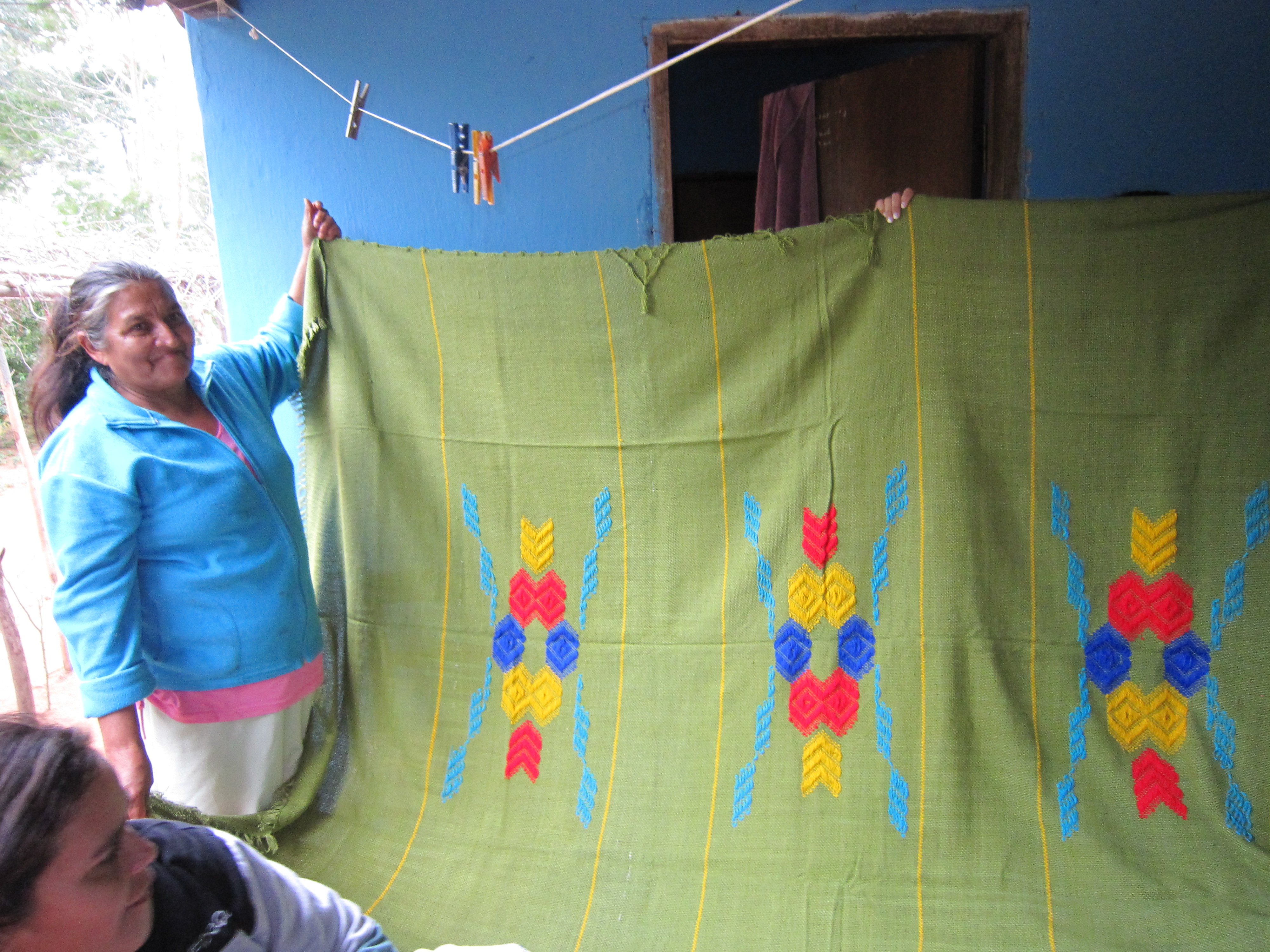
Craftswoman who FP was connecting to more profitable markets

One of the most valuable conversations I had occurred during the last week of my internship when I was left alone with a woman who was receiving microloans. I asked this woman if FP was helpful, and she unhesitatingly replied, “Yes, in many ways.” While this response was short, it had a great impact on me because it helped me grasp that although the positive effects of microfinance may not be readily observable or as grand as everyone hopes, it does not mean that microfinance is wholly ineffective. Microfinance still empowers women and helps them to participate in the public sphere which exposes them to ideas like the importance of education. Also, FP still provides services that are otherwise unattainable to these women. For instance, I met with women who were selling their woven crafts to FP at a discounted price, and FP would give these crafts to other women who could sell these goods in towns where the market was not as flooded. If it weren’t for FP’s scale and size, the women who made the goods would have to compete with hundreds of other distributors in which case they would constantly have to lower their prices, and the women who sell the goods would not have a stable source of income.

Riding on and embracing opportunity

In the end, the challenges I faced actually fueled a burning interest for me to work through the difficulties I experienced at FP, and it has confirmed my desire to start my own social enterprise someday. I think that microfinance has a lot of potential, and I want to come up with solutions such as incentivizing saving so that more women and communities are lifted from poverty. The experience was one of the most trying and enriching experiences of my life. My patience was tested; I grappled with the insecurities of not knowing the language; I felt useless at times. However, I believe that people learn more from failures than they do from successes. I have not changed my values or goals, but I am more critical and cerebral than ever before. My placement may have not been exactly what I wanted, but it was what I needed.